The Dangers of Unprescribed Antibiotics: Beyond Resistance, What Are the Hidden Health Threats and How Can We Solve Them?

Antibiotics Without a Prescription: Personal Health Threats Beyond Resistance and How to Escape Them
Antibiotic misuse can become a dangerous habit that harms the body 'unbeknownst to you.' Taking antibiotics without a doctor's prescription is not merely a culprit in fostering antibiotic-resistant bacteria; it is a serious issue that directly threatens individual health, leading to worsened gut health, weakened immunity, and an increased risk of certain diseases. This article delves into the reasons behind incorrect antibiotic use, diagnoses the specific additional damage inflicted upon our bodies, and proposes practical solutions to break free from this habit.
To understand antibiotics correctly, it's crucial to distinguish between bacteria and viruses. Antibiotics are effective drugs for treating bacterial infections but have no effect on viral illnesses. Most acute respiratory diseases, such as the common cold and flu, are caused by viruses. Therefore, taking antibiotics for these conditions is not only meaningless but also harmful. Antibiotic misuse encompasses taking them arbitrarily without a doctor's prescription, failing to adhere to prescribed dosage, duration, and frequency, or using them for viral infections.
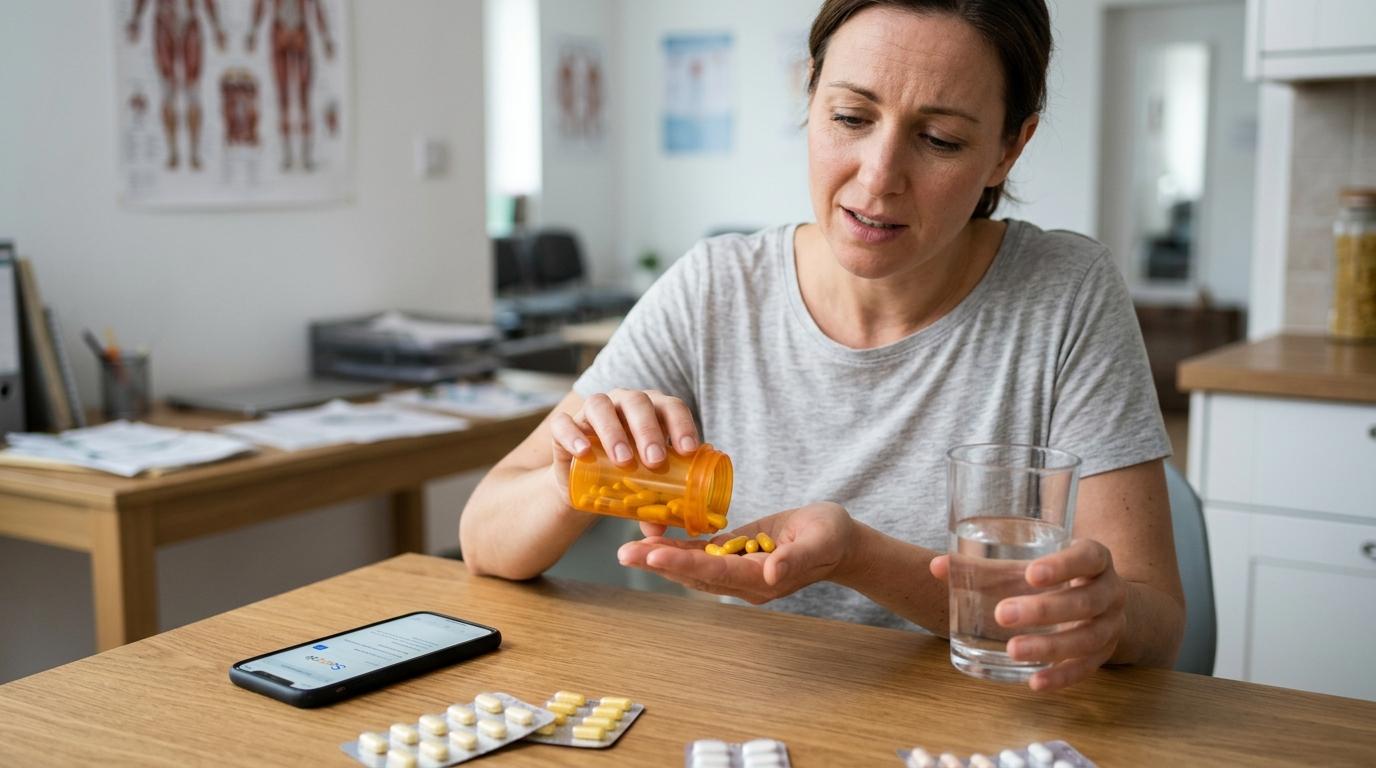
Examining the reasons for self-prescribing antibiotics, many people tend to make their own judgments based on past personal experiences where symptoms improved rapidly after taking antibiotics. Furthermore, the desire for immediate symptom relief or the inconvenience of visiting a medical institution leads some to hastily reach for antibiotics. In some cases, individuals take leftover medications, which are relatively easy to obtain from pharmacies or given by acquaintances.
Complex Health Threats Beyond 'Resistance' Caused by Antibiotic Misuse
The disruption of the gut microbiome ecosystem due to antibiotic use can lead to conditions ranging from indigestion to chronic diseases. This is because antibiotics indiscriminately destroy not only disease-causing bacteria but also beneficial gut flora. The gut microbiota plays a critical role in bodily functions such as digestion, nutrient absorption, and immune system regulation. When this normal flora is destroyed, it can cause immediate gastrointestinal symptoms like indigestion, diarrhea, and constipation. Moreover, a reduction in beneficial bacteria is known to increase the risk of weakened immune function, allergic diseases, obesity, and even autoimmune disorders. There is also a risk of opportunistic pathogens like Clostridioides difficile overgrowing and causing severe enteritis.
Additionally, immune system dysregulation and functional decline can create a body environment more susceptible to infections. The decrease in essential gut microbes disrupts the environment crucial for the development and regulation of immune cells. Considering that over 70% of our body's immune system is concentrated in the gut, any imbalance here inevitably leads to a decline in overall immune function. This weakens the body's resistance to bacteria and viruses, making individuals more prone to other infections or causing slower recovery once infected. Consequently, antibiotic misuse creates a vicious cycle that weakens defenses against infections.
The increased risk of certain diseases and the possibility of unexpected side effects should also be considered. Studies consistently show that gut dysbiosis can affect the body's metabolic activities, increasing the risk of metabolic diseases such as obesity and type 2 diabetes. Antibiotics can also cause various unpredictable side effects depending on the individual, which may include allergic reactions, liver dysfunction, and kidney damage. Unnecessary consumption simply increases the frequency of exposure to these risks. Some antibiotics may also have unexpected side effects, affecting the nervous or muscular systems.
Practical Solutions to Correct the Habit of 'Self-Prescribing' Antibiotics
First and foremost, it is essential to stop the dangerous practice of self-diagnosing symptoms and arbitrarily taking antibiotics, and to obtain accurate diagnoses solely from a doctor. Symptoms such as fever, cough, and pain can arise from various causes beyond bacterial infections, including viral infections and inflammation. Therefore, when symptoms appear, it is imperative to seek medical attention to determine the exact cause and to have a medical professional assess whether antibiotics are necessary. This is the most basic defense for protecting one's health.
For prescribed antibiotics, it is 'absolutely essential' to adhere to the prescribed regimen. If an antibiotic has been prescribed by a doctor, do not arbitrarily stop taking it, even if symptoms seem to improve significantly. Antibiotics must be taken consistently for the prescribed duration to completely eradicate all bacteria that have invaded the body. Stopping prematurely can allow surviving bacteria to develop resistance, leading to recurrence or a more difficult-to-treat condition. Furthermore, adhering strictly to the prescribed dosage and timing maximizes the drug's efficacy and minimizes the risk of resistance development. It is advisable not to save leftover antibiotics for future use but to dispose of them properly according to regulations.
Efforts to strengthen immunity and build the body's natural defense system through healthy lifestyle habits in daily life should also be pursued. One of the fundamental solutions to reduce antibiotic misuse is to strengthen our body's immunity through healthy lifestyle habits. A balanced diet, sufficient sleep, and regular exercise build a robust natural defense system, thereby lowering the probability of contracting infectious diseases. In particular, increasing the intake of fermented foods rich in probiotics and dietary fiber to promote gut health helps proliferate beneficial gut bacteria and contributes to overall health improvement. This enhances resistance to external pathogens, naturally reducing reliance on antibiotics.
Finally, social awareness needs to be improved through acquiring correct information about antibiotic use and enhancing education. It is crucial for the public to deeply understand the exact role of antibiotics and the risks of misuse. To this end, public health authorities and the medical community must continuously strengthen public awareness campaigns and education regarding the severity of antibiotic resistance issues, as well as their negative impact on individual health. By including relevant content in school curricula and ensuring doctors and pharmacists provide thorough explanations and consultations to patients in clinical settings, the habit of 'self-prescribing' antibiotics can be gradually improved, and a healthy healthcare culture can be established.