Gwangju-Jeonnam Administrative Merger: Discussion on Structuring 'Citizen Sovereignty'

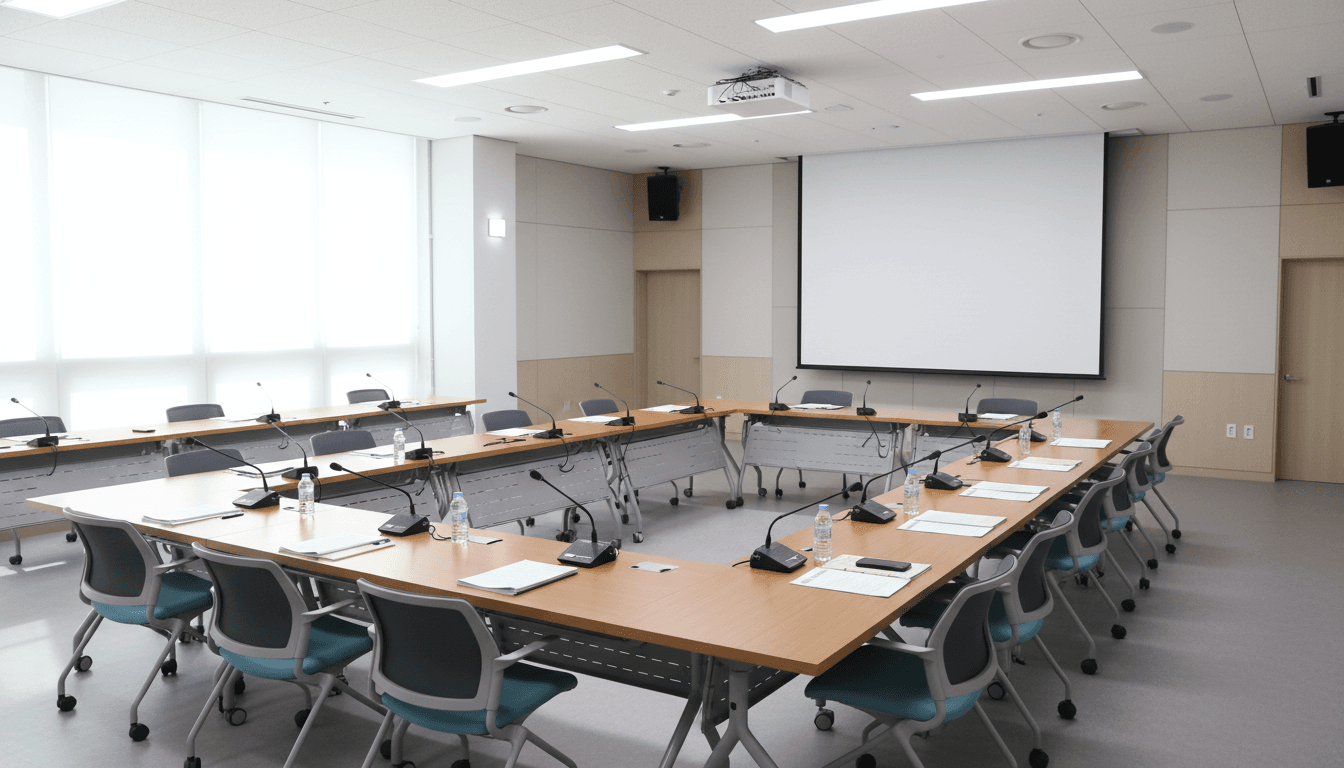
Following the administrative integration of Gwangju and Jeonnam, discussions have begun on designing a 'citizen sovereignty power structure' that guarantees citizens' rights and participation. This is considered a task that goes beyond simply merging administrative districts, aiming to lead the future of the integrated region with citizens at the center.
On April 29, 2026, a forum was held at Jeonil Building 245 in Dong-gu, Gwangju. Ki Woo-sik, Secretary-General of the Gwangju Civic Group Council, pointed out the limitations of political monopoly by specific parties and the strengthening of parliamentary power in light of the political realities of Gwangju and Jeonnam. Secretary-General Ki evaluated the citizen sovereignty system during the 8th popularly elected term as 'citizen sovereignty captured by administration' and argued for a system that surpasses this in the 9th term.
Secretary-General Ki proposed the establishment of a provisional 'Citizen Hall' and a 'Civic Affairs Department' as independent deliberative administrative bodies, operated with open positions, in terms of organization. For the budget, he suggested investing 85 billion to 90 billion won, equivalent to 5% of the total general budget, as participatory budget. In terms of authority, he proposed strengthening policy proposal, decision-making, and execution powers, and improving the administrative power's policy acceptance rate as solutions.
Kim Seok, steering committee member of the Jeonnam Civil Society Alliance, proposed the real-time disclosure of policy processes and the introduction of a data-based citizen monitoring system to ensure information accessibility and transparency. Alternatives suggested included providing administrative information through APIs and establishing a budget monitoring platform.