Attorney Choi Je-il's Core Analysis of Divorce Property Division

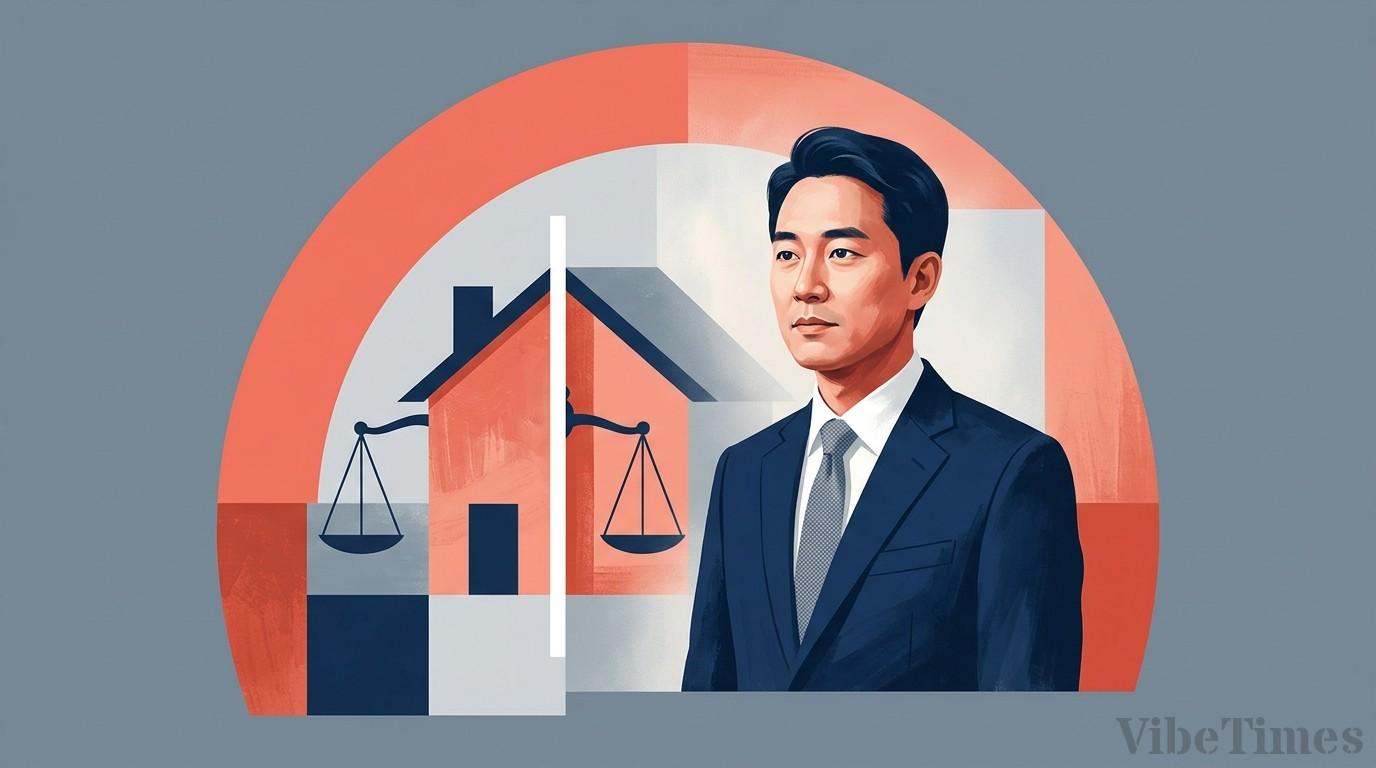
Divorce Property Division: Attorney Choi Je-il's Key Strategy That Determines Victory or Defeat
Property division in divorce goes beyond a mere financial distribution; it is a process of receiving fair recognition for the economic efforts and sacrifices the couple has built together. Attorney Choi Je-il particularly emphasizes that 'clear definition of the scope of marital property' and 'objective proof of contribution' are paramount for successful property division. The success or failure of a divorce lawsuit hinges on how effectively these two core elements are identified and legally proven.
1. Marital Property: Accurately Grasp Its Scope
1-1. Definition of 'Marital Property': Comprehensive Inclusion of All Assets Acquired During Marriage
The first step in divorce property division is clearly defining the scope of 'marital property.' Legally, this includes all positive and negative assets acquired by one or both spouses during the marriage through their cooperation. This encompasses not only real estate, savings, stocks, cars, and business stakes but also debts, which can be subject to division. The critical point is that even if property is registered under only one spouse's name, it is highly likely to be recognized as marital property if it was substantially formed, maintained, or increased through contributions to the couple's joint life. Attorney Choi Je-il prioritizes meticulously investigating all of the client's assets in the early stages of a case to maximize the list of marital property.
1-2. Exceptional Recognition of Separate Property: Exploring Potential for Classification as Marital Property Through 'Contribution'
In principle, property owned before marriage or received as inheritance or gift during marriage is classified as 'separate property' and excluded from property division. However, Attorney Choi Je-il explains that even such separate property can be recognized as marital property if the other spouse actively contributed to its maintenance or increase, or if its value was preserved or enhanced through the cooperation of both parties. Examples include situations where a spouse devoted themselves to household chores, childcare, or supported the other's economic activities to secure business funds, or directly participated in the management and maintenance of separate property, thereby increasing its economic value. It is crucial to actively assert and prove these exceptional cases.
2. Key to Determining Property Division Ratio: 'Contribution' and 'Post-Divorce Self-Sufficiency'
2-1. Multi-faceted Approach to Contribution Assessment: Encompassing Title, Income, and Household Labor
The most fundamental criterion for determining the property division ratio is 'each party's contribution to the formation of marital property.' Courts do not solely base their decisions on property titles or current income levels but comprehensively assess overall contributions during the marriage. Attorney Choi Je-il stresses that non-economic activities, such as a stay-at-home spouse dedicating themselves to the household and childcare to support the other's economic activities, or sacrificing one's own career for the partner's professional development, can also be recognized as significant contributions. To prove one's contribution, preparation of objective and concrete data such as household ledgers, receipts, transaction records, family testimonies, and proof of career interruption is essential.
2-2. Consideration of 'Post-Divorce Self-Sufficiency': The Court's Practical Judgment for a Stable Life
When determining the property division ratio, courts carefully consider all circumstances, including the parties' age, occupation, health status, financial situation, and, most importantly, their ability to become economically self-sufficient after the divorce. A higher property division ratio may be granted to a spouse who has no or very low income, is elderly, or faces difficulties in economic activity due to health reasons. Attorney Choi Je-il meticulously analyzes the client's specific situation from the perspective of 'ability to maintain life post-divorce' to establish legal strategies for achieving a fair division with the other party. This is to fulfill the practical purpose of the property division system, which is to help each individual lead a stable life after divorce, beyond just dividing assets.
3. Practical Application of Property Division: Winning Strategies Through Legal Assistance
3-1. Lawyer Fees and Costs: A Rational Approach Based on Case Complexity
Lawyer fees in divorce proceedings vary depending on the complexity of the case, the number of issues, the duration of the litigation, the lawyer's experience, and region. Generally, fees consist of retainer fees and success fees, and cases with many points of contention such as property division, alimony, and child custody may incur higher costs. Attorney Choi Je-il stated that he strives to provide transparent guidance on estimated costs, litigation strategies, and anticipated property division outcomes during initial consultations, considering the client's financial burden, and to establish a fee structure at the most reasonable level possible. For clients with limited financial resources, options such as reducing costs through litigation structure adjustments or utilizing the Korea Legal Aid Corporation can be explored together.
3-2. Securing Decisive Evidence and Legal Arguments: Practical Procedures to Increase Winning Potential
The success or failure of a property division lawsuit depends on effective evidence acquisition and clear legal arguments. Attorney Choi Je-il emphasizes securing all possible evidence that can prove marital property, such as bank transaction records, real estate register copies, vehicle registration certificates, investment contracts, household ledgers, call records, text messages, and testimony from the spouse or third parties. Furthermore, beyond simply listing assets, it is important to construct specific and logical legal arguments detailing how each asset was formed through the couple's cooperation, the extent of one's own contribution, and how the other party's contribution should be evaluated. By systematically proceeding through these complex processes with the professional assistance of a lawyer, the possibility of achieving the optimal outcome desired by the client can be increased.

쿠팡 파트너스 활동의 일환으로 일정 수수료를 제공받습니다