Crispy Dureup Pancakes: Secrets to Achieving Perfect Crunch Without Specialty Flour

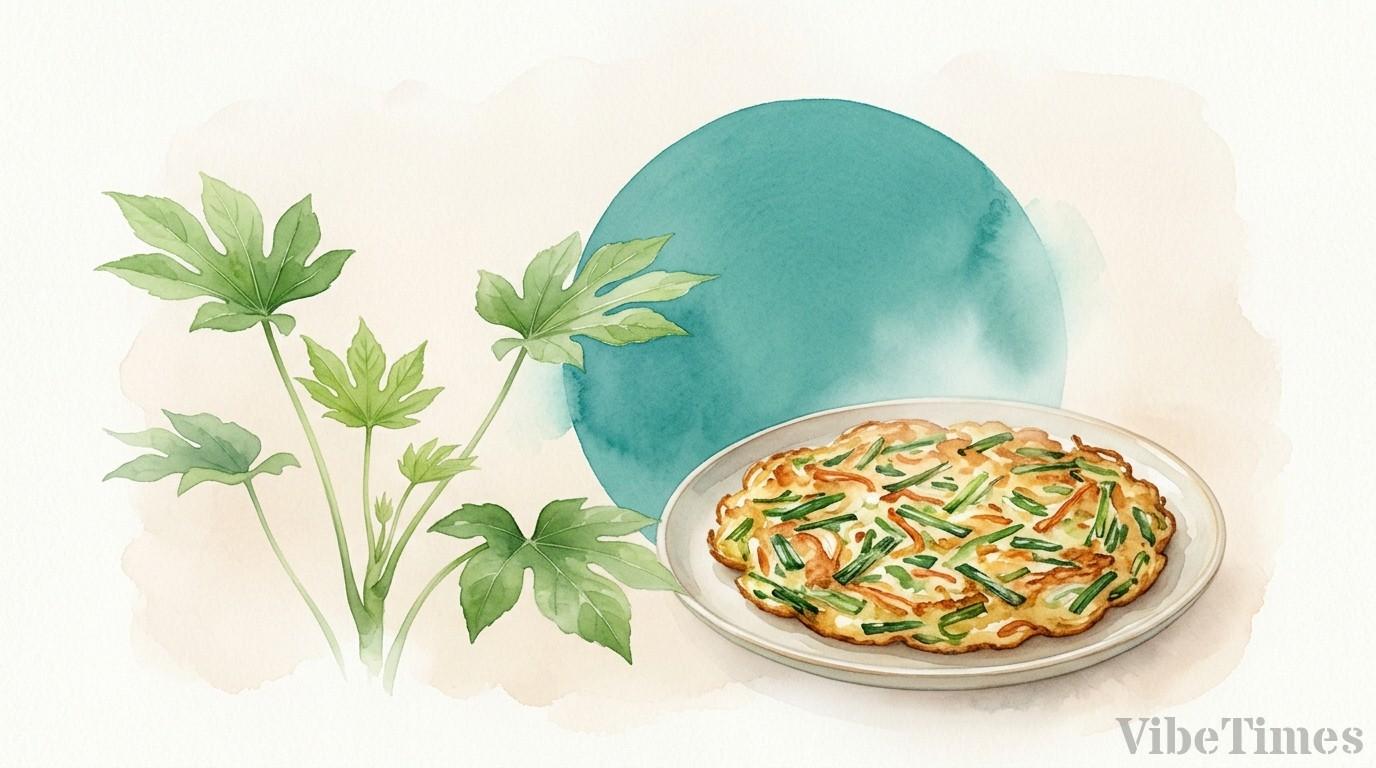
The allure of dureup pancakes, with their crispy exterior and moist interior, lies in their 'crispiness,' a secret that can be unlocked using common household ingredients without the need for special pre-mixed flours.
1. The Science of Pancake 'Crispiness': A Harmony of Ingredients, Temperature, and Technique
The crispiness experienced in pancakes is more than just a cooking method; it's a complex result of ingredient properties, heat transfer, and the chemical reactions within the batter. Specifically, the fiber and moisture content of dureup directly influence the degree of crispiness, making understanding these factors the first step to successful pancake making. Grasping these scientific principles is crucial for achieving a harmonious texture between the exterior and interior.
1-1. The Roles of Wheat Flour, Glutinous Rice Flour, and Starch: Laying the Foundation for Crispiness
The reason crispiness can be achieved without specialty flour is thanks to the hidden capabilities of familiar, basic flours. Wheat flour provides chewiness through gluten formation, but as moisture evaporates during frying, it forms the basis for a crispy texture. Glutinous rice flour, even in smaller amounts, imparts excellent crispiness and chewiness simultaneously, while improving the adhesion of the batter. Starches (like potato, corn, or tapioca) have a high moisture absorption rate, making the batter thinner and allowing it to spread thinly. When heated, they rapidly evaporate moisture, maximizing a crispy, fried-like texture. Adjusting the ratio of these ingredients is key to creating crispy pancakes without specialty flour.
1-2. Batter Consistency and 'Oil Temperature' - The Golden Ratio: A Decisive Factor Against Soggy Pancakes
One of the biggest culprits behind soggy pancakes is frying them at too low an oil temperature for too long. The oil must be hot enough for the moisture on the batter's surface to evaporate quickly, forming a crispy coating similar to tempura. Maintaining a temperature of approximately 170-180°C, where bubbles immediately form and cooking begins upon adding ingredients to the oil, is crucial. Furthermore, a 'thin' batter consistency is preferable. Too thick a batter will result in a thick pancake that takes longer to cook through, making it prone to sogginess and difficult to spread thinly, thus reducing crispiness. Using plenty of water or broth to achieve a pourable, thin consistency like tempura batter will result in a thin, even pancake that enhances crispiness.
1-3. Dureup Preparation and Moisture Removal: Water Management Dictates Success or Failure of Crispiness
To preserve dureup's unique flavor and texture, it's often blanched or used raw. The resulting moisture can be a major enemy of pancake crispiness. It's important to trim only the amount of dureup needed and, crucially, to **remove moisture completely**. If blanched, rinse dureup in cold water, squeeze out excess water, and then thoroughly pat it dry with paper towels. Raw dureup should also be washed under running water and then thoroughly dried. It's also better to coat the dureup thinly with batter before placing it in the pan, or to carefully add more batter just before frying, rather than mixing dureup into the batter and letting it sit. This minimizes the risk of dureup's own moisture thinning the batter and compromising crispiness.
2. Specialty Flour Alternative Solutions: Homemade Recipes for 'Ultimate Crispiness'
Commercially sold pancake or tempura flours contain pre-mixed ingredients like rice flour, starch, and leavening agents designed for crispiness, making them easy to use. However, these effects can be fully achieved with common household ingredients, and sometimes allow for more refined flavor control. The key is to avoid using only wheat flour and to properly combine other ingredients that enhance crispiness.
2-1. Exploring the Golden Ratio of 'Wheat Flour + Glutinous Rice Flour + Starch'
The most common and effective combination involves using wheat flour as a base and adding glutinous rice flour and starch. For instance, a ratio of 7 parts wheat flour, 2 parts glutinous rice flour, and 1 part starch balances chewiness, crispiness, and a savory flavor. Too much glutinous rice flour can make it too chewy like rice cake, and too much starch can make it too light like tempura, not harmonizing well with dureup's texture. Start with approximately 1 cup of wheat flour, 2-3 tablespoons of glutinous rice flour, and 1-2 tablespoons of starch, and adjust the amounts of starch or glutinous rice flour to your preference. The role of **starch** is significant in replicating the crispiness of tempura flour, so the tip to mix in tempura flour highlights the importance of using starch. Experts actually recommend increasing the proportion of starch or rice flour, applying the principles of tempura flour.
2-2. Utilizing 'Vinegar' and 'Beer': Maximizing Crispiness Through Batter Transformation
Adding a small amount of vinegar to the batter can help inhibit gluten formation, leading to a softer and crispier texture. The acidic component softens the batter, promoting moisture evaporation during frying. Additionally, using beer instead of water interferes with gluten formation due to its carbonation, and the fermentation ingredients in beer create richer bubbles during frying, adding crispiness. Beer also adds a unique flavor, so opt for plain water if you prefer a clean taste, or beer for a deeper flavor. Using sparkling water can achieve similar results.
2-3. Reinterpreting the Use of 'Egg Yolk': A Fusion of Flavor and Crispiness
While most pancake recipes use whole eggs or just egg whites, using only egg yolks results in a richer, more savory flavor. The fat content in the yolk interacts with the oil to create a smoother texture, while also contributing to a crispy surface that cooks quickly during frying. Egg whites alone can easily lead to sogginess, whereas yolks offer a dual benefit of a savory taste and appropriate crispiness. Therefore, separating and using only the yolks instead of whole eggs in the batter is a method to achieve both crispiness and flavor.
3. Dureup Pancakes: Practical Tips and Precautions for Flawless Enjoyment
To perfect crispy dureup pancakes, beyond the ingredient and batter techniques mentioned, careful attention during the cooking process is essential. A successful outcome depends not just on ingredient combinations but also on the subtle adjustments of temperature, time, and technique during cooking.
3-1. Thinly Spreading and Timing the Flip
One of the most crucial factors determining crispiness is spreading the batter 'thinly.' After pouring the batter onto the pan, spread it thinly with a spoon or ladle so that the inside cooks thoroughly and the outside becomes evenly crispy. Thick batter is prone to being undercooked inside or becoming soggy. Also, avoid flipping the pancake too often. It's best to flip it only once after one side is sufficiently cooked, turns golden brown, and the edges begin to crisp up. Frequent flipping causes heat loss and hinders the crisping process. Flipping approximately every 2-3 minutes, while checking to prevent burning, is ideal.
3-2. The Impact of 'Oil Amount' and 'Pan Material': Creating the Optimal Environment
Using a sufficient amount of oil is recommended for crispy pancakes. Insufficient oil can cause ingredients to stick to the pan or cook unevenly, leading to sogginess. Using 'simmering' oil, enough to partially submerge the ingredients, or plenty of oil, enough to fully submerge them like deep-frying, can maximize crispiness. Maintaining a consistent oil temperature is especially important, and less oil tends to cool down quickly. The pan material is also important. Pans with good heat conductivity, such as cast iron or well-coated non-stick pans, are advantageous for maintaining consistent temperatures, helping to create crispy pancakes. It's crucial to preheat the pan sufficiently before adding the ingredients.
3-3. Complementary Pairings to Enhance Dureup's 'Characteristic Bitterness' and 'Aroma'
A perfectly fried, crispy dureup pancake should retain the natural slightly bitter taste and fragrant aroma of dureup. To enhance these qualities, a sweet and sour dipping sauce made with soy sauce, vinegar, chili powder, and sesame oil is recommended. The acidity of the sauce balances the dureup's bitterness while further amplifying its fragrant notes. Additionally, kimchi or other vegetables served alongside can enrich the overall flavor of the dureup pancake. Preserving the inherent taste of dureup, alongside its crispiness, elevates the perfection of the dish.