Seoul Apartment Supply Hits Record Low, Worsening Rental Crisis

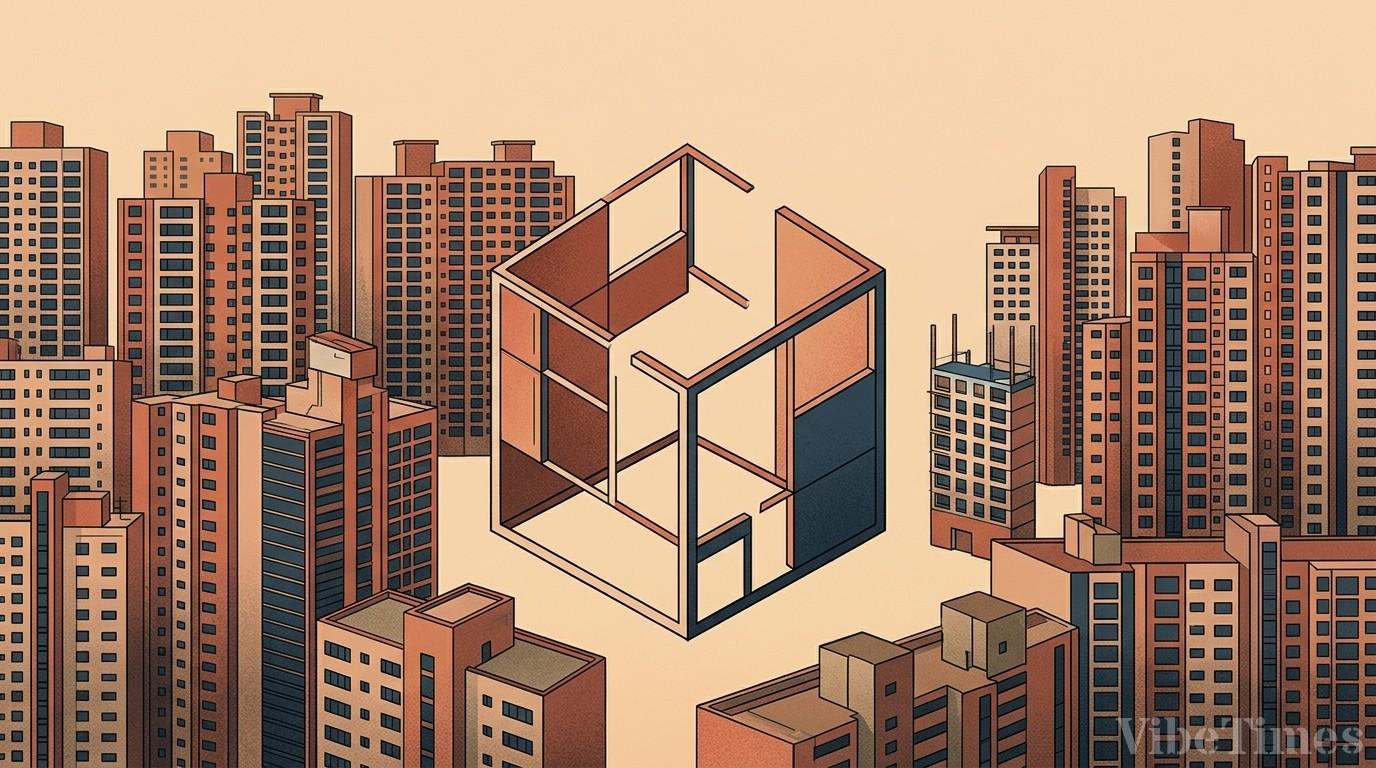
With the number of newly supplied apartments in Seoul dwindling to an all-time low, the rental market across the wider Seoul metropolitan area is becoming increasingly unstable. As the rental crunch persists, prices for relatively affordable apartments on the outskirts of Seoul and near the Gyeonggi Province are surging as genuine buyers, pushed by rental difficulties, rush to purchase homes.
According to KB Real Estate data, in mid-May, many areas within Seoul saw weekly increases in both jeonse (long-term lease) and sale prices exceeding 0.2%. Particularly in areas more affordable than the Seoul average, such as parts of Gangbuk, weekly price surges of over 1% were observed. In contrast, areas with high property values like Gangnam-gu and Seocho-gu showed a slowdown in price growth, attributed to tighter lending conditions and low jeonse-to-price ratios.
The shortage of rental units is also spreading throughout the Seoul metropolitan region. Mid-priced areas in Gyeonggi Province with good accessibility to Seoul saw weekly price increases exceeding 0.3%, surpassing Seoul's growth rates. This phenomenon is believed to be triggered by Seoul commuters who, unable to afford the soaring jeonse prices in the capital, are pushed to adjacent Gyeonggi areas, simultaneously exacerbating rental and sales market pressures in those regions. Conversely, farther-flung areas like Goyang, Pyeongtaek, and Anseong have experienced price declines, highlighting a clear polarization within Gyeonggi Province's real estate market.
The fundamental cause of the rental market instability and rising sales prices lies in the looming, large-scale supply shortage. Data from real estate information platforms Asil and Real Estate Jin shows that the number of new apartments scheduled for completion in Seoul from 2026 to 2028 is projected to be around 17,000, 11,000, and 10,000 units, respectively. This is less than half of Seoul's historical minimum annual supply of 35,000 units. Kim In-man, head of the Kim In-man Real Estate Economic Research Institute, diagnosed the situation by stating that due to the scarcity of jeonse units and rising rental costs, genuine buyers are shifting to the relatively more affordable mid-to-low price sales market. He added that this trend has the potential to spread not only to Seoul's outskirts but also to mid-to-low price areas in Gyeonggi and Incheon.