Hourly Use of Annual Leave to Become Widespread Next Year

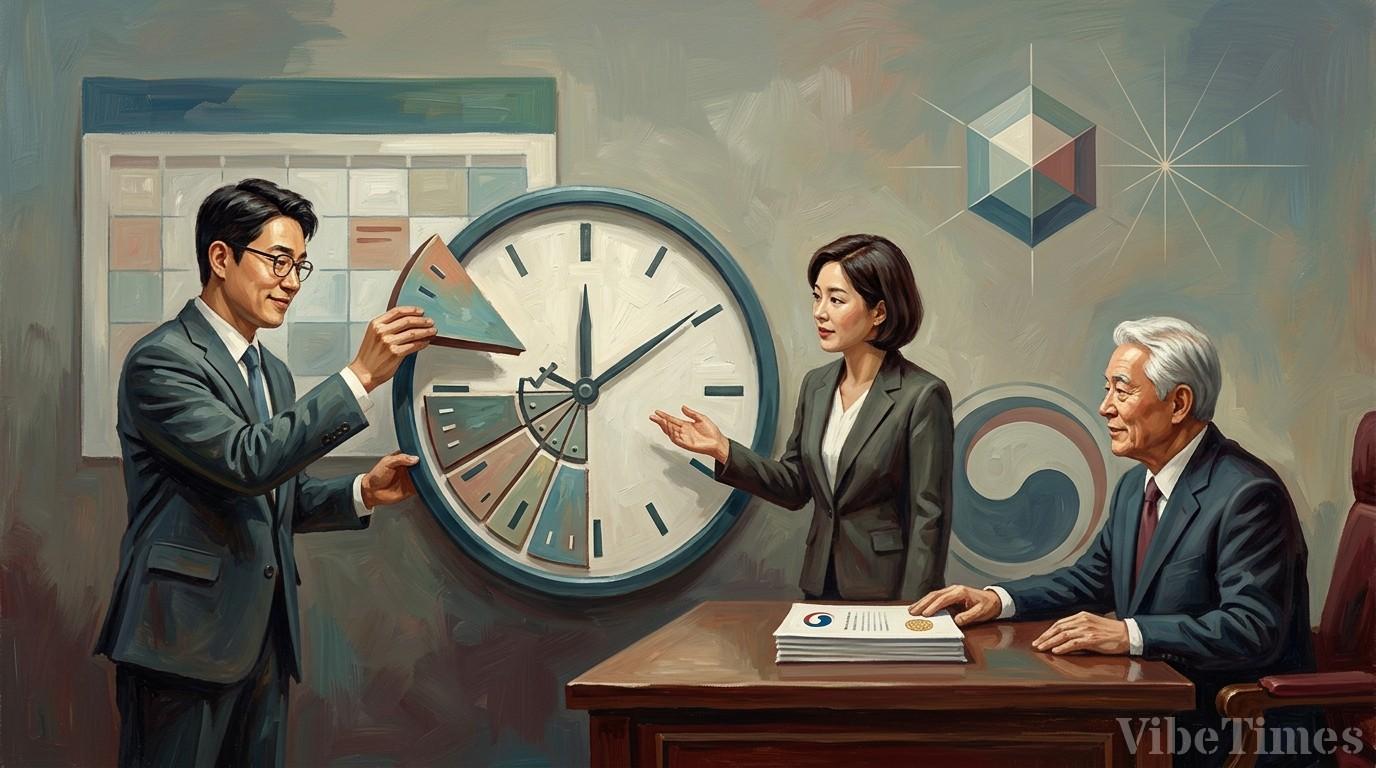
Paid Annual Leave to Be Used by the Hour Starting Next Year
Starting next year, paid annual leave can be used in hourly increments rather than only in full-day units. The government deliberated and approved an amendment to the Labor Standards Act containing these provisions at a Cabinet meeting presided over by the President on the 2nd. This amendment aims to improve the long-hours work culture and foster a more flexible working environment, and is expected to significantly enhance convenience for employees using their leave.
Previously, annual leave could only be taken in minimum half-day or full-day blocks. This posed an inconvenience as employees had to use a full day of leave even for short absences needed for personal matters.
The passage of this amendment to the Labor Standards Act is interpreted as part of President Lee Jae-myung's labor market advancement policy. In particular, the need for legal revision has been consistently raised to reflect changing work patterns and employee demands. While many companies have already voluntarily introduced and operated hourly annual leave systems, codifying it into law means the same standards will apply across all workplaces. This is expected to directly impact approximately 22 million workers in businesses with five or more employees.
Key Provisions of the Amendment and Expected Effects
The amended Labor Standards Act deletes the provision stipulating that paid annual leave must be taken in "full-day" units, and clarifies that employees can use it in hourly increments if they wish. For example, employees can now take a half-day off in the morning or use two to three hours of leave for specific work tasks or medical appointments. This will allow employees to use their annual leave more efficiently, providing greater flexibility for personal events, sick days, or urgent errands.
A government official explained the passage of the bill, stating, "This goes beyond merely changing how leave is used; it is the result of societal efforts to reduce long working hours and achieve work-life balance." They anticipate positive effects, especially in conjunction with the growing preference for flexible work arrangements among younger generations. Furthermore, it is analyzed that workplaces with low annual leave utilization rates may see employees taking leave more frequently and actively now that hourly use is possible.
Indeed, some forecasts suggest that this amendment will reduce employee fatigue and improve concentration at work. Hourly annual leave usage alleviates the burden of taking a full day off for minor personal matters, helping employees attend to personal life while minimizing unnecessary work disruptions. This, in turn, is expected to positively impact productivity.
Discussions and Challenges Surrounding the System's Introduction
While the amendment strongly enhances employee convenience, there are aspects that need consideration during its implementation. For businesses, managing work schedules may become more complex due to hourly leave usage. This is particularly true for small businesses with tight staffing or workplaces requiring shift work, where developing efficient management plans will be crucial. In response to these concerns, the government recommends establishing operational guidelines through sufficient consultation between employee representatives and employers.
Additionally, while this amendment applies to businesses with five or more employees, equity issues may arise as businesses with fewer than five employees will not directly benefit from the legal revision. However, the government has stated its intention to review expanding the application of the Labor Standards Act to businesses with fewer than five employees in the medium to long term. Experts emphasize that for the hourly annual leave system to be successfully implemented, improved awareness of employee rights, along with proactive cooperation from employers in managing the system, is essential.
Future Legislative Procedures and Outlook
The amendment to the Labor Standards Act, having passed the Cabinet meeting, will proceed through the Ministry of Government Legislation review and promulgation process before taking effect. The government deliberated and approved it along with 40 related legal drafts and 20 presidential decree drafts. The relevant procedures are expected to be finalized within the year, with full implementation beginning next year. This means that by 2027, all employees should be able to use their annual leave on an hourly basis.
While this legislative change will enhance the convenience of leave usage for employees in the short term, it is projected to have a considerable impact on the overall Korean labor market in the long term, including the spread of flexible work and changes in work culture. The expectation is for the system to successfully take root through the active participation and efforts of the government, businesses, and employees. It will be particularly important to continuously monitor and address any unforeseen issues that may arise during the system's integration into the workplace.
