OpenAI Proposes Consolidating U.S. AI Regulations

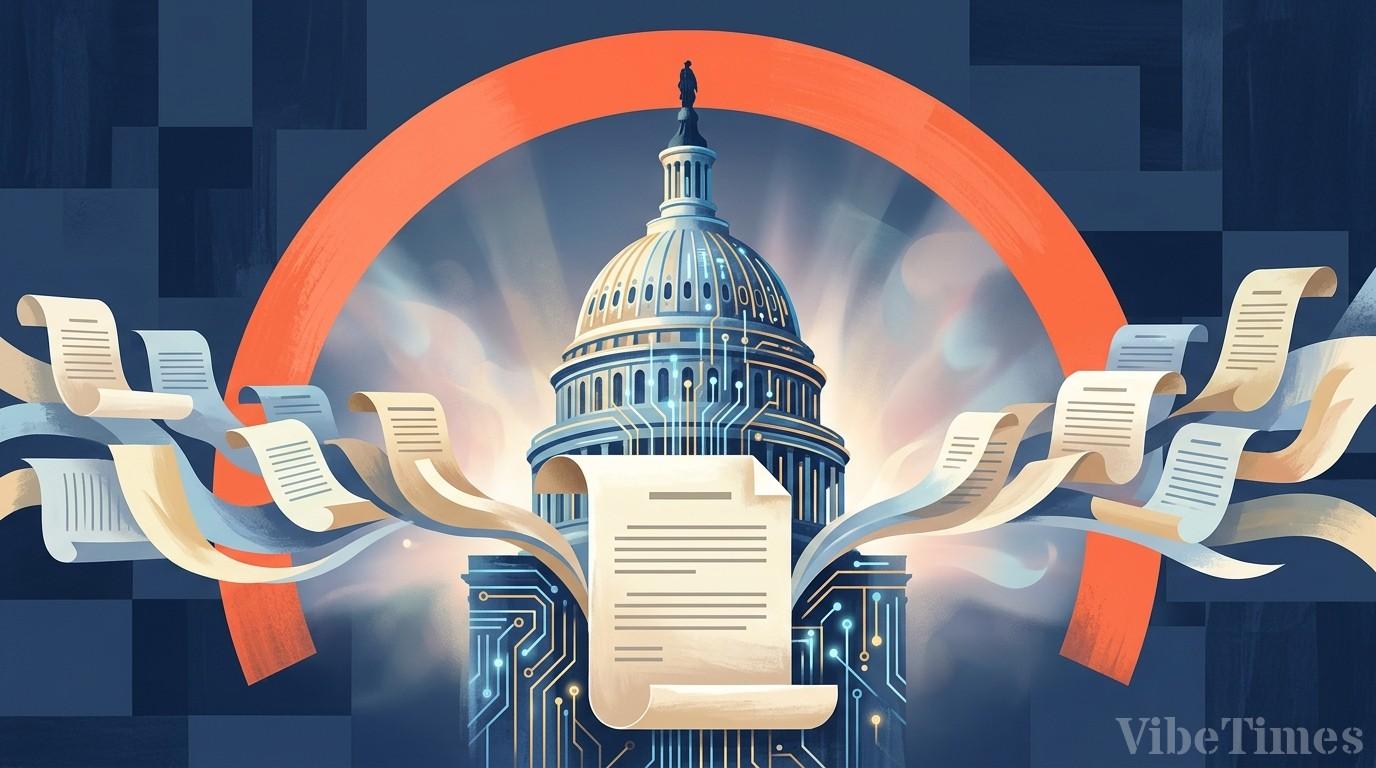
Proposal to Consolidate AI Regulations: OpenAI's Suggestion and Domestic/International Repercussions
A proposal has emerged to consolidate artificial intelligence (AI) regulations scattered across the United States into a single, federal standard. This proposal was officially put forth by OpenAI, a leading AI development company, stemming from concerns that differing regulations in each state could cause confusion for corporate activities and technological advancement. Currently, major U.S. states like California and New York are independently enacting or pursuing laws regarding AI ethics, data privacy, and algorithmic transparency. These disparate regulatory movements impose unpredictability and increased compliance costs on companies developing and commercializing AI technologies.
OpenAI has pointed out that this state of "regulatory fragmentation" could hinder technological innovation and ultimately weaken the competitiveness of the U.S. AI industry. They argue that AI, with its inherently borderless technological nature, necessitates a comprehensive and consistent approach rather than regulations confined to specific regions. According to Yonhap News Agency, OpenAI is urging the federal government to establish a unified regulatory framework to prevent such confusion and promote the sound development and safe use of AI technology.
Background and Key Content of the AI Regulation Consolidation Proposal
The fundamental background to OpenAI's proposal for consolidating AI regulations lies in the speed and pervasive impact of AI technological development. The emergence of generative AI, such as ChatGPT, has signaled transformative changes across industries, while simultaneously amplifying societal concerns about potential risks like data bias, the spread of misinformation, job displacement, and privacy infringement. Consequently, governments and legislatures worldwide are accelerating legislative efforts to manage AI risks and clarify accountability.
In the absence of federal-level regulation in the United States, individual states have begun introducing AI regulations based on their own standards. For example, some states have proposed bills mandating the prohibition of discrimination in hiring or credit assessments using AI algorithms, while others require clear labeling for AI-generated content. However, these individual state bills lack consistency in their content, scope of application, and penalty provisions, thereby increasing the complexity of regulations that companies must comply with. The core of OpenAI's proposal is to consolidate these state-level regulations into federal law, enabling companies to focus on AI technology development without confusion.
While the specific details of the proposal have not yet been fully disclosed, discussions are expected to encompass areas such as data usage, algorithmic transparency, accountability determination, and measures for managing potential risks. Given the socioeconomic impact of AI technology, this is expected to play a crucial role not only in short-term risk management but also in establishing a long-term technology development roadmap. Ultimately, the goal is to find a balance that maximizes the benefits of AI technology while minimizing its side effects.
Domestic and International AI Regulation Trends and Market Impact
OpenAI's proposal is expected to influence not only domestic discussions in the U.S. but also global AI regulatory debates. The European Union (EU) already passed its comprehensive AI regulation, the "AI Act," in 2023 and is preparing for its implementation. The EU's AI Act adopts a "risk-based approach," applying regulations differently based on the risk level of AI systems, imposing strict obligations on high-risk AI systems. While this approach differs somewhat from the U.S. move towards consolidating regulations under a single federal law, it demonstrates the active international interest and discussion surrounding AI regulation.
Domestically, there is a growing call for urgent legislation to keep pace with AI technology development. Various bills related to AI ethics, safety, and data utilization are currently being deliberated in the National Assembly. There are also moves to strengthen regulations on hateful or mocking posts from specific online communities, such as the "Ilbe Ban Law" proposed by Rep. Lee Hoon-ki of the Democratic Party of Korea. This reflects consideration for AI's influence on information dissemination and public opinion formation, sparking discussions about social responsibility for AI-generated content creation and distribution. Rep. Jung Ju-hee of the People Power Party is also focusing on legislative tasks related to the changing media landscape in the AI era, advocating for the normalization of public broadcasting through the re-promotion of a broadcasting law amendment. Additionally, political issues like the push for the "Chae Sang-byeong Special Prosecutor Act," though not directly related to AI technology, can serve as references for understanding overall legislative trends.
The outcomes of these regulatory discussions are expected to have a significant impact across the entire AI industry. Companies may need to make additional investments in technology development and system construction for regulatory compliance, which could be particularly burdensome for startups and small and medium-sized enterprises. Conversely, a clear and predictable regulatory environment could, in the long run, increase the credibility of AI technology and foster market growth by enhancing consumer and corporate acceptance. The statement by "Lee Jae-myung's government" (referring to the political platform of the Democratic Party) pledging to do its utmost to lay the policy, budget, and institutional foundations for the growth of K-AI semiconductors demonstrates this commitment to nurturing the domestic AI industry and suggests the importance of a balanced approach between regulation and growth support.
Future Legislative Procedures and Prospects
A significant legislative process remains before OpenAI's proposal for consolidating AI regulations can be realized at the U.S. federal level. Bipartisan consensus will be essential for the proposal to be formalized into a bill and passed by Congress. Various discussions are currently underway in the U.S. Congress concerning AI, and focus is expected to be placed on finding a balance between the scope and intensity of regulations and technological development. If a federal consolidated regulatory bill is established, it will likely supersede or adjust the regulations pursued by individual states. It is highly probable that industry opinions will be gathered and public hearings will be held during this process.
The domestic situation is similar. Several AI-related bills currently proposed must go through deliberation in parliamentary standing committees, followed by approval from the Legislation and Judiciary Committee and the plenary session. Specifically, as of June 4, 2026, although there are no major elections scheduled at this time, the legislative activities of National Assembly members will continue. Similar to how the "Labor Standards Act amendment" was approved by the Cabinet, allowing annual leave to be used in hourly units starting next year, legislation closely related to daily life tends to be processed relatively quickly. However, complex and far-reaching issues like AI regulation may take time to deliberate as various stakeholders' opinions clash.
Overall, AI regulation is a global trend, with countries cautiously approaching it by considering the pace of technological development and its societal impact. OpenAI's proposal has introduced a significant topic into these global discussions, and how the regulatory framework evolves will have a profound impact on the future of AI technology and the growth of related industries. Therefore, it is crucial for companies, governments, and civil society alike to closely monitor discussions on AI regulation and actively participate.