Bill to Expand Board of Audit's Power Over Election Commission Ignites Political Firestorm

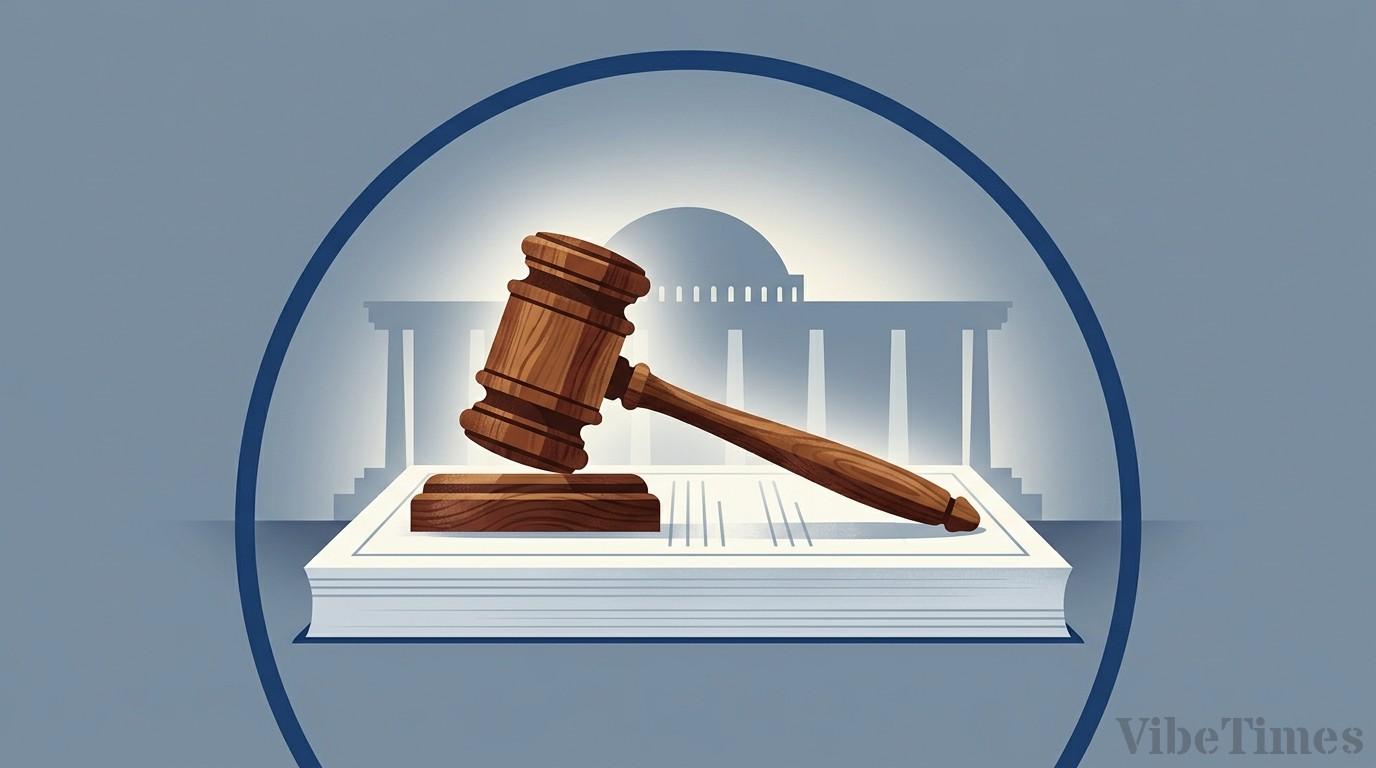
Bill to Expand Board of Audit's Oversight of Election Commission Fuels Political Debate
A bill recently introduced in the National Assembly has become a hot potato in political circles. The 'Amendment to the Board of Audit and Inspection Act,' primarily proposed by independent lawmaker Han Dong-hoon, seeks to include the National Election Commission (NEC) and its regional bodies within the scope of audits by the Board of Audit and Inspection (BAI). The bill's political weight has been amplified by the participation of a significant number of prominent members and the party leadership faction of the People Power Party. This amendment reignites existing debates surrounding the independence and political neutrality of the BAI. Analysts suggest that persistent questions about transparency and fairness in past election processes have served as a catalyst for this legislative move.
Concerns are being voiced from within and outside the political arena that the bill could excessively expand the BAI's authority and undermine the neutrality of election management. Conversely, proponents argue it is a necessary measure to enhance the transparency of election management bodies and strengthen the efficiency of budget execution. Notably, during the legislative preview period for the 22nd National Assembly, a large volume of hateful comments, including the word "China," were submitted, raising concerns about the potential influence of specific political forces on the public comment system. This has further exacerbated worries that political bias could affect the election management system.
Key Contents of the Bill and Anticipated Repercussions
The core of the 'Amendment to the Board of Audit and Inspection Act' is the addition of the NEC and its provincial, city, and district-level election commissions as subjects of BAI audits. The intention is to increase transparency in the substantial budget managed by the NEC and in the election management process itself. If passed, the BAI would be empowered to conduct regular or ad-hoc audits of the NEC's budget execution, organizational operations, and personnel matters. In a similar vein, People Power Party lawmaker Kang Myung-goo has proposed a bill aimed at unifying election management by central and provincial commissions, which includes abolishing district, town, and village-level election management committees. This is interpreted as an effort to enhance the overall efficiency and central control of the election management system.
The passage of such legislation could bring significant changes to the election management system. Firstly, BAI audits of the NEC's budget execution and operations could provide a check on inaccurate or inefficient spending. Secondly, depending on the BAI's audit findings, changes in the NEC's organizational structure or personnel processes might become unavoidable. Thirdly, proponents anticipate that this would further enhance the transparency and fairness of election management. On the other hand, those prioritizing the independence of election management cite the potential for BAI audits to lead to political interference in the election management process as their primary concern. Considering past active debates over special prosecutor bills related to sensitive political issues like 'insurrection,' the bill to expand the NEC's audit authority is likely to become a central point of political contention going forward.
Debate, Opposition, and Social Impact
The debate surrounding this amendment is highly contentious. Proponents champion the cause of securing the neutrality and enhancing the transparency of election management. The bill, being pushed as the first legislative initiative of People Power Party lawmaker Han Dong-hoon, enjoys considerable support from the ruling party, with 31 members of the party leadership faction and senior lawmakers participating. They assert that BAI audits would allow for a thorough review of the NEC's budget execution, thereby preventing potential inefficiencies or improper spending. They also argue that including the NEC within the BAI's audit scope is a natural duty of a national audit institution.
In response, opposition parties and segments of civil society have expressed strong reservations. The independence of election management is considered a vital value in democratic nations, and they argue that subjecting the NEC to BAI audits could expose it to political pressure. Specifically, it is pointed out that expanding the BAI's audit scope could compromise the neutrality of election management depending on political dynamics. Furthermore, with 82.67 million opinions submitted to the 22nd National Assembly's legislative preview site, and a significant portion analyzed as reflecting specific political stances, criticism has arisen that the BAI's audit authority over the NEC could be misused as a political tool. This concern culminates in fears that, much like the instance where the word "Communist China" saw a 20,000-fold surge on the legislative preview site, it could lead to a decline in overall trust in the legislative system.
Meanwhile, the Jo Guk Innovation Party has announced its legislative agenda focused on normalizing the judicial system and upholding the rule of law, including urging the passage of the 'Sergeant Chae Special Prosecutor Act,' prioritizing the processing of the 'Kim Keon Hee Special Prosecutor Act,' and reducing the scope for direct prosecution investigations. This suggests that political stances on specific bills are becoming increasingly intertwined with the current administration's judicial policies and discussions on prosecutorial reform. Separately, industrial support bills, such as an amendment to the Tax Incentive Act to extend tax credits for video production costs to the game and music industries, are also being discussed in the National Assembly, indicating that legislative activities are proceeding simultaneously across various sectors.
Future Prospects and Legislative Process
The path for the Amendment to the Board of Audit and Inspection Act to clear the National Assembly involves several hurdles. Currently, the bill must undergo review by the National Assembly's Legislation and Judiciary Committee. This committee is responsible for comprehensively examining the bill's constitutionality, legal validity, and potential conflicts with other laws. Amendments to the bill's content may occur during the committee's review, and the review process itself could be delayed due to fierce confrontation between the ruling and opposition parties. Given that the bill's core content deals with the sensitive issue of election management neutrality, intense debate is anticipated even within the Legislation and Judiciary Committee.
Even if it passes the Legislation and Judiciary Committee, the bill must then proceed to a vote in the plenary session. Considering the current distribution of seats in the National Assembly, it is unlikely that the bill will pass without the cooperation of the ruling party. The opposition parties maintain a critical stance on the bill's content and intent, and are expected to continuously raise concerns about potential infringements on the independence of election management. Therefore, it could take a considerable amount of time for this bill to finally pass the National Assembly and become law, with the achievement of political consensus being a key variable in the process. Regardless of whether the bill passes, the attempt to expand the BAI's audit authority over the NEC is expected to further deepen societal discussions on finding a balance between election management transparency and political independence. Furthermore, with sensitive political issues like 'insurrection' and 'special prosecutors' continuing to emerge, future legislative trends are likely to unfold in close connection with the power dynamics in politics and attempts at legal regulation of sensitive matters.