#경제
June 24 Fair Trade Report: 6 Sanctions Across 6 Sectors, KFTC Urges Market Structure Improvement

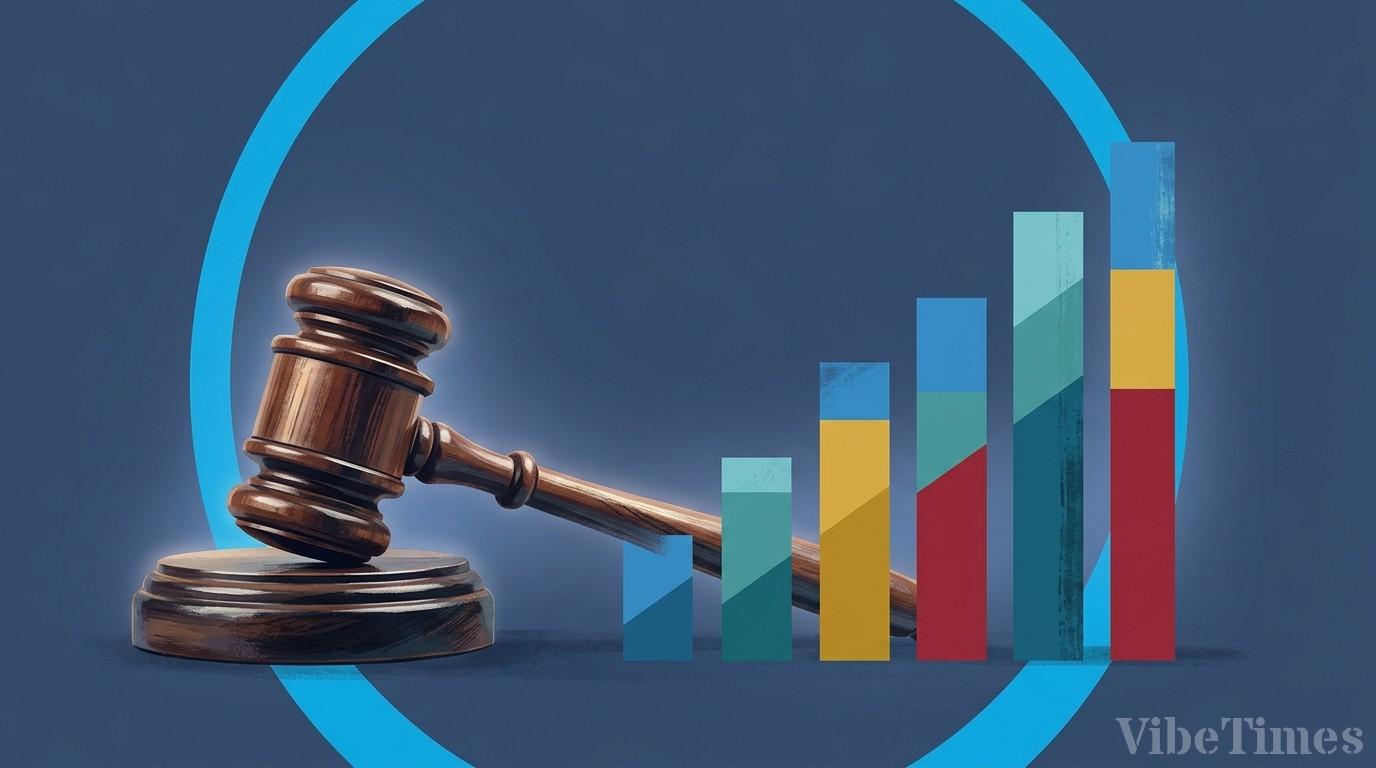
KFTC Sanction Trends Comprehensive Analysis: 6 Sanctions in 6 Sectors, Urging Market Change
The Korea Fair Trade Commission (KFTC) has decided on a total of 6 sanctions across 6 sectors. This signifies policy intervention not just on specific corporate actions, but also on structural issues and market competition environments across entire industries. These sanction decisions raise the necessity for market participants to re-evaluate regulatory trends and adjust future business strategies. This analysis is based on the KFTC's recent sanction data, focusing on diagnosing the current status of the affected sectors and shedding light on their potential impact on the market and macro trends.Analysis of Sanction Status and Background
Recent KFTC sanctions are showing a different pattern from the past, interpreted as a signal to urge market change. In particular, these 6 sanctions highlight issues concerning the vulnerability of market structures or unfair business practices among operators, rather than deliberate violations of law by specific companies. These sanctions are understood as measures to improve problems such as the abuse of monopolistic or dominant positions, unfair trade practices, and infringements of consumer rights, primarily in rapidly growing markets like digital platforms and innovative technology sectors. For instance, in certain sectors, dominant market players were found to have unfairly restricted competition from latecomers through their platforms or forced disadvantageous trading conditions. Corrective actions were also included for cases where consumers' access to information or freedom of choice, which they should rightfully enjoy, was restricted. This demonstrates that the KFTC is not merely regulating past trade practices but is also actively responding to new forms of unfair practices arising in the rapidly changing digital economy environment. The background for these sanctions is rooted in the shared recognition that market complexity is increasing with technological advancements, leading to greater disadvantages for consumers and small businesses. Furthermore, the trend of increased regulation in global markets may have also influenced domestic policy decisions. The KFTC is closely observing these industry trends and strengthening its policy efforts to foster a fair competitive environment and promote sustainable market development.In-depth Diagnosis of Market and Industry Ripple Effects
The KFTC's sanction decisions are expected to bring significant ripple effects across the entire industry ecosystem. Firstly, sanctions on the actions of dominant market players can serve as a catalyst for reshaping the competitive landscape. As disadvantages previously faced by competing businesses are resolved, opportunities for new businesses with innovative ideas or small and medium-sized enterprises to enter the market may expand. In the long run, this will contribute to fostering industrial diversity and creating a virtuous cycle that offers better products and services to consumers. Secondly, these sanctions necessitate a review of business practices across related companies. Not only the sanctioned companies but also other companies with similar business models are likely to strengthen their internal compliance and fair trade systems. This will guide companies to establish sustainable management strategies from a long-term perspective beyond short-term profit seeking, and serve as an occasion to reaffirm the importance of ethical management. Thirdly, positive impacts are also expected in terms of consumer rights protection. When unfair practices are corrected, consumers' choices will broaden, and they will be able to use products and services under more transparent and fair conditions. This will form the basis for gaining consumer trust and, in the long term, lead to the sound growth of related industries. However, some sanctions may cause rapid market changes, so the possibility of temporary confusion as companies adapt to the new regulatory environment cannot be ruled out.Future Outlook and Investment Implications
Recent KFTC sanction trends foreshadow a continued stricter regulatory environment for businesses operating in related industries going forward. In the digital economy, in particular, which is based on data and platforms, policy efforts to ensure market fairness and transparency are expected to intensify. This means companies must operate their businesses in a way that fulfills their social responsibilities, going beyond mere legal compliance. From an investor's perspective, this regulatory tightening should serve as an important opportunity to re-evaluate the sustainability of existing business models. Companies that have been sanctioned or are potentially subject to sanctions need to thoroughly analyze the structural vulnerabilities of their business models and strengthen risk management measures. Conversely, companies with the potential to grow through innovation in a fair competitive environment may offer positive investment opportunities. Ultimately, these changes in the regulatory environment will enhance the soundness of the overall market and encourage sustainable growth based on consumer trust. Therefore, companies should strive to secure a competitive advantage through fair and transparent business operations from a long-term perspective, rather than short-term regulatory evasion. This is expected to establish itself as an essential process for market trust and growth, rather than just regulation.
Related Articles
September 24 Investment Report: AI Value Investing Portfolio +63.8%
경제
September 23 Investment Report: AI Value Investing Portfolio +54.4%
경제
September 23 Market Report: Nasdaq Hits Record High on Intel Strength
경제
Public Data Report for September 23: Daekyung Forest Development Scores a Government Procurement Win
경제
How to Cut Interior Costs for a 33㎡ Studio Apartment
경제
잠들지 않는 원화, 밤에도 국경 넘는다…첫 거래 14억원의 신호
경제