Yonsei Professor Choi Jong-kun Diagnoses ROK-US Alliance, Stresses National Interest-Centric Diplomacy

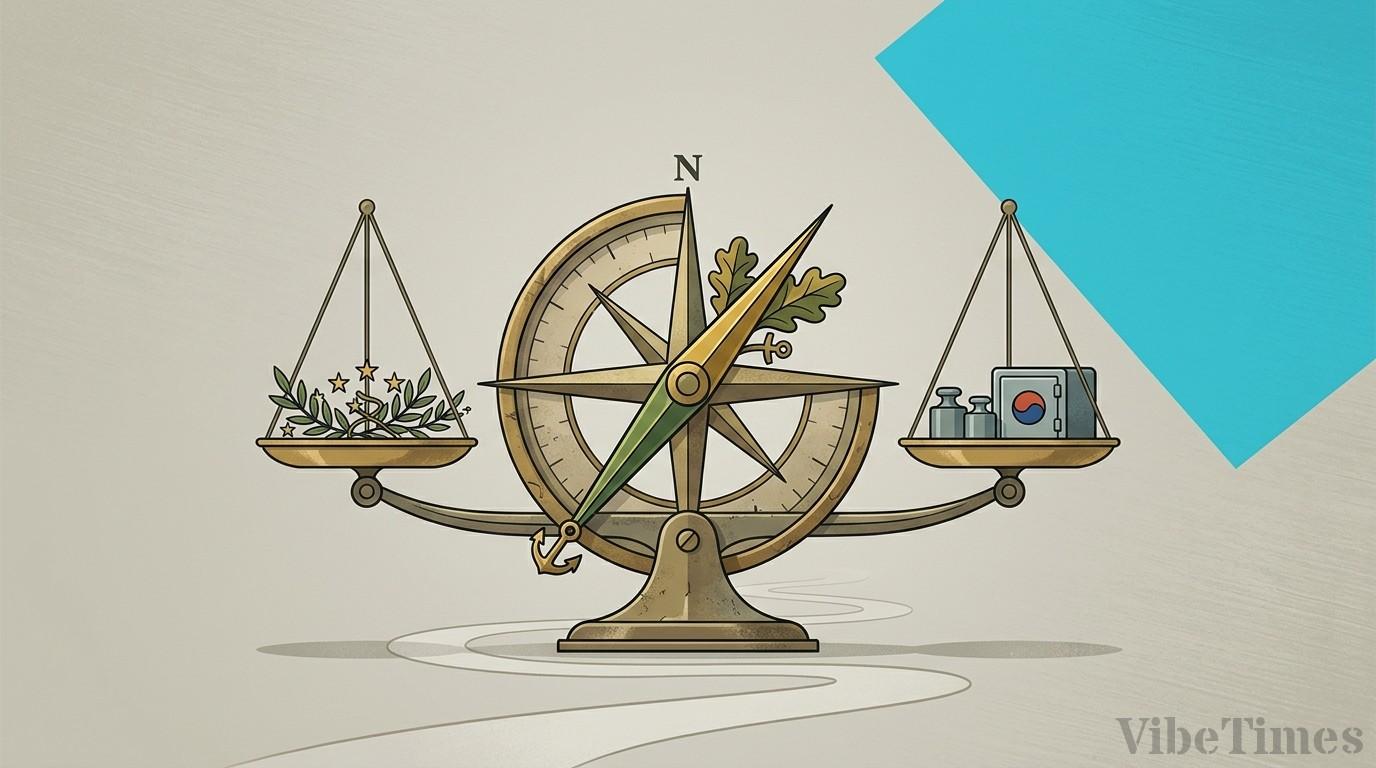
Amid a complex diplomatic landscape involving the possibility of former President Donald Trump's return to power, a wavering international order, and intensifying US-China competition, calls have emerged for South Korea to establish an autonomous diplomatic strategy based on a thorough calculation of national interests, rather than being confined to the slogan of 'strengthening the ROK-US alliance.'
Choi Jong-kun, a Yonsei University professor and former First Vice Foreign Minister under the Moon Jae-in administration, diagnosed that South Korea's concerns in its relationship with the US have shifted from past anxieties of being 'abandoned' to current worries of being 'unwillingly caught up' in various fields such as energy, economy, and military affairs. Professor Choi expressed concern that the US's 'alliance modernization' is drawing South Korea into the front lines of US-China competition.
Lee Hye-jung, a professor at Chung-Ang University, assessed that South Korea's development model of 'copying the US' has lost its validity.
Noh Kyu-duk, former Special Representative for Korean Peninsula Peace and Security Affairs at the Ministry of Foreign Affairs, diagnosed that sanctions-focused denuclearization has failed concerning the North Korean nuclear issue, and suggested that a pragmatic approach is to set denuclearization as a long-term goal while stably managing relations with North Korea.
Jeong In-kyo, former Deputy Minister for Trade Negotiations at the Ministry of Trade, Industry and Energy, predicted that the US-China tariff 'truce' would not last long, emphasizing the need for an economic security-oriented trade strategy that integrates industrial and trade policies, as the international community has entered an 'era of economic security.'