President Lee Jae-myung’s State Visit to Mongolia: Ger Luncheon and Critical Mineral Cooperation Outcomes

First State Visit to Mongolia in 15 Years: The 'Ger Luncheon' and Official Diplomacy
From the 9th to the 11th (local time), President Lee Jae-myung paid a state visit to Mongolia as the head of state of the Republic of Korea, marking the first such visit in 15 years. The highlight of this itinerary was not the official talks with Mongolian Prime Minister Oyun-Erdene and President Khurelsukh, but rather the luncheon held in a 'Ger' (traditional Mongolian tent), which was cited as the most symbolic meeting. By meeting in a traditional setting, the leaders of both countries succeeded in narrowing the psychological and physical distance that had grown over the past few years of political disconnect.
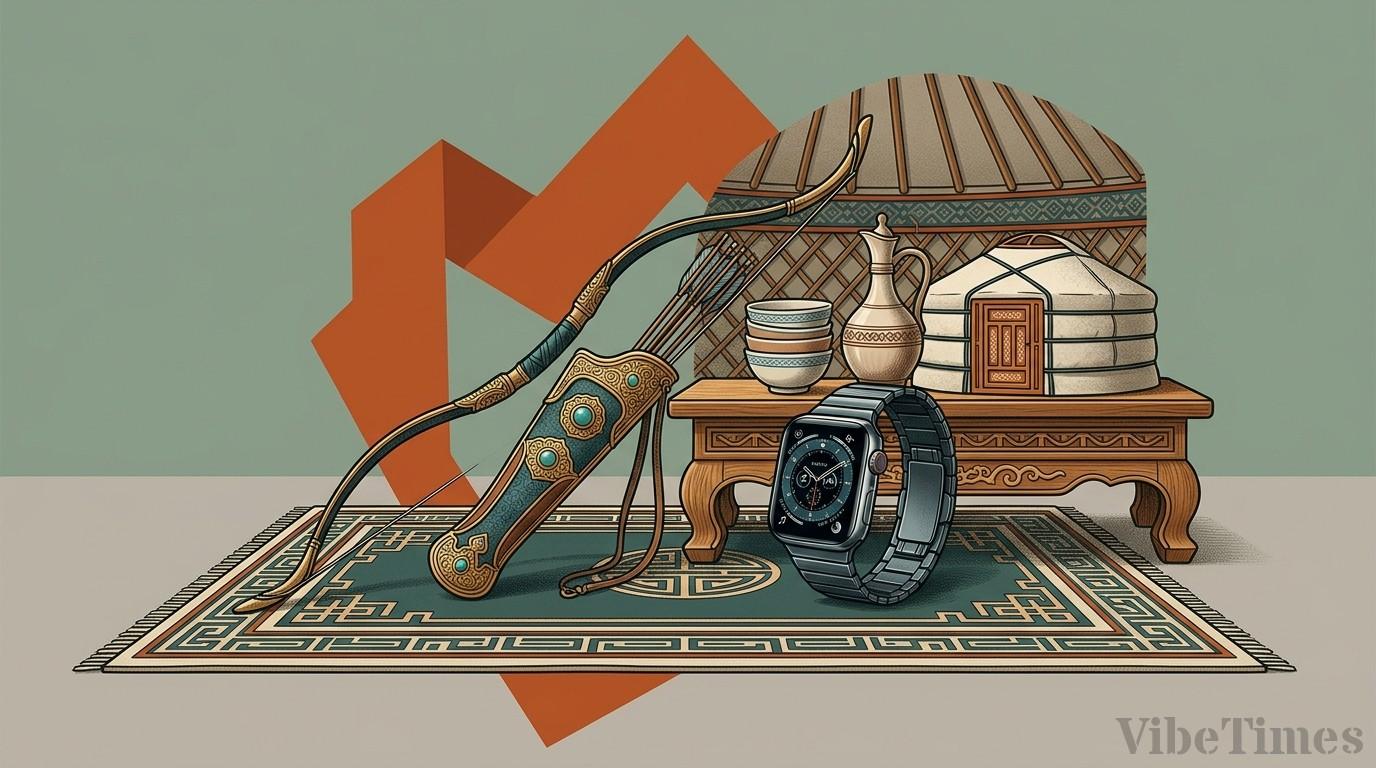
This close diplomacy, going a step beyond diplomatic protocol, signifies more than simple friendship. President Lee made a surprise visit to 'Seoul Street' in Ulaanbaatar, mingling naturally with local citizens to foster a friendly image among the Mongolian public. The exchange of official gifts also held special significance. President Lee presented President Khurelsukh with a set of Gukgung (traditional Korean archery) equipment and a smartwatch featuring cutting-edge technology, conveying a will for friendship that symbolizes both tradition and future technology.
Securing Critical Minerals and Preserving Lee Tae-jun Park: The Beginning of a Strategic Partnership
The core purpose of this state visit extends beyond diplomatic camaraderie to the realization of national interests. Discussions with Prime Minister Oyun-Erdene focused heavily on economic cooperation and strengthening the supply chain for critical minerals. This highlights the high geopolitical value of Mongolia, which holds massive deposits of minerals essential for the production of electric vehicles and high-spec semiconductors. For South Korea, this represents an optimal opportunity to diversify stable resource procurement amid the hegemonic competition between the United States and China.
As a result of the official discussions, the Korean and Mongolian governments signed an MOU for the preservation and management of the Lee Tae-jun Memorial Park. Lee Tae-jun, a renowned Korean literary figure, held a deep affection for Mongolia, and this park serves as a core symbol representing the historical and cultural ties between the two nations. The conclusion of a government-level MOU on cultural asset management—limited not only to security and the economy—is interpreted as a move to build long-term mutual trust.
Managing Geopolitical Risks and Addressing Resource Nationalism
Supply chain cooperation with Mongolia holds immense strategic value as it secures an alternative distribution route that can bypass the influence of China, located at Mongolia's southern border. However, there are practical obstacles requiring thorough analysis and verification. Resource nationalism is gaining strong momentum within Mongolia, leading to strict controls on indiscriminate mining development by foreign capital. Unless the Korean government adopts a mutually beneficial approach—supporting infrastructure construction and technical education in Mongolia rather than simply extracting resources—it will be difficult to achieve the primary goal of securing critical minerals.
In terms of cultural cooperation, the key issue will be how to share the financial and administrative burdens during the implementation of the Lee Tae-jun Memorial Park preservation MOU. Given Mongolia's extreme climate and vast territory, the long-term maintenance and management of local facilities using Korean technology will require the parallel entry of private enterprises alongside government efforts. A detailed follow-up strategy is needed to translate the initial political trust established by the government into efficient private economic exchange.
Strengthening Status as a Eurasian Continental Bridge
President Lee assessed the visit as having "thickly built trust and friendship," and it is analyzed to have presented a blueprint for the development of bilateral relations over the next five years. The Mongolian government also clearly intended to improve its economic structure through a special strategic partnership with Korea, following those with the U.S. and Japan. The MOUs signed and discussions on critical mineral cooperation are likely to be subdivided into specific infrastructure investment projects in the future.
South Korea must establish itself not merely as an importer of minerals but as a technological cooperation partner that assists the autonomous growth of the Mongolian economy. Only when this direction is maintained will the diplomatic achievements of this state visit be fully translated into the national economy.
Ultimately, the synergy created by combining Korea's capital and technological prowess with Mongolia's abundant resources holds the potential to significantly alter the landscape of the Northeast Asian trade order. To ensure the government's diplomatic offensive translates into a stable supply chain for the real economy and industrial ecosystem, financial support from state-run banks and proactive investment from key manufacturing companies must be combined swiftly.
