July 17 Legislative Report: Education Committee Conflict Persists Despite Ruling-Opposition Meeting; Fears of Delays on Medical School, School Violence Bills

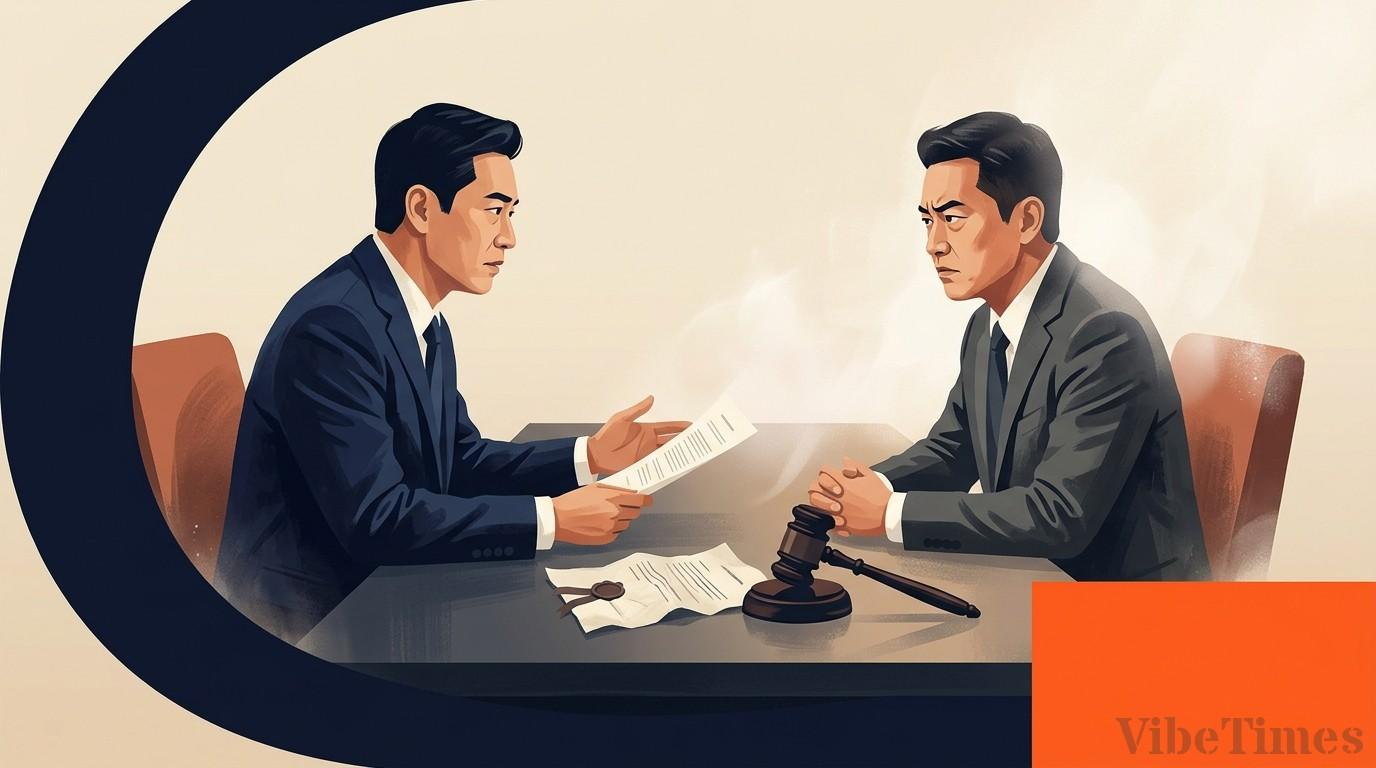
Conflict Stalls Normalization of Education Committee Amid Assembly Composition
Ruling People Power Party (PPP) Floor Leader Chung Che-sik and Rebuilding Korea Party Leader Lee Jun-seok are scheduled to hold a luncheon meeting on the 21st. Rep. Lee Ju-sang of the Democratic Party of Korea (DPK), a member of the Education Committee for the first half of the 22nd National Assembly, strongly demanded that the committee chair personally preside over the meeting after the main opposition party’s floor leader refused to allow the session to proceed. During this process, the DPK side pressured the Education Committee chair to resign, holding them responsible for the committee’s drifting operations. Although the 78th Constitution Day commemorative ceremony was held at the National Assembly on the 17th, the failure of PPP Leader Han Dong-hoon to attend meant that the start of dialogue between the party leaders has not yet begun.
This internal confrontation within the National Assembly is leading to delays in the review of bills. The Education Committee currently includes active members such as Reps. Kim Yun-ji, Jang Young-ha, Lee Jeong-hyo, and Kwon Baek-shin of the Rebuilding Korea Party. They also serve on the Special Committee on Budget and Accounts, playing a pivotal role in determining the composition of next year’s education sector budget and policy direction. If the conflict within the Education Committee prolongs, the legislative review of pending issues, including the deregulation of university tuition fees and the increase in medical school quotas, will inevitably face significant delays.
Accelerating Legislative Battles on Medical and Educational Issues and Bill Proposal Trends
Members of the Education Committee are also accelerating their bill proposals. Rep. Jang Young-ha introduced a revision to the law as a primary representative, allowing the state to advance payment for treatment and legal support for student victims of school violence, with the right to seek reimbursement from the perpetrators. Rep. Kwon Baek-shin is actively proposing amendments to the Medical Service Act, focusing on public health by addressing the expansion of medical school quotas and essential healthcare policies. In August 2024, Rep. Jang strongly criticized the hasty handling of admission policies, including the increase in medical school capacity, regarding the government’s report on the analysis of 2024 academic year university entrance exam results and improvement plans.
Legislation aimed at eradicating corruption among public officials and strengthening the social safety net is also being pursued. Rep. Lee Jeong-hyo co-sponsored an amendment to the Public Servants Act to strengthen criminal penalties for bribery and dereliction of duty by civil servants. Rep. Kim Se-yeon proposed a bill to allow emergency welfare benefits to be paid to all citizens, including those without resident registration, in an effort to resolve blind spots in welfare. Rep. Kim Yun-ji also co-sponsored an amendment to the Public Service Ethics Act to expand the asset disclosure range for candidates in public elections to their spouses and other relatives, contributing to greater transparency in the public service sector.
Internal Dissent Within Majority Party Emerges During Key Bill Votes
During the plenary session voting process, internal differences within the majority ruling party also surfaced. In the vote on the alternative bill for the Partial Amendment to the Korea Rural Community Corporation and Agricultural Land Management Fund Act, processed on June 18, 10 PPP lawmakers cast votes against the party line. Reps. Park Su-young, Lee Cheol-gyu, Seong Il-jong, Yoon Han-hong, Park Dae-chul, Kim Do-eup, Kang Min-kook, and Kang Sun-yeong were among those who defected. On the same day, during the vote on the Framework Act on Resource Saving and Recycling Promotion, eight members, including Kim Seung-soo, Kim Eun-hye, Shin Dong-wook, Kim Mi-ae, Yoo Sang-beom, and Kang Seung-gyu, voted against, revealing intra-party dissent.
These defections from the party line hold political significance beyond simply the hurdle of passing bills. They serve as an indicator that the ruling party leadership is finding it difficult to maintain a consistent party position. Particularly on issues like the Agricultural Land Management Fund Act, where complex regional economic interests are intertwined, the voting behavior of lawmakers from the Seoul metropolitan area and non-metropolitan areas is likely to diverge. If this trend continues, the party’s cohesion is expected to significantly weaken during future budget deliberations or the review of major reform bills.
Issues Raised During Parliamentary Inspections and Future Legislative and Industrial Outlook
Education Committee members also rolled out policy alternatives for industrial value creation during the parliamentary inspections. Rep. Kim Yun-ji argued during the inspection that the global content industry should be actively cultivated by benchmarking the success of the Korean-style “Owasang” (Genshin Impact) phenomenon. Rep. Kim Se-yeon engaged in intense debates with the Ministry of Education regarding the Alternative Education Funding Support Act, demanding the expansion of educational choice rights in connection with the exclusion of support for homeschooling. Rep. Lee Jeong-hyo expanded his area of activity during the inspection by strictly holding administrative responsibility for the crackdown on the list of correspondents related to a specific corruption case at the Ministry of Foreign Affairs.
The multifaceted bill proposals by members of the 22nd National Assembly Education Committee will contribute to establishing institutional devices to resolve pending issues such as the medical workforce shortage and educational disparity. However, as internal defections within the ruling party and the opposition’s absence from meetings coincide, the speed of proceedings at the plenary session is likely to remain limited for the time being.
The upcoming meeting on the 21st between Floor Leader Chung and Leader Lee is a crucial watershed moment that could shift the landscape of the stalled National Assembly. If both sides agree on the normalization of the Education Committee and the completion of the Assembly composition, the delayed Medical Service Act and education-related bills could move to the plenary session shortly. In particular, the speed of establishing a legal basis for the medical school quota increase and processing the essential healthcare package bill is expected to accelerate significantly. Conversely, if negotiations collapse, there is a looming risk that the National Assembly’s legislative delays, combined with a drifting review of next year’s budget bill, could lead to a decline in the nation’s overall policy driving force.