Independent lawmaker Han Dong-hoon: 'Democratic Party's Criminal Procedure Code revision amounts to human rights violations allowing warrantless arrest'

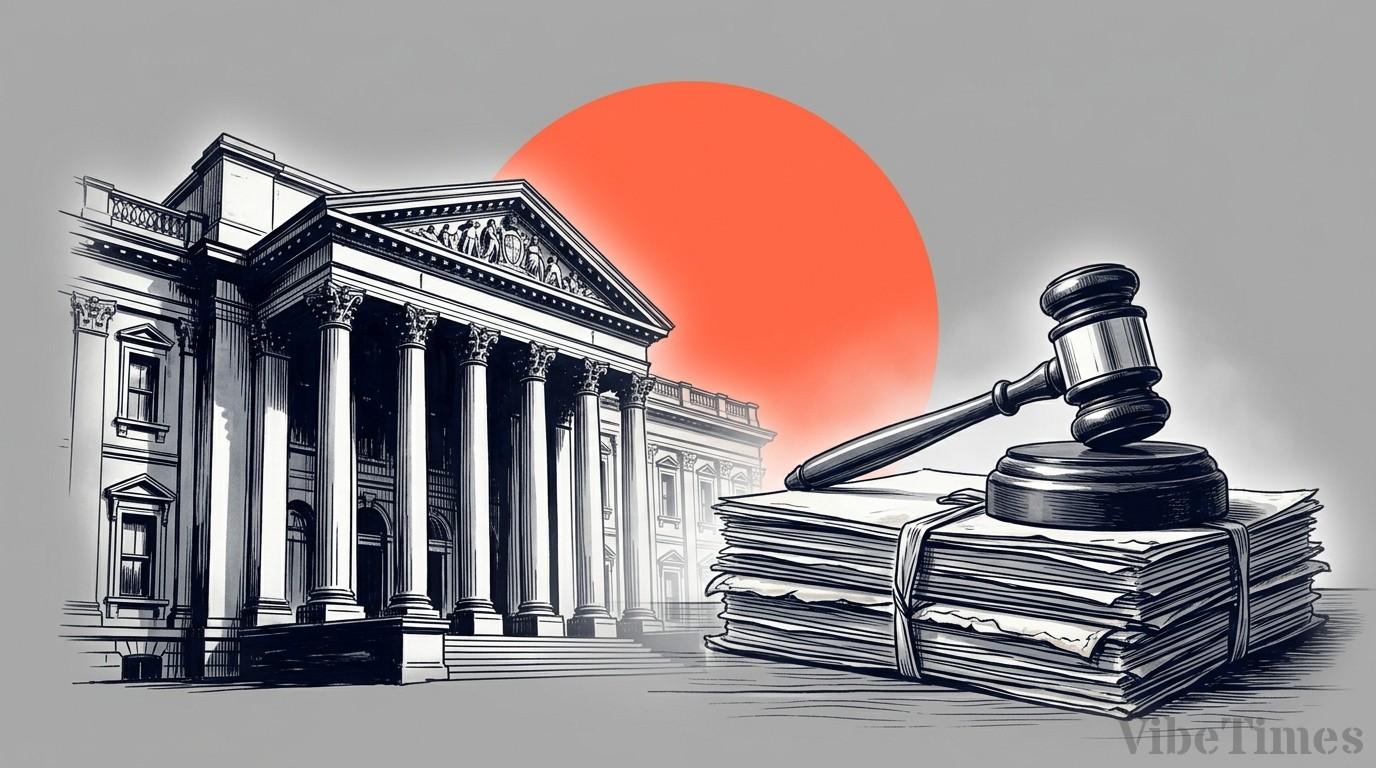
Parliament stalled for 50 days, deepening legislative void
It has been 50 days since the launch of the second half of the 22nd National Assembly, yet there are no signs of an end to the standoff between the ruling and opposition parties. The Democratic Party unilaterally allocated chairs for 11 standing committees, including the Legislation and Judiciary Committee, out of 18 total. In response, the People Power Party has strongly protested and refused negotiations to normalize the National Assembly. As the issue of organizing the Assembly remains unresolved, the parliament is effectively stuck in a holding pattern similar to the immediate post-election period. Amidst this political deadlock, key bills such as the revision of the Criminal Procedure Act and the extension of the independent counsel's term have repeatedly fallen through.
Legal clash between parties over Criminal Procedure Act revision
The most contentious issue is the revision of the Criminal Procedure Act, which centers on abolishing the prosecution's supplementary investigation authority. The Democratic Party emphasizes that restricting prosecutorial powers to separate investigation from indictment is an essential step for restoring judicial justice. However, Independent lawmaker Han Dong-hoon launched a strong counterattack against the bill on the 19th. He criticized the Democratic Party's proposal, arguing that it contains serious potential for human rights violations by effectively allowing the police to conduct unlimited warrantless arrests.
Such criticism highlights fundamental concerns regarding the balance of power between judicial agencies. Critics argue that completely eliminating the prosecution's supplementary investigation authority and transferring full power to the police could significantly weaken institutional safeguards against arbitrary investigations and excessive exercise of public power. Civic groups are also sharply divided between concerns about the potential abuse of investigative power and the need for human rights protection. While both parties are asserting their respective political logic, there is a complete lack of in-depth agreement procedures regarding the protection of the basic rights of the people, who are the actual subjects of the legislation.
Independent counsel investigation faces hurdles amid mounting waste controversy
One of the core triggers of the delay in organizing the Assembly—the extension of the independent counsel term—is also hanging by a thread. With the original investigation period of the second special counsel team, led by Kwon Chang-yeong, ending in just a few days, the Democratic Party has stated its intent to push through a bill on the 20th to extend the investigation period by 30 days. A review of the counsel's investigation trajectory reveals clear institutional and practical limitations. The team has faced significant hurdles, including courts repeatedly rejecting warrants to detain key figures such as former Prosecutor General Shim Woo-jong and former Senior Superintendent of the Supreme Public Prosecutors' Office Jeon Mu-geon. With 11 out of 17 arrest warrants rejected, criticism that the investigation's momentum has significantly waned is difficult to avoid.
The massive expenditure of funds in this process is also central to the political dispute. The People Power Party dismisses the counsel as a 'political show' and strongly raises the issue of costs. According to the opposition party's analysis, a whopping 6.4 billion won in taxpayer money has already been spent solely on office rent for this so-called political investigation. The opposition argues that the system should be improved to utilize vacant space within the Blue House rather than spending enormous sums of taxes to rent separate offices. Observations that astronomical operating costs do not align with investigation results raise fundamental questions about the sustainability of the independent counsel system moving forward.
No narrowing gap between parties… Outlook for legislative schedule
For the National Assembly to end its paralysis and resume normal legislative activities, the ruling and opposition parties must find a compromise on the composition of the Assembly. However, both parties remain locked in a tense standoff over the legitimacy of the unilateral allocation of standing committee chairs, with neither side willing to back down. If this situation prolongs, the fate of the Criminal Procedure Act revision and the independent counsel extension bill will depend entirely on a political settlement between the floor leaders of both parties, rather than a plenary vote. As the deadline for the counsel's term expires, a fierce head-to-head vote cannot be ruled out.
If priorities are not set within the limited session and political confrontation persists, the damage will fall entirely on the public. The process of handling the bill regarding the counsel's extension will likely cause significant disruptions to the schedule for the state audit and the review of next year's budget. To prevent the cause of reforming investigative agencies from being trapped in a political deadlock, parties must now engage in procedural efforts to reach agreements by revealing specific bill clauses and holding substantive public hearings. A hardline approach without rational institutional supplementation is expected to only increase uncertainty within the judicial system.