Democratic Party Counters People Power Party and Oh Se-hoon, Urges Passage of Housing Supply Bills

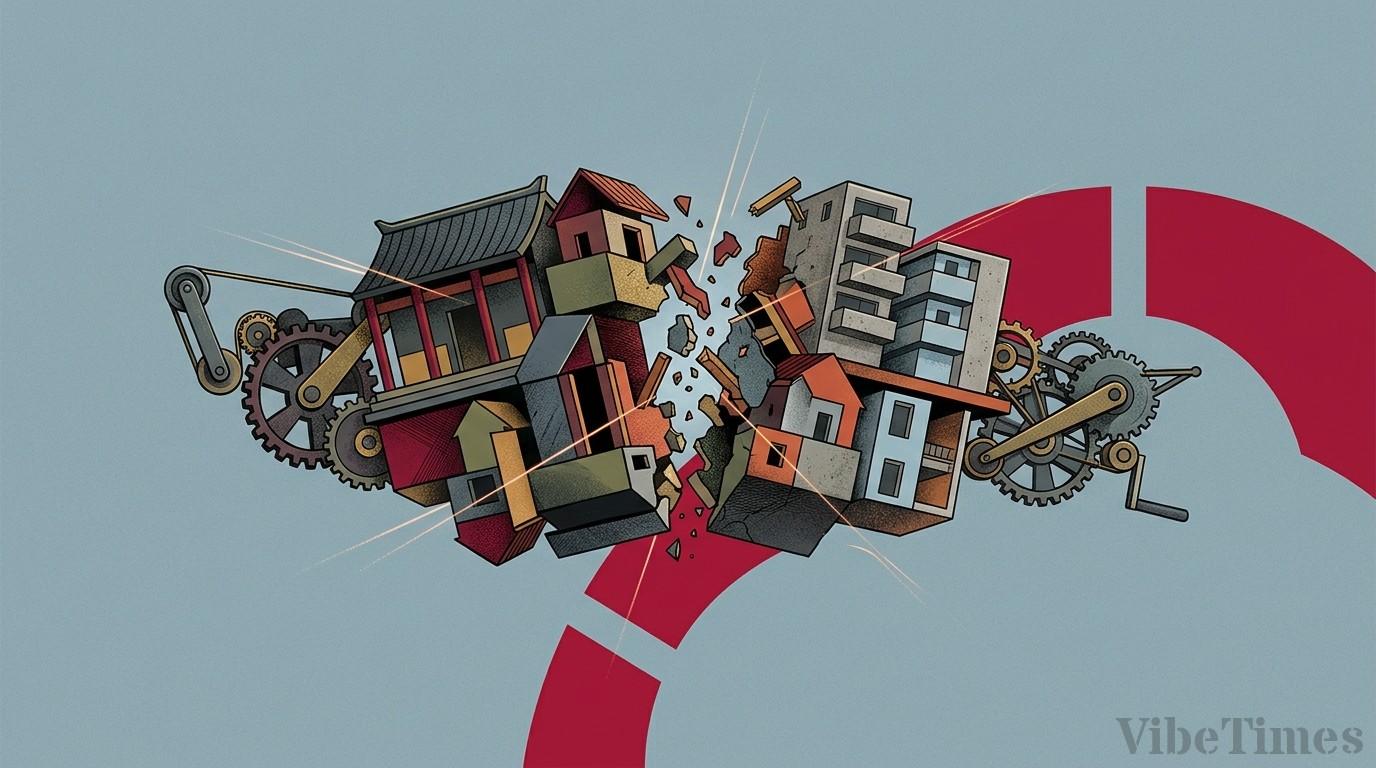
Sharp Conflict Over Government Tax Reform and Housing Supply Bills
The Democratic Party strongly urged the opposition on the 7th to "stop merely chanting for supply and cooperate in passing the housing supply bills promoted by the government and the Democratic Party," countering criticism from the People Power Party and Seoul Mayor Oh Se-hoon regarding the government's real estate tax reform plan. At a Supreme Council meeting held at the National Assembly that day, Democratic Party Floor Leader Han Byeong-do, who also serves as acting party leader, pointed out the limitations of the opposition's logic regarding expanding housing supply and demanded practical legislative measures. As key government measures aimed at stabilizing the real estate market, including the tax reform plan and related housing supply bills, fail to pass the National Assembly, political friction is intensifying.
The housing supply bills currently pending in the National Assembly focus on facilitating the rapid reconstruction of aging apartments in city centers and easing various regulations to support the construction of new housing. In particular, the core objective of this legislation is to diffuse subscription demand in densely populated areas, such as the metropolitan area, and curb the overall upward trend in housing prices. However, a consensus between the ruling and opposition parties remains elusive regarding the scale of tax cuts, specific scope of deregulation, and financial burdens on local governments, leaving the review process in a state of stagnation.
Debate and Political Divergence
The ruling Democratic Party maintains that expanding supply is the top priority for ensuring housing stability for the people. Acting Leader Han emphasized that to resolve market instability caused by supply shortages, bills must be passed quickly to secure supply volume. Conversely, he clarified that the government's tax reform plan must not be distorted into a measure that alleviates the tax burden on the wealthy. In response, the People Power Party countered by arguing that the government's announced tax reform is an essential measure to restore market vitality. The conservative opposition contends that since increased tax burdens could dampen corporate investment and stagnate real estate transactions, both regulations and taxes must be eased simultaneously to restore market function.
Amidst this inter-party conflict, criticism from civil society organizations and experts is mounting. There are concerns that pushing for excessive deregulation could stimulate speculative demand in the real estate market. Experts commonly diagnose that concentrating development profits in specific regions could trigger short-term price spikes rather than ensuring long-term market stability. Lee Jun-seok, leader of the Reformed Party, recently expressed deep concern over the forced passage of bills without proper design or comprehensive countermeasures during the legislative process. He criticized the ruling party's rush to pass legislation, arguing that it exacerbates market anxiety and public fear, and urged a systematic policy approach.
Economic Impact of Legislative Delay and Market Implications
As the processing of the bills delays, the group suffering the greatest blow is actual end-users (those buying homes to live in). As policy uncertainty grows, prospective buyers with funds are hesitating to enter the market, leading to a vicious cycle of rising Jeonse (lump-sum deposit) loan rates and monthly rent increases. According to recent household debt trend data from the Bank of Korea and the Ministry of Economy and Finance, as the "transaction cliff" phenomenon in the housing market deepens, the loan delinquency rate in the financial sector is showing a slight upward trend. This signifies that the housing supply bill acts as a key variable determining not just real estate policy but also the stability of the national macroeconomy and financial system.
Meanwhile, the industry is closely watching the impact of the government's tax reform plan on capital flows. If the burdens of property tax and comprehensive real estate tax are alleviated, holding costs decrease, which could suppress selling sentiment. Consequently, a positive effect of recovering transaction volume is expected to intersect with the side effect of liquidity tightening as listings vanish from the market. Therefore, investors also need to reassess their portfolios based on long-term cash flow and the actual start date of supply construction, rather than short-term profit realization.
Future Legislative Schedule and Institutional Outlook
The National Assembly is expected to accelerate practical consultations to table the relevant real estate bills at the plenary session during the upcoming regular session. Meetings of the ruling and opposition party floor leaders, along with the Legislation Subcommittee of the National Policy Committee and the Land, Infrastructure and Transport Committee, are scheduled to be held consecutively. However, if both sides fail to reach an agreement on tax rate adjustments and mandatory supply standards, the passage of the bills may be postponed to the next session.
Overall, policy consistency and reliability are paramount to resolving instability in the housing market. It is essential to find a balance between the government's fiscal soundness and the market's self-regulating function. There is an expectation that the ruling and opposition parties will set aside their respective political interests and craft rational bills that accurately reflect macroeconomic indicators and the actual housing burden on the people. If the legislative process proceeds smoothly and uncertainty is resolved, there is hope for the recovery of the stagnant construction economy and the normalization of a stable real estate market.