President Lee Jae-myung Orders Clarification of Scope for Labor Disputes Under 'Yellow Envelope Law'... Urges Ministry of Employment and Labor to Prepare Administrative Guidelines

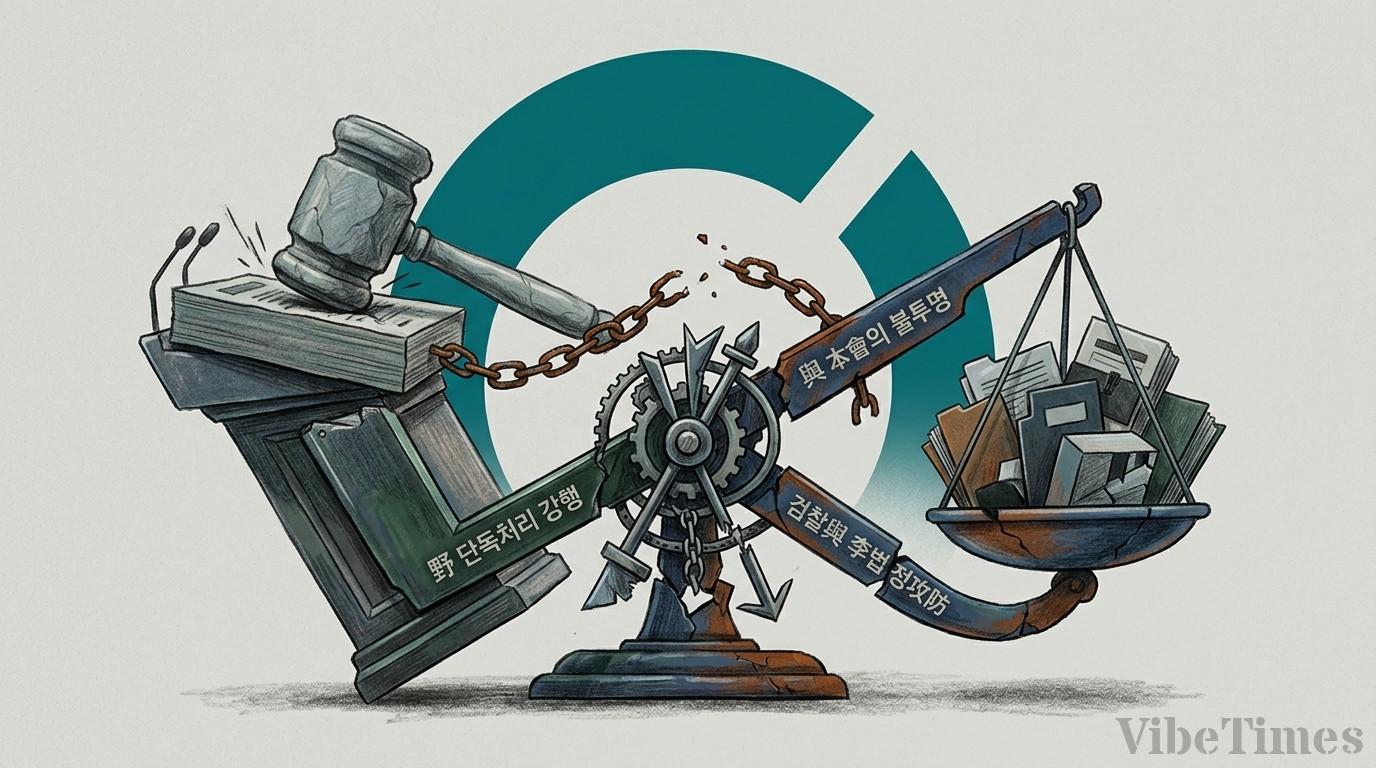
Lee Jae-myung Administration's Labor Policy Stance and Debate Over Scope of Labor Disputes Under 'Yellow Envelope Law'
President Lee Jae-myeng strongly instructed the Ministry of Employment and Labor to establish specific administrative guidelines regarding the amendment to the Labor Union Act, the so-called 'Yellow Envelope Law,' during a Cabinet meeting held at the Government Complex Sejong on the 11th. The core of this bill, which mandates a bargaining obligation for parent companies rather than direct employers, concerns the extent to which labor disputes—specifically actions like strikes—are permitted. Through his remarks at the Cabinet meeting, the President urged that standards be clearly specified through administrative legislation, such as enforcement decrees or Ministry ordinances, regarding clear targets of labor disputes. Emphasizing the need to "actively consider" the issue, he addressed the Ministry, which had shown a passive attitude toward defining the specific scope of labor disputes.
Background of Institutional Introduction and Impact on the Market
The 'Yellow Envelope Law' is a system that allows workers in subcontracting companies to request bargaining directly with parent companies when demanding wage increases or collective bargaining. The opposition and labor circles have consistently advocated for its introduction to guarantee the substantive bargaining rights of subcontracted workers. However, the industry has maintained an opposition stance, arguing that the management decisions of parent companies could be excessively constrained. In particular, concerns have been raised that if the scope of 'labor disputes' recognized as legal strikes becomes excessively broad, it could lead to production stoppages and massive supply chain disruptions for large corporations. According to figures presented by the President, the amount of delinquent taxes directly collected exceeds 63 billion won. This suggests the challenge of simultaneously securing fiscal resources and protecting corporate activities, requiring a search for policy balance between the two.
Economic and Investment Implications and Future Outlook
The government's move to clearly limit the scope of disputes through enforcement decrees is interpreted as a measure to lower visible investment risks for companies. Even if the bill passes, there is a high possibility of a compromise involving a limited scope rather than the full-scale bargaining obligations demanded by labor circles, should the targets of disputes be subject to negotiation in enforcement decrees. From an investor's perspective, it is time to re-evaluate the labor cost burden and strike risks in industries where subcontracting structures are deeply entrenched, such as large-scale manufacturing and construction. Following the principle that government policy must keep pace with the reality faced by the people, the focus is expected to be placed on resolving the polarization between large and small enterprises. Ultimately, the key variable will be the level of guidelines the executive branch presents to catch the two rabbits of labor market flexibility and worker protection.
