President Lee Jae-myung Secures Funding via Tax Reform to Foster 7 Advanced Technologies

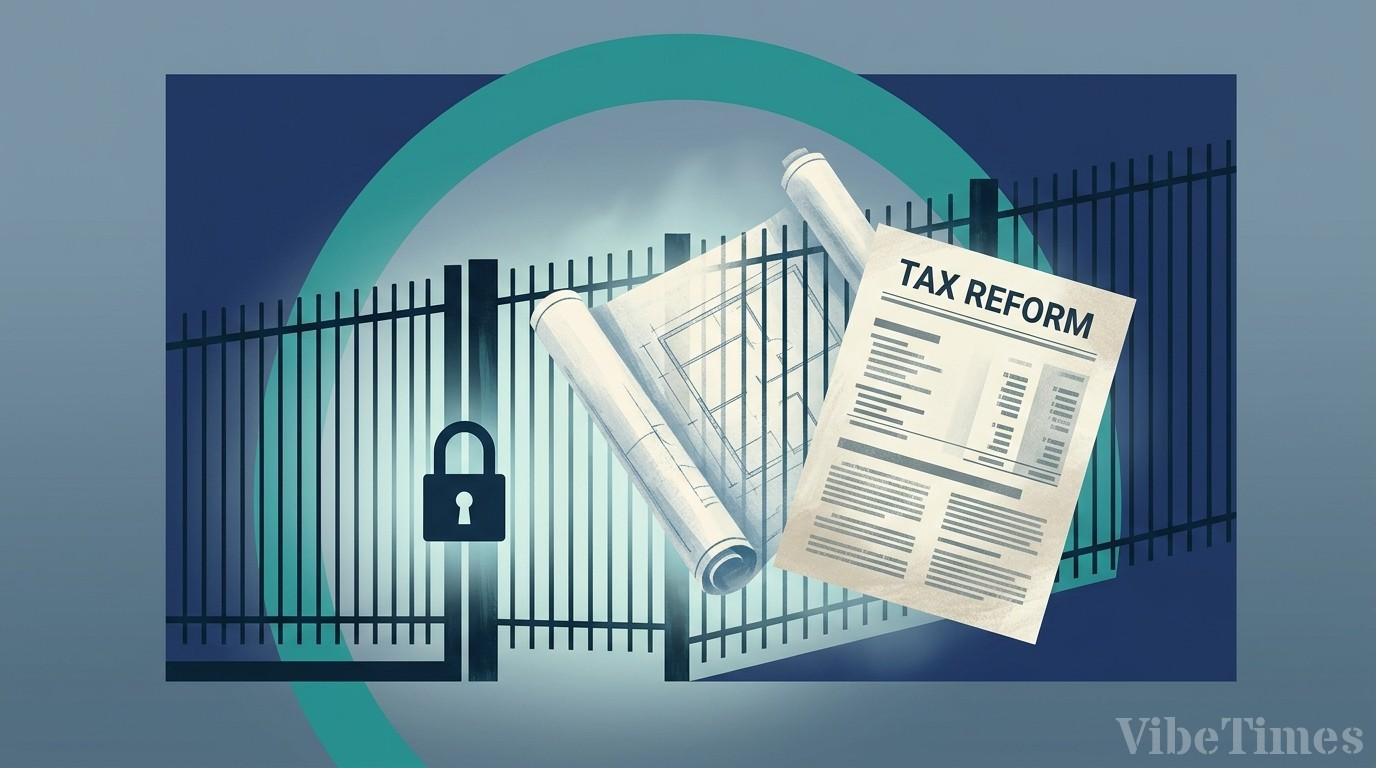
The Gears of the Lee Jae-myung Government’s Economy Hinge on ‘7 Advanced Technologies’ and Tax Equity
President Lee Jae-myung reaffirmed his strong commitment on the 12th to fostering seven advanced technologies as the next-generation growth engine to succeed semiconductors, presiding over a report meeting on future growth drivers at the Blue House. This represents a strategic vision to boldly break away from the past catch-up economic model and leap forward as a clear leader in the global market. However, securing realistic financial resources is essential for this grand blueprint to be realized. This is also why the Democratic Party of Korea held a general meeting of its lawmakers on the same day to enter into all-encompassing discussions regarding tax reform plans and real estate supply measures.
The Intersection of Political Vision and Economic Reality
During the report meeting, President Lee strongly ordered the discovery of new sources of income to follow semiconductors. The group of advanced technologies, dubbed the '7 SEEDs,' is set to serve as the core engine driving both South Korea's exports and employment moving forward. The government faces the fiscal burden of pouring enormous budgets and tax benefits into these sectors. To achieve the long-term vision of securing growth drivers, it must be backed by meticulous fiscal design that prevents unnecessary budget waste in the short term and boosts healthy tax revenues.
In this context, the Democratic Party's discussions on tax reform are interpreted as a request of the times. The Ministry of Economy and Finance and the National Assembly are moving to refine the tax structure, which is currently skewed toward the wealthy, to enhance equity. In particular, lawmakers from the Seoul area are closely watching the strict public sentiment regarding real estate tax reform, mindful of the upcoming elections. The funds secured by correcting the nation's revenue collection window will be recycled as capital for the future, specifically for investment in advanced technologies.
Impact of Sejong Administrative Capital Completion on Real Estate Supply
Real estate policy is one of the Lee Jae-myung administration's biggest political challenges. Rep. Song Young-gil recently diagnosed the key cause of the decline in President Lee's state affairs approval ratings as wavering real estate measures and retreating from campaign promises. President Lee's past remarks expressing a negative stance on the housing supply effects of reconstruction had previously dampened market sentiment. The administration faces the task of finding a policy balance between market stabilization through expanded land supply and deregulation and the demands of the existing support base.
The project to complete the Sejong City Administrative Capital sits at the center of this national land policy. According to Sejong Mayor Cho Sang-ho, the completion of the administrative capital has already been clearly reflected as a key state task of President Lee. At the Cabinet meeting on the 11th, he also expressed a clear determination to open the era of the Sejong government office within his term. This mega-project, designed to disperse the population and capital excessively concentrated in the capital area to the regions, will serve as a macro pressure valve to suppress real estate bubbles.
Strengthening Fiscal Health and Market Reaction
Administrative efforts to efficiently inject national funds are also gaining speed. As a result of the intensive operation of the Delinquency Management Team, the amount of immediately collected taxes alone exceeds 63 billion won. This has proven the achievement of replenishing the national treasury through meticulous collection. The secured budget leads to the creation of public jobs or investment in core technologies. Regarding the populism controversy raised by some over the expansion of public sector jobs, the administration defended the logic, arguing that there are many cases where high benefits are created that exceed the input costs.
The philosophy of policy starts from the principle that it must follow the reality of the people. President Lee has completely rejected the past method of forcing people's lives into established systems. It is a willingness to immediately reflect the rapidly changing economic structure and the grievances of citizens into policy. This proactive and flexible governance is evaluated as a key driver that will breathe vitality into the investment market in the future.
The future economic policy of the Lee Jae-myung administration depends on the harmony between the growth axis of fostering 7 advanced technologies and the stability axis of securing financial resources through tax adjustment. Whether the unstable factors in the real estate market can be gradually alleviated through balanced national land development, such as the relocation of the administrative capital, is expected to be a watershed for the recovery of state affairs approval ratings. If investment funds for growth drivers are stably raised, the South Korean economy is expected to achieve a structural improvement and leap to the next level by reducing its dependence on semiconductors.