August 25 Legislative Report: Bill for Special Counsel on 'Fabricated Indictments' Includes Right to Dismiss Indictments, Set for Handling Next Month

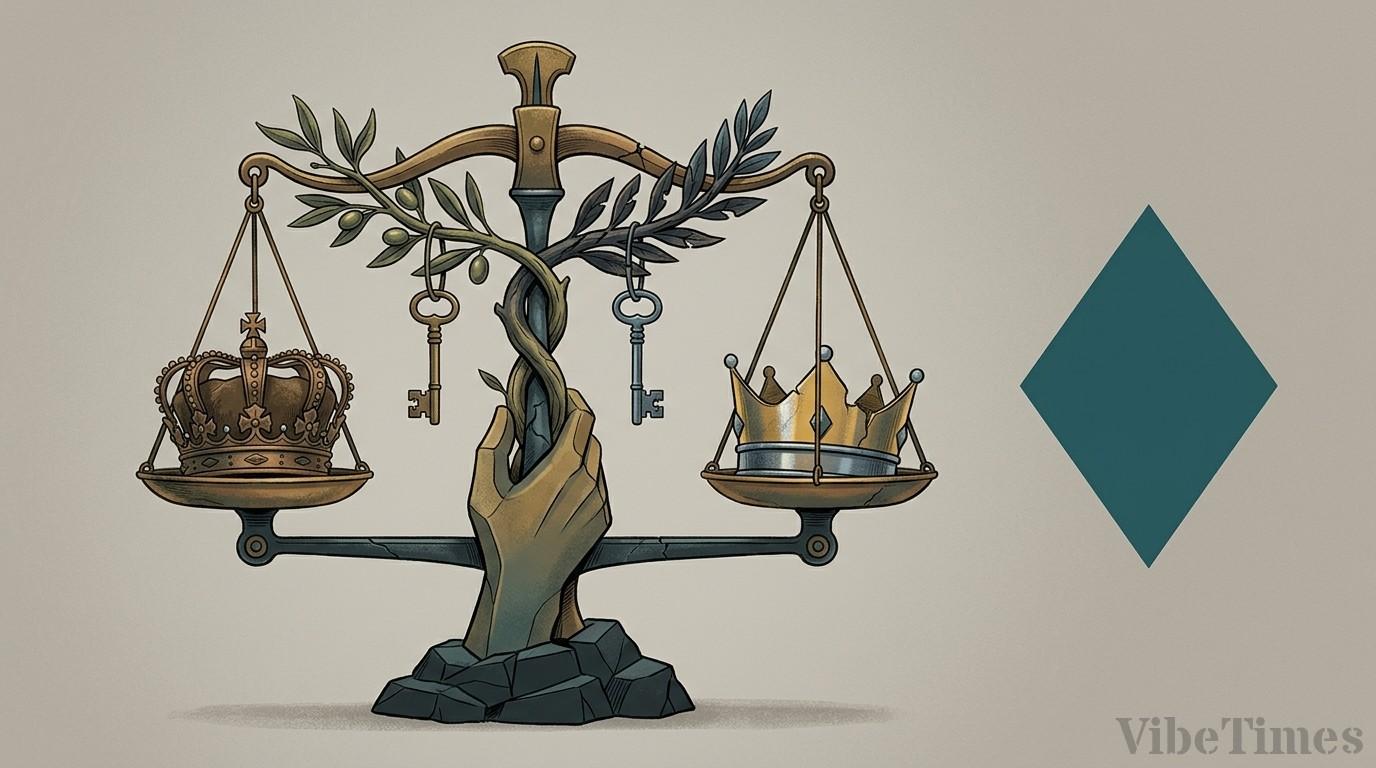
The biggest powder keg in the special counsel bill on fabricated indictments is the right to dismiss indictments.
As arguments for handling the bill at the Legislation and Judiciary Committee next month gain traction within the Democratic Party, the special counsel legislation—after a lull—is beginning to move again. Senior Spokesperson Park Sung-joon stated in a phone call with the Dong-A Ilbo on the 24th, "I conveyed my personal opinion that it would be good to process the special counsel bill on fabricated indictments at the Legislation and Judiciary Committee next month," adding, "Since various tasks, including the National Assembly inspection, pile up after October, next month is considered the right time." The judgment is that time determines the viability of the bill. However, with internal disagreement over whether to grant the special counsel the authority to dismiss indictments—effectively nullifying existing indictments—the party is walking a tightrope between legislative speed and content.
Special Counsel Bill Presented After State Affairs Probe Ends; Who Is the Target?
In April, after concluding the activities of the 'Special Committee on National Affairs Investigation into Allegations of Political Prosecution and Fabricated Indictments by the Yoon Suk-yeol Regime,' the Democratic Party introduced the special counsel bill, claiming "the full extent of the Yoon Suk-yeol regime's fabricated indictments has been revealed." The targets for investigation include numerous cases in which President Lee Jae-myung was implicated, such as suspicions regarding preferential treatment in the Daejang-dong development project and the remittance to North Korea by Ssangbangwool. In other words, the framework aims to re-verify the legitimacy of past prosecutorial investigations. If the right to dismiss indictments is added, the special counsel would hold substantive power to alter the course of existing trials, going beyond mere fact-finding. Dismissal of indictment is a system where the prosecution withdraws an already filed indictment, rendering the trial null and void; whether this power is transferred to the special counsel significantly changes the nature of the bill.
Within the party, voices are raising concerns about this specific point. Arguments are emerging that the right to dismiss indictments should not be granted. The logic is that granting the special counsel the power to effectively overturn judicial decisions disrupts the institutional balance. The People Power Party is even more blunt. On the 25th, the party strongly resisted the Democratic Party's attempt to pass the bill during the September regular National Assembly session, demanding "the push be stopped." While the confrontation between the ruling and opposition parties intensifies, the window for negotiations to pass the bill narrows significantly.
Ruling Party Leadership Dinner at Presidential Office and Adjusting the Speed of Prosecution Reform
Amidst this flow, the distance being measured between the President and the ruling party is notable. President Lee Jae-myung invited the Democratic Party leadership to the Presidential Office for a dinner and publicly mentioned the need to adjust the timing of discussions on prosecution reform. This is interpreted as a signal to prioritize rather than push all reform agendas at once. Considering that the special counsel bill on fabricated indictments is an extension of the prosecution reform discussion, the President's remarks are bound to directly or indirectly affect the schedule for processing the bill.
Pressure from the opposition is also fierce. Reform Party leader Lee Jun-seok stated, "President Lee Jae-myung is coming to resemble former President Yoon Suk-yeol," launching a direct attack on authoritarian behavior. Comparing a leader to a former president is a politically heavy attack. This criticism encapsulates the argument that the blade of investigation and reform directed at the prosecution is no different from that of past powers. This remark also shows how the special counsel bill and prosecution reform mesh with the opposition's logic of checks and balances.
Other Items on the Parliamentary Agenda…From Juvenile Offenders to the Expulsion Bill for Lee Jin-suk
The regular National Assembly schedule does not revolve solely around the special counsel bill. On the 25th, President Lee Jae-myung stated regarding the lowering of the age for criminal juveniles, "I hope a swift conclusion is reached," and even mentioned lowering sentences for serious repeat crimes by 1-2 years. As it is legislation that shakes the foundations of criminal policy, it is expected to emerge as one of the biggest points of contention in the September National Assembly. On the same day, the National Assembly's Committee on Operations passed a resolution urging the expulsion of People Power Party lawmaker Lee Jin-suk, who sparked controversy over disparaging the May 18 Democratization Movement, led by the ruling party, but the People Power Party boycotted the vote. There is a high possibility that conflict between the ruling and opposition parties will amplify during the plenary vote stage.
Public welfare bills are also moving differently. The People Power Party announced on the 26th that the revision to the Yongsan Park Special Act would not be processed at the plenary session. Supreme Spokesperson Choi Su-jin drew a line, saying, "We expect non-contentious bills to come up." This bill allows housing supply on parts of the Yongsan Park site; as discussions are ongoing between the Ministry of Land, Infrastructure and Transport and the Seoul Metropolitan Government, its designation at the plenary session was once postponed on the 20th. In the labor sector, Democratic Party lawmaker Park Hong-bae introduced a bill to protect night workers and delivery workers, guaranteeing a maximum of 10 hours of night work and ensuring 11 hours of consecutive rest. This creates a structure where political issues like prosecution reform and livelihood issues such as labor, housing, and criminal policy compete for the National Assembly schedule simultaneously.
Factional Landscape Revealed by Deviant Voting Within the Party
In this situation, the voting behavior of ruling and opposition lawmakers becomes another yardstick for gauging the likelihood of bill passage. The People Power Party has seen repeated instances of members breaking party lines during recent plenary votes. In the July 23 vote on the Public Health Management Act amendment, there were 38 votes in favor and 7 against, with lawmakers Kwak Kyu-taek, Park Su-min, Seo Il-jun, Seo Ji-young, Park Soo-young, Park Dae-chul, and Kim Hee-jong voting against. In the alternative bill for the Korea Rural Community Corporation and Agricultural Land Management Fund Act on June 18, 10 members including Kim Jang-kyeom, Yoo Sang-beom, Kang Sun-young, Kang Min-guk, Kim Do-eup, Park Dae-chul, Yoon Han-hong, and Seong Il-jong broke ranks, and on the same day for the Framework Act on Resource Saving and Recycling, 8 members including Kang Seung-gyu, Yoo Sang-beom, Kim Mi-ae, Shin Dong-wook, Kim Eun-hye, Park Soo-young, Kim Seung-soo, and Lee Chul-kyu cast votes against the party line.
There is a notable pattern. Rep. Park Dae-chul appeared on the defection list twice, and Reps. Yoo Sang-beom and Park Soo-young also appeared twice. This suggests not a one-off incident but a consistent difference in political lines. While the scale of defection remains around 10% of total seats, in bills where the ruling and opposition parties face close vote margins, it can be a decisive variable. For politically weighty bills like the special counsel bill or juvenile offender legislation, there is no guarantee that a minority defection within the party will not shift the existing balance of power.
September National Assembly: What Comes First?
In summary, the success or failure of the September National Assembly depends on three streams: whether the right to dismiss indictments in the special counsel bill is adjusted, the speed of prosecution reform discussions, and the volume of non-contentious bills available for negotiation between the ruling and opposition parties. As Senior Spokesperson Park Sung-joon pointed out, legislative time decreases significantly after October due to the National Assembly inspection. Therefore, September is effectively the longest window for legislation in the remaining first half of the regular session. The first hurdle will be whether the special counsel bill, after intra-party coordination over the dismissal right, passes the Judiciary Committee in a reduced form, or whether it enters another self-imposed moratorium linked to the phase of slowing down prosecution reform. It appears that the choice the ruling party makes—weighing the President's speed adjustment signal against the internal push for early processing—will determine the direction of the entire remaining National Assembly schedule.