Lee Jae-myung Appoints Four Prosecutors to Special Counsel for June 3 Ballot Shortage

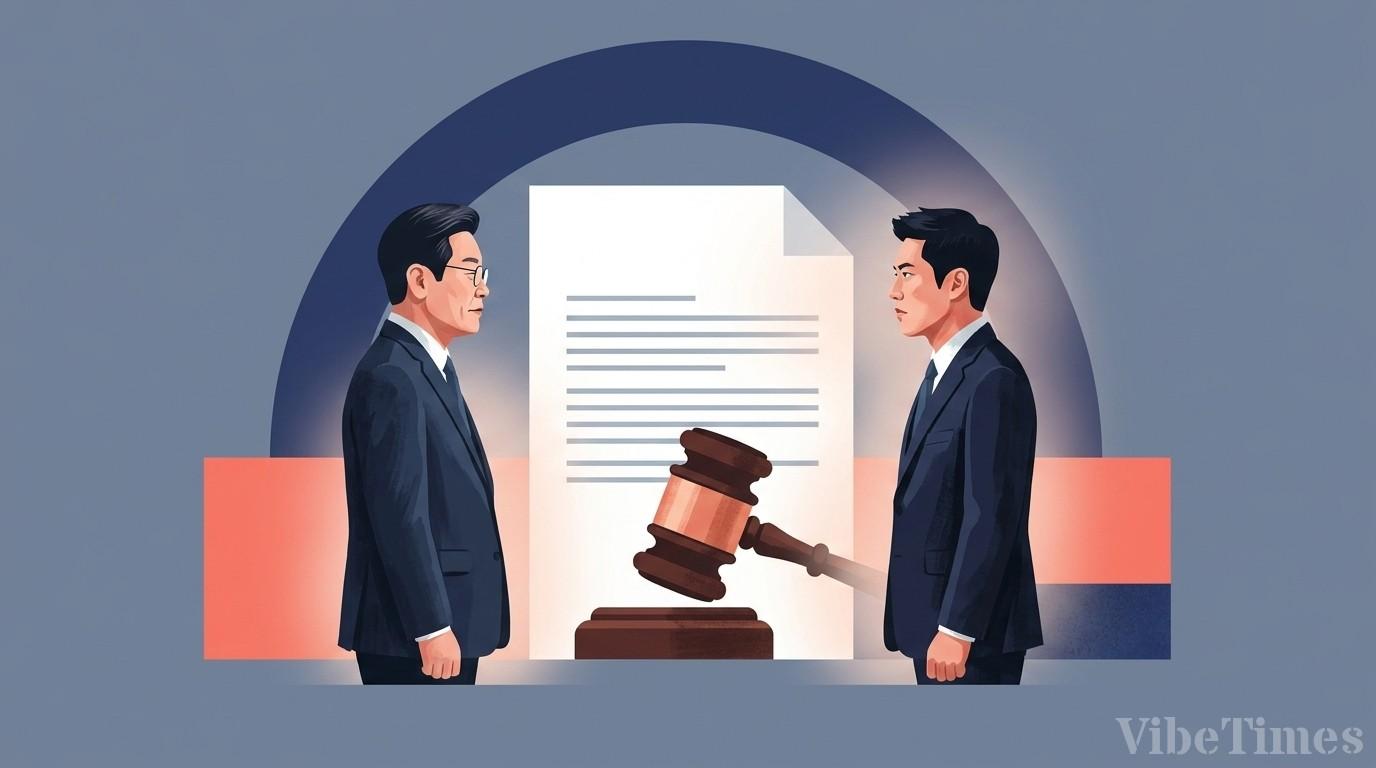
The political landscape has turned into one where a special counsel calls for a special counsel.
On the 1st, President Lee Jae-myung appointed five assistant special counsel members under Special Counsel Lee Tae-han of the National Election Commission (NEC), who is in charge of investigating the ballot shortage during the June 3 local elections. A day later, on the 2nd, People Power Party (PPP) Leader Jang Dong-hyun officially announced his plans to push for a parliamentary investigation and a special counsel to probe lobbying allegations regarding the approval process for single-stock leveraged ETFs. As the ruling and opposition parties clash over the establishment of investigative bodies—coinciding with the agenda for the first week of the regular National Assembly session—the conflict is expected to escalate.
Four of Five Assistant Special Counselors are Prosecutors… NEC Probe Accelerates
According to the NEC special counsel, the appointed assistant counselors are Park Hyuk (Judicial Research and Training Institute Class 22), Kim Eun-jeong (Class 38), Kim Sang-cheon (1st Bar Exam), Kwon Geun-hwan, and Kim Jin-woo. The core feature of this personnel selection is that four out of the five are former prosecutors. Since the success of a special counsel investigation often hinges on experience in large-scale cases and expertise in indictment decisions, the mass recruitment of prosecutorial personnel is interpreted as a move to lay the groundwork for the investigation early. However, there is room for critical views that a lineup dominated by former prosecutors may lead to habitual investigative practices.
The subject of the investigation is clear. It is the circumstances and responsibility regarding the delay in voting at some polling stations due to a shortage of ballots during the local elections held on June 3. The NEC's ballot supply management system and the performance of duties by related persons are expected to be included in the investigation scope. With the lineup of assistant counselors established, practical investigations such as summoning suspects and securing documents are expected to move quickly.
Opposition Moves to Uncover 'ETF Gate'… Passing Special Counsel Bill is First Hurdle
On the 2nd, Leader Jang personally urged former Senior Presidential Secretary for Policy Kim Yong-beom to appear as a witness regarding his resignation.
“You must definitely appear as a regular witness and reveal the truth at the state audit.” — Jang Dong-hyun, PPP Leader
The root of the suspicion lies in the process of allowing single-stock leveraged ETFs. This product is a high-risk derivative ETF that amplifies the price volatility of a specific stock by more than two times, and its introduction in Korea has been restricted due to investor protection logic. Leader Jang raised suspicions that Mirae Asset's lobbying influenced the approval decision and announced that he would push for both a state audit and a special counsel.
The obstacles are clear. The activation of a special counsel requires the passage and promulgation of the Special Counsel Act in the National Assembly. As the approval of a majority of incumbent members is required, without the consent of the Democratic Party of Korea, which holds a majority of seats, the bill itself is likely to stall at the introduction stage. A state audit also requires negotiation between the ruling and opposition parties during the resolution process, meaning the opposition party cannot unilaterally speed up the schedule based solely on its intent.
Internal Temperature Gap in PPP and Ruling Party's Rebuttal Logic
Strategic choices are divided within the PPP. A gap has been identified between the cautious faction, which suggests gathering evidence of suspicions through a state audit before moving to a special counsel, and the hardline faction advocating for the immediate introduction of a special counsel bill. A debate on practical benefits is also running in parallel. There are observations that since the prosecution is already investigating the Jeju-related incident, establishing a separate special counsel could be viewed as a duplicate investigation.
The Democratic Party emphasized, “With the opening of the regular Assembly, we will ensure that livelihood legislation does not stop due to confirmation hearings or that budget reviews are not delayed due to political strife.” With confirmation hearings following the August 30 cabinet reshuffle piling up, if the special counsel bill discussion clashes with budget and livelihood bill reviews, the confrontation is expected to intensify.
October State Audit is Watershed… Possibility of Drift Remains
The regular National Assembly opened on the 1st and entered a “100-day battle” over legislation, the budget, and confirmation hearings. The fate of the ETF special counsel is ultimately tied to the parliamentary schedule. Variables that will determine the speed of the special counsel bill's progress include whether former Senior Secretary Kim Yong-beom is adopted as a witness during the state audit in October and whether evidence supporting the lobby suspicions is submitted.
While the NEC special counsel has begun its investigation, the opposition party's request for a special counsel is likely to function as a means to maintain political justification. The ruling party is highly likely to counter with the logic of duplicate investigations. The unprecedented structure where two special counsels coexist in one National Assembly is predicted to divide the direction of the political landscape in September.