One in Three Veterinary Public Officials on the Front Lines of Livestock Quarantine Posts Remain Vacant

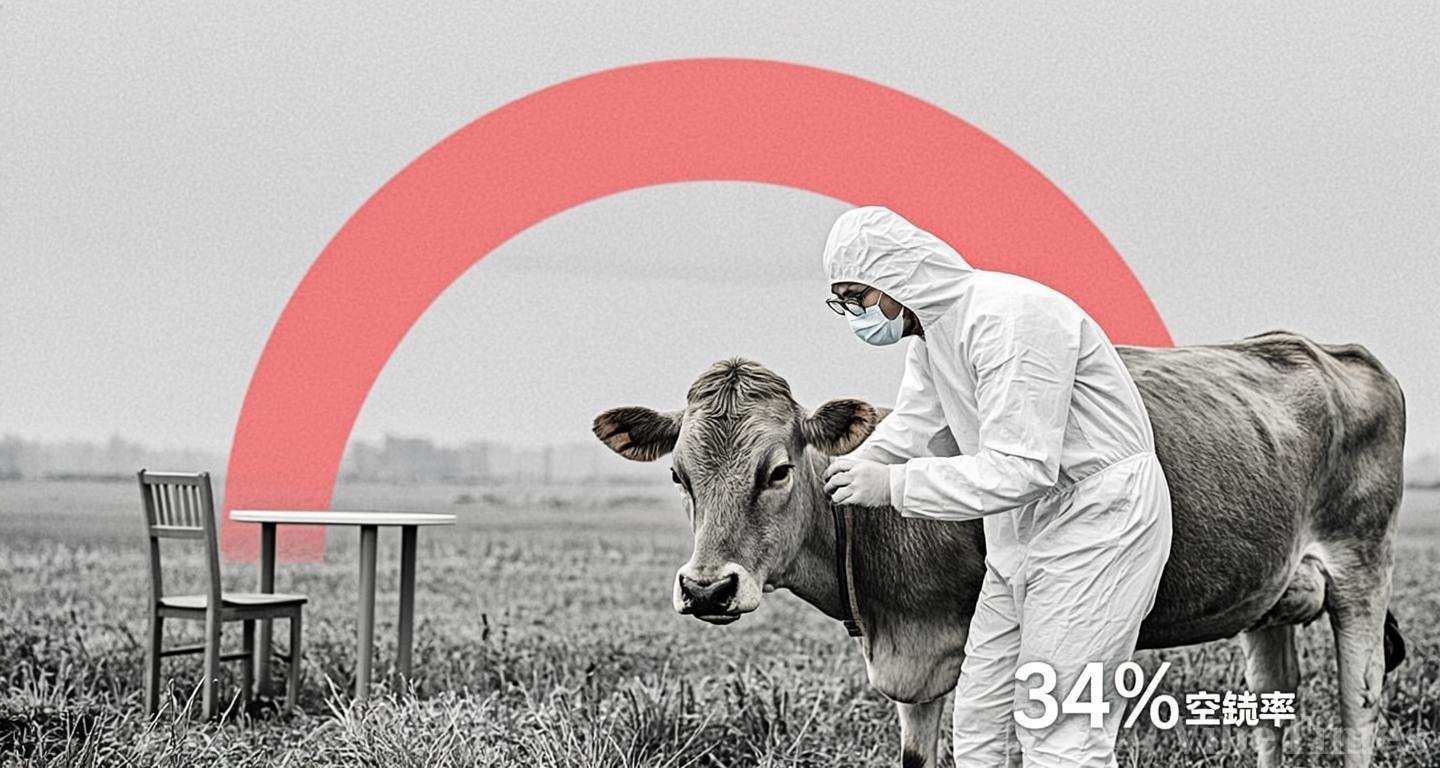
A Third of the Front Line in Livestock Quarantine Is Empty
The vacancy rate for veterinary public officials responsible for livestock quarantine exceeded 34 percent last year. According to data recently released by the National Assembly Research Service, the proportion of positions actually filled among authorized veterinary posts at cities, counties, and districts nationwide fell short by roughly one-third. Observers note that this is not merely a staffing shortage but a structural problem that collides head-on with the steadily rising frequency of livestock disease outbreaks.
The severity of the problem stems from changes in the quarantine environment. The Research Service diagnosed that livestock diseases such as highly pathogenic avian influenza (AI) and foot-and-mouth disease are occurring more frequently than before and spreading over wider areas. When there is insufficient personnel to carry out culling, movement controls, and disinfection in areas with concentrated farms, the initial response is delayed, and the scale of the damage inevitably grows. In fact, there have been several past instances in which a single quarantine failure led to losses in the livestock industry worth trillions of won.
Why Aren't Veterinary Public Official Positions Being Filled?
Behind the 34 percent vacancy rate lie problems of compensation and structure. Licensed veterinarians have little incentive to choose local government positions. As pay and promotion prospects lag behind those of private veterinary clinics or corporate research jobs, quite a few local governments struggle to attract even a handful of applicants despite posting openings. Moreover, while social demand for veterinarians has grown as livestock operations expand and pet ownership rises, authorized staffing levels in the public sector have failed to keep pace.
The limits of local government budgets and personnel authority also pose obstacles. At the city and county level, it is common for one or two veterinary officials to handle quarantine inspections for dozens of farms simultaneously. When staffing is insufficient, vaccinations and regular inspections are delayed, ultimately undermining the fundamental principle of quarantine: early containment of infectious diseases.
Legislative Response and Direction of Discussion
The fact that the Research Service compiled these conditions in a report is interpreted as reflecting the recognition that institutional improvements at the National Assembly level are needed. Three broad alternatives can be discussed: gradually expanding authorized veterinary positions in line with quarantine demand; improving working conditions and pay to enhance recruitment competitiveness; and legislating a cooperation framework that allows private veterinarians to be mobilized in emergency situations.
However, the issue of securing funding remains. Since expanding positions and improving compensation directly burden local government finances, consultations on state funding methods and resource allocation are essential. Discussions on related legislation and budget allocations are expected to intensify in the relevant National Assembly committees, and an effective staffing plan can only be guaranteed if it is designed in tandem with the quarantine budget.
Remaining Challenges for the Livestock Industry and Food Safety
Livestock quarantine is directly tied to the livelihoods of farming households and carries a public-good character that determines the safety of the nation's dinner tables. A 34 percent vacancy rate is a warning sign of crisis—if action is delayed, the cost of recovery could be far greater. Experts advise that, alongside securing personnel, the country should pursue digitalization of quarantine fieldwork and a shift toward prevention-centered systems such as a biosecurity grading system for livestock facilities.
Whether revisions to the Prevention of Livestock Epidemics Act or related budget bills incorporating staff expansions pass during the regular parliamentary session is a key point to watch. The difference in cost and effectiveness between increasing personnel after an outbreak and doing so in advance has already been proven by repeated quarantine failures. The question now is whether prevention will be chosen this time.
