7-Year Prison Term Finalized for Vendor Who Made 1.9 Billion Won Selling Wiretapping Apps

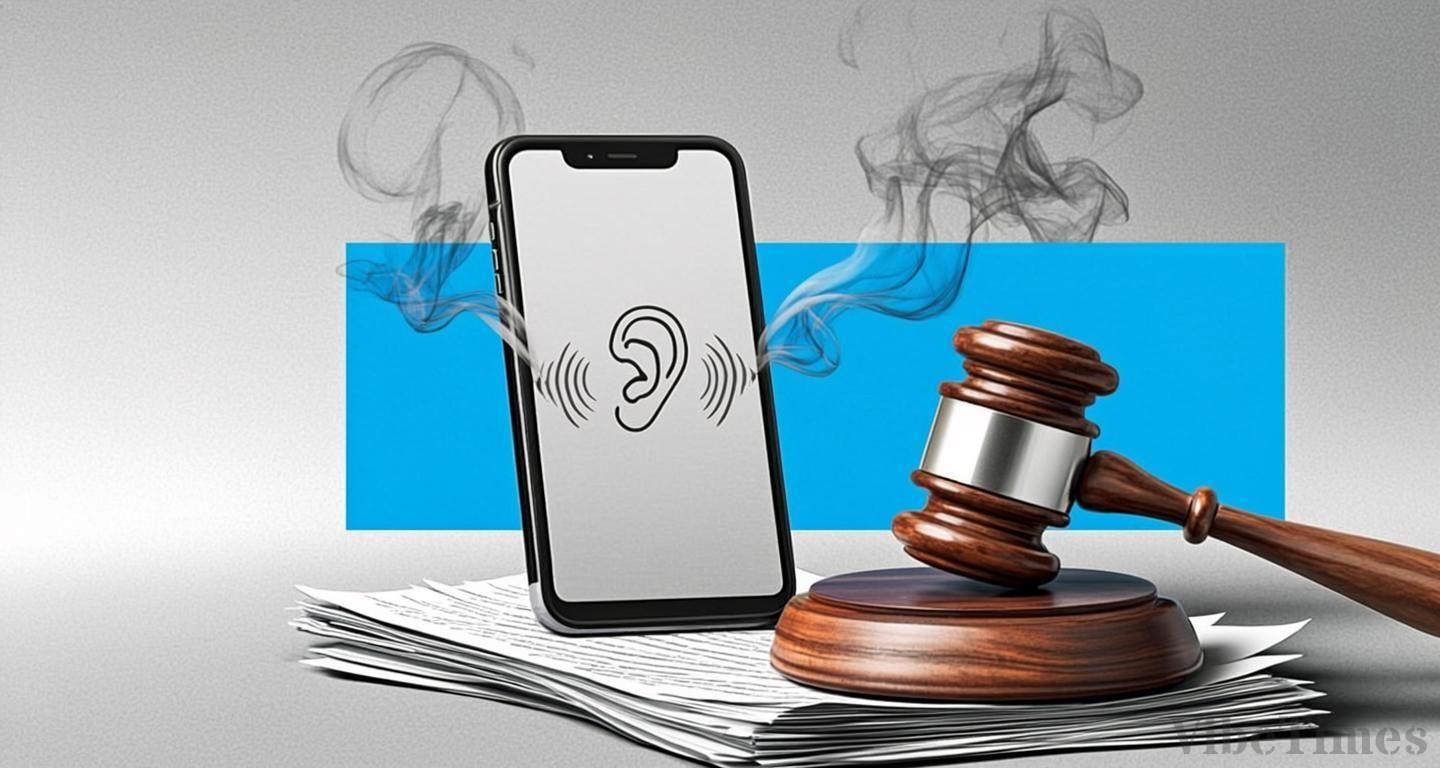
A, the operator of a business that made nearly 1.9 billion won selling illegal apps used to secretly tap into mobile phones, has had a 7-year prison sentence finalized. The app was advertised as allowing users to secretly monitor their spouses' or partners' conversations and locations. Here is a closer look at the app and the severity of the court-imposed punishment.
The Supreme Court's Second Division (presided over by Justice Oh Kyung-mi) recently finalized the lower court ruling sentencing A to 7 years in prison, a 5-year suspension of qualifications, and forfeiture of 1.97 billion won. A and others were indicted for selling such apps from January 2019 to November 2024, secretly recording others' conversations and collecting and providing location data without the consent of those involved (violation of the Communications Secrets Protection Act).
Once installed on the target's mobile phone, the app transmitted GPS location, messages, and call content to the company's server in real time, and its icon was hidden from the screen, making it difficult for the target to notice. A and others promoted the app with phrases like 'a program to monitor your spouse's or partner's infidelity,' charging fees of 500,000 won for one month, 1.5 million won for three months, and 2.8 million won for six months after a free trial.
The investigation found that approximately 6,000 people downloaded the app, of whom about 1,000 purchased it. A and others were found to have illegally recorded approximately 120,000 call files and earned about 3.4 billion won in revenue.
The first-instance court found A guilty and sentenced him to 7 years in prison. A appealed, arguing that he had only sold the app and that the recordings were made by the buyers, denying the establishment of joint principal liability. However, the appellate court dismissed the appeal. The appellate court found that a sequential and implicit conspiracy with the app buyers, as well as functional control over the acts, had been established. It determined that A and others had contributed essentially to the crimes, given that the app itself inherently provided call recording and playback functions, that they emphasized the eavesdropping features in their advertising, and that they even instructed customers on how to install the app covertly during consultations.
A again appealed the ruling to the Supreme Court, but the top court found no errors in the appellate court's judgment and dismissed the appeal. This finalized A's 7-year prison sentence.