Why You Feel Sleepy During the Day but Can't Sleep at Night

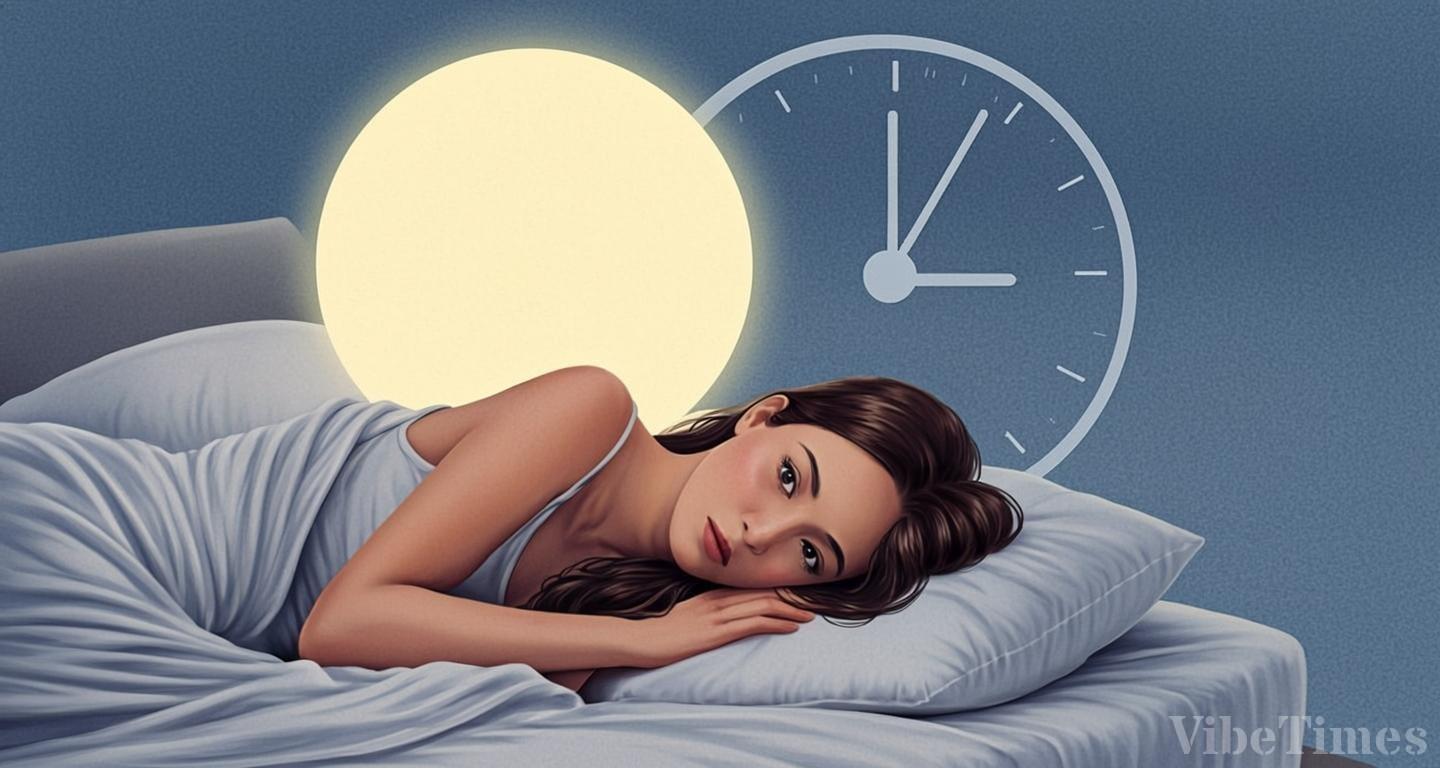
Feeling sleepy during the day yet unable to sleep at night is not a matter of willpower—it is a sign that your body clock has been thrown off balance.
Sleep pressure that should build up in the brain during waking hours leaks away through daytime naps, while the timing of melatonin secretion keeps shifting later, leaving the body unable to distinguish day from night. The Korean Sleep Research Society recommends 7 to 9 hours of sleep for adults, yet 30 to 40 percent of Korean adults experience insomnia symptoms. Within this reality, this vicious cycle is not personal laziness but a correctable physiological problem. By pinpointing the exact causes and implementing three strategies—morning sunlight, nap control, and redesigning your evening routine—improvement is possible within 2 to 4 weeks.
The Structure of the Vicious Cycle: Naps and Nighttime Insomnia Together
How Sleep Pressure Gets Released Early Through Naps
While you are awake, a substance called adenosine accumulates in the brain, and it is this buildup that brings on sleep at night. Napping more than 30 minutes during the day relieves this pressure, eliminating the drive to fall asleep at night. As a result, you feel even more exhausted the next day after a poor night's sleep, and the naps grow longer.
Compounding this is the poor quality of daytime sleep. Sleep taken in the morning or during the day struggles to reach deep sleep stages due to light, noise, and body temperature changes. This is why the body still feels unrested even after a long nap.
Why the Melatonin and Cortisol Schedules Get Out of Sync
A late-night lifestyle and evening smartphone use cause delayed sleep phase syndrome, in which melatonin secretion shifts progressively later. At the same time, cortisol reversal—where cortisol, a wakefulness hormone that should be secreted in the morning, is overproduced at night—leaves the body alert at night and groggy in the morning. This is the result of the entire rhythm of light, temperature, and activity being thrown off course.
Hidden Causes in Habits and Environment
An Afternoon Cup of Coffee Eats Away 5–6 Hours of Nighttime Sleep
Caffeine has a half-life of 5 to 6 hours. Half of the coffee you drink at 2 p.m. is still in your body at 8 p.m. Because caffeine blocks adenosine receptors and interferes with the formation of sleep pressure itself, cutting off caffeine after lunch is the first step. Caffeine-sensitive people should stop even earlier, after noon.
Evening Blue Light Suppresses Melatonin by Up to 80 Percent
Exposure to smartphone and TV screens before bedtime suppresses melatonin secretion by 50 to 80 percent. According to Harvard University research, morning light exposure advances evening melatonin secretion by 2 to 3 hours. Conversely, this means evening screens delay it by just as much.
The problem is total light exposure. The average daylight exposure of modern people living indoors is only one-tenth that of outdoor workers. The worst combination—insufficient light during the day and excess artificial light at night—shakes up the body clock.
If Habit Correction Fails, Suspect an Underlying Condition
Sleep apnea, hypothyroidism, depression, and anxiety disorders all cause daytime sleepiness and nighttime insomnia simultaneously. If snoring or pauses in breathing have been observed, sleep apnea should be suspected; if uncomfortable legs prevent you from falling asleep, restless legs syndrome may be the cause. In these cases, lifestyle changes alone will not solve the problem, and professional diagnosis such as a polysomnography is needed.
Three Actionable Strategies to Reset Your Body Clock
Sunlight for 10–30 Minutes Within an Hour of Waking Is the Most Powerful Tool
Morning sunlight, at a brightness of 2,000 lux or more, halts melatonin secretion and sets the timing of the next melatonin release 14 to 16 hours later. Even outdoor light on a cloudy day is far brighter than indoor lighting and remains effective. It has no side effects, costs nothing, and offers the most lasting results of any method.
Limit Naps to Before 3 p.m. and No Longer Than 20 Minutes
Rather than eliminating naps entirely, controlling them is the more realistic approach. A nap of 20 minutes or less before 3 p.m. restores afternoon alertness without significantly reducing sleep pressure. Exceeding 30 minutes triggers sleep inertia, leaving you groggier and worsening nighttime insomnia.
There are also alternatives when drowsiness strikes. According to sleep medicine research showing that a 10-minute walk produces alertness effects comparable to a cup of coffee, you can replace daytime naps with a light walk, stretching, or climbing stairs. If quitting coffee is difficult, gradually tapering from black tea to green tea and then to caffeine-free herbal teas like chamomile is another option.
Fix Your Wake-Up Time and Redesign Your Evening Routine to Reclaim the Night
Fixing your wake-up time within a ±30-minute window, including weekends, stabilizes the body clock. In the evening, take a 15-to-20-minute warm bath at 38–40 degrees Celsius one to two hours before bed, and turn off digital devices or minimize brightness on night mode one hour before sleep. Finish meals at least three hours before bedtime.
For the bedroom, sleep medicine standards call for a temperature of 18–22 degrees Celsius, humidity of 40–60 percent, and complete darkness. If sleep does not come within 20 minutes, use the stimulus control technique: leave the bedroom, do a boring activity in dim lighting, and return only when sleepy. The goal is to condition the bed as a place for sleep.
The Cost of Neglect: Health Risks and When to See a Doctor
Chronic Sleep Deprivation Raises Disease Risk by 20–50 Percent
Studies accumulated between 2023 and 2024 show that chronic sleep deprivation raises the risk of obesity, diabetes, dementia, and cardiovascular disease by 20 to 50 percent. If daytime sleepiness is dangerously increasing your risk of accidents while driving, this is a problem that cannot be put off any longer.
Seek a Sleep Clinic If Symptoms Persist Longer Than Three Months
The American Academy of Sleep Medicine recommends cognitive behavioral therapy for insomnia (CBT-I) as the first-line treatment over medication. The core of it is sleep restriction therapy—staying in bed only for the hours you actually sleep, then increasing bed time by 15 to 30 minutes every one to two weeks. While drowsiness intensifies at first, sleep patterns stabilize after 2 to 4 weeks.
Supplementary options include 0.5 to 3 mg of melatonin or 200 to 400 mg of magnesium taken one to two hours before bed. However, sleeping pills require a doctor's prescription, and long-term use raises concerns about dependence and dementia risk, so increasing the dosage on your own is dangerous. If symptoms persist for more than three months or are accompanied by depression or anxiety, seeing a sleep clinic, neurologist, or psychiatrist is the standard course of action.
In one line: make the day bright and active, and the night dark and quiet. Realigning the rhythms of light, temperature, and activity is the only fundamental solution for restoring the quality of your sleep.