Brazilian stocks plunge 17% as Lula's reelection confirmed... Circuit breaker triggered for first time in 6 years

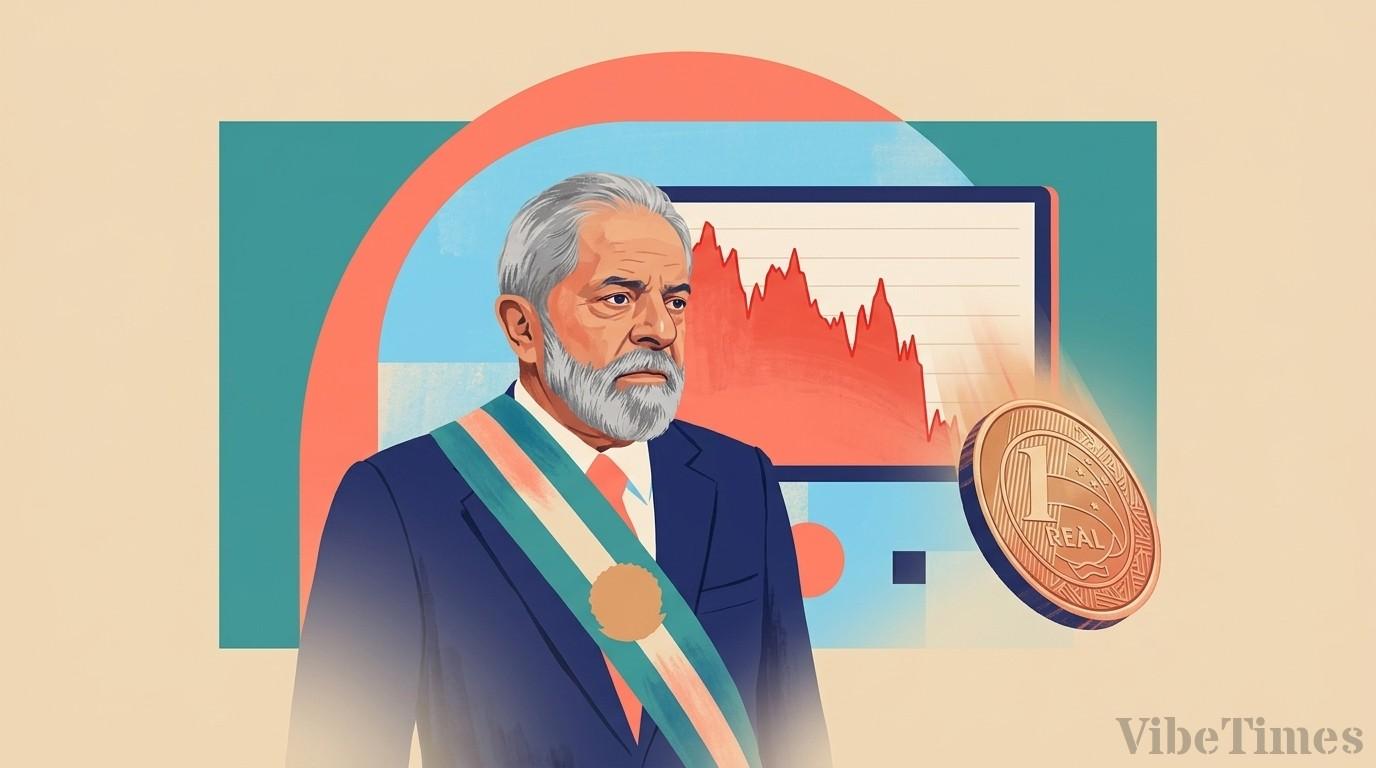
Brazil's financial markets were rocked on October 26 after President Luiz Inacio Lula da Silva secured a fourth term. The Ibovespa index plunged 17% in early trading, prompting a 'circuit breaker' — a temporary halt in trading to protect investors — for the first time in 6 years and 7 months since the COVID-19 pandemic. The real also tumbled sharply, with the real-dollar exchange rate soaring 10.26% from the previous session to 5.498 reais per dollar. At one point during the session, the rate climbed as high as 5.604 reais, up 12.37%.
The market turmoil also spilled over into the interest rate futures market. January 2027 DI deposit rate futures rose 0.3 percentage points, while January 2031 futures jumped 3.07 percentage points. Stocks, currency, interest rates, and the country risk premium all moved in the same direction within a single day.
Analysts said the volatility reflected growing market concerns that an extension of President Lula's rule could worsen the country's debt ratio through expanded subsidies and fiscal spending. The dramatic swings came as markets interpreted Lula's fourth term as raising the prospect of increased fiscal burdens. Upcoming announcements on the Brazilian government's fiscal policy are expected to become the benchmark for judging whether markets will stabilize.