Busan MBC's Saturday News Desk delivers economic news

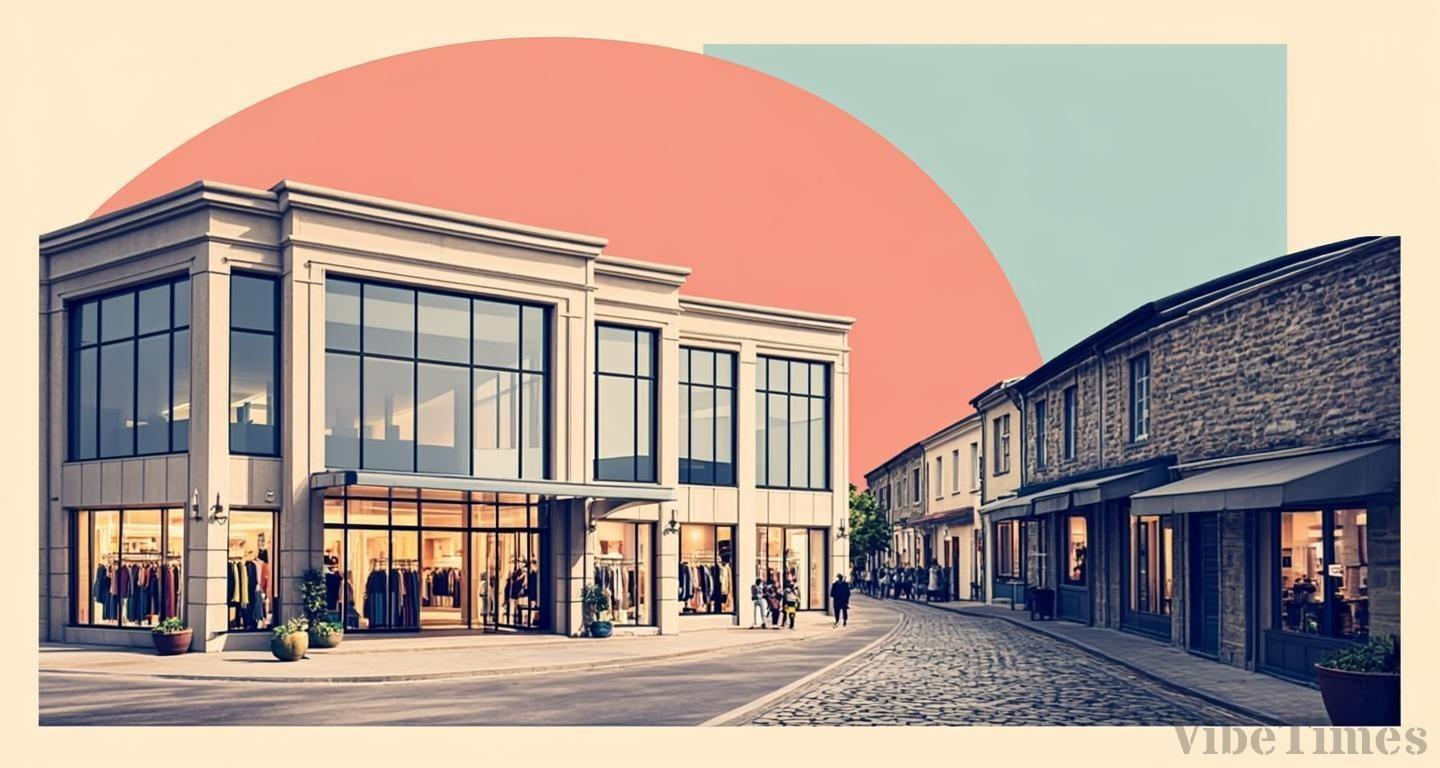
In Busan, department store sales are rising while neighborhood retail shops such as supermarkets and convenience stores are seeing revenue decline, revealing a stark polarization. With domestic consumption shrinking overall, the struggles of small business districts are deepening.
Lee Sook-kyung, who opened a supermarket 11 years ago, weathered the COVID-19 crisis, but said her sales have fallen by about 30% over the past two months. "The reality is that neighborhood commercial districts are truly collapsing—there are hardly any stores left that even cover labor costs," she said.
Last year, the retail sales index for supermarkets, general stores, and convenience stores in the Busan area stood at 87.3, down about 9% from four years earlier. Department stores, by contrast, posted 133.2, up about 12% over the same period. In the second quarter of this year, the retail sales index rose for both department stores and supermarkets and convenience stores, but the increase was larger for department stores. Kim Young-seok, head of the office at the Association for Saving Small Business Owners, analyzed: "Department store sales surged on luxury purchases, while for supermarkets and convenience stores, consumption by ordinary citizens itself has declined."
The city of Busan has implemented 100-day emergency livelihood measures, including support for low-interest loans in the 1% range for small business owners. Merchants are calling for measures to revive neighborhood commercial districts, such as expanding local currency programs, beyond loan-centered financial support.
