Despite Democratic Sweep, Trump's Tariff Stance Set to Continue

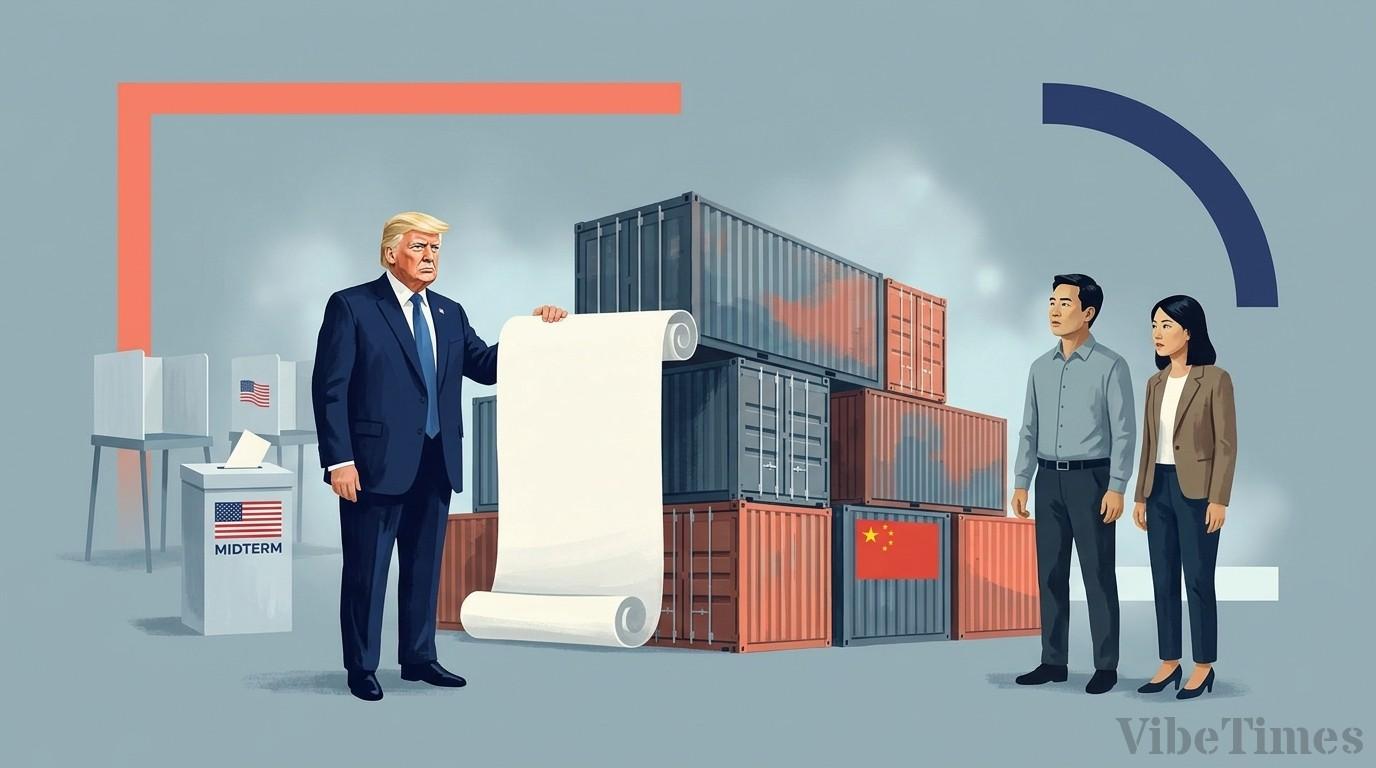
Although the Democratic Party captured both chambers of the U.S. Congress, analysts expect the Trump administration's tariff policy to remain unchanged. Since tariffs—taxes levied on imported goods—directly affect consumer prices and the earnings of exporting companies, the future direction of U.S. policy is a matter of keen interest for the Korean economy as well.
The Korea Trade-Investment Promotion Agency (KOTRA) published a report titled "2026 U.S. Midterm Election Results and Implications" on the 4th. The report concluded that the Donald Trump administration's tariff policy and its pushback against China will continue.
After the U.S. Supreme Court ruled in February that reciprocal tariffs based on the International Emergency Economic Powers Act (IEEPA) were invalid, the Trump administration has pursued replacement tariff measures using Section 232 of the Trade Expansion Act and Section 301 of the Trade Act, among others. The report predicted that even if the Democrats, who now control both chambers, pursue legislation restricting the president's tariff authority, President Trump is likely to veto any contentious bills.
The report also analyzed that advanced technology export controls targeting China and outbound investment regulations would continue under existing frameworks.
Meanwhile, areas where bipartisan consensus has formed could present opportunities for Korean companies. In shipbuilding, the report noted, both parties jointly sponsored legislation to rebuild the industry, and House passage of a National Defense Authorization Act containing provisions on subsidies for shipyard investment is expected by year's end. In the semiconductor sector, the key question is whether the equipment investment tax credit (up to 35%), set to expire at year-end, will be extended—and both parties favor an extension, according to the report.
The report also noted that both parties have reached consensus on expanding the power transmission grid regarding electricity and water supply for data centers. It pointed out that since factory construction and power grid projects are also influenced by state governments' tax policies and permitting, attention should be paid to states like Georgia and Texas—where Korean companies have invested heavily—given that the governor's party has changed. The report further advised distinguishing between new legislative discussions and existing support programs, and prioritizing confirmed benefits when drawing up investment and procurement plans.
