Iran publicly pushes back against compromise plan to expand the Cheonghae unit

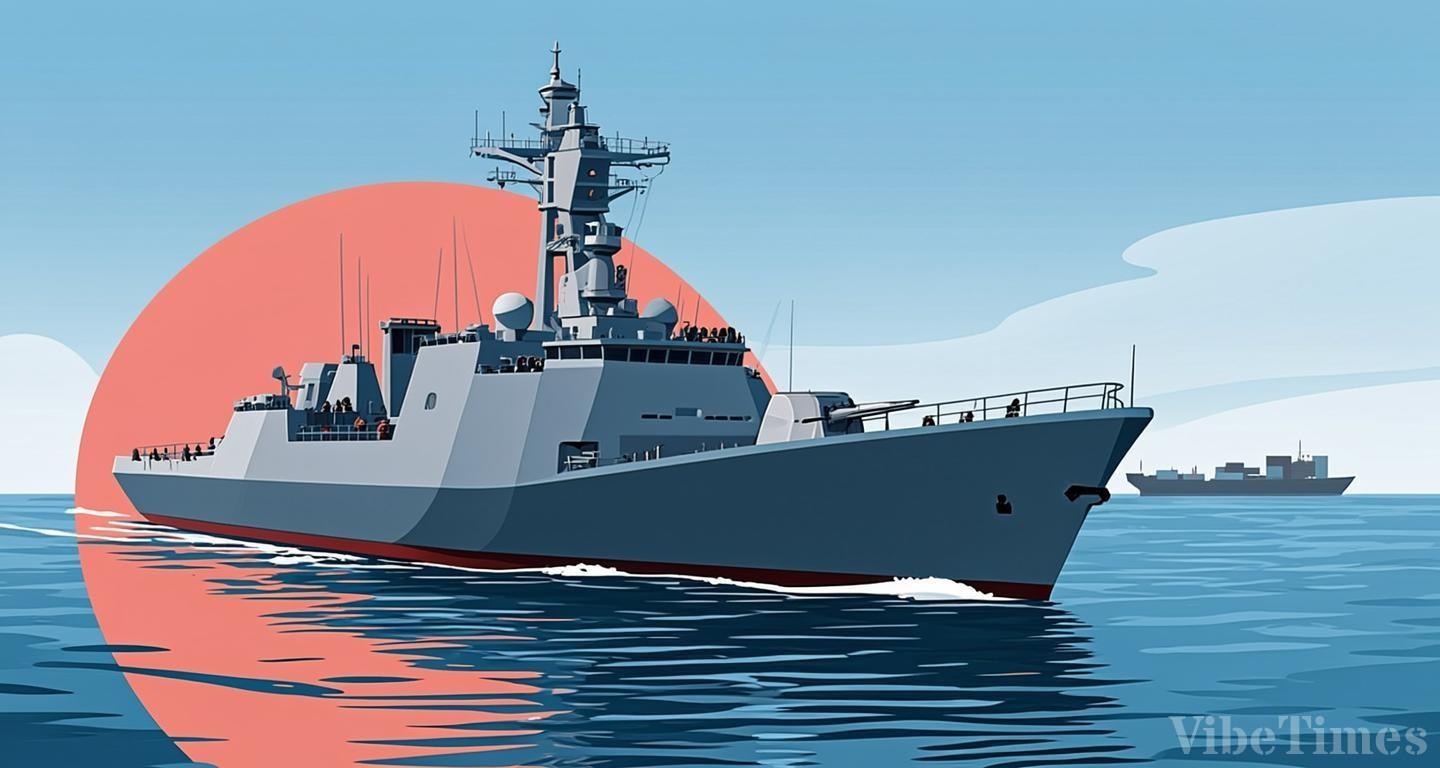
Iran Reacts to Compromise Plan to Expand the Cheonghae Unit
A compromise intended to placate public opposition to a troop deployment instead triggered a diplomatic rift. When the government proposed expanding the Cheonghae unit's mission and operational scope rather than sending additional troops, Iran — which has opposed any deployment itself — voiced its displeasure openly. Interpretations from the ruling and opposition parties also diverge sharply. The opposition has labeled the plan a "backdoor deployment" and questioned its procedural legitimacy.
The Cheonghae unit is a South Korean naval contingent that has been escorting vessels in the Gulf of Aden and the Arabian Sea. Its original purpose was counter-piracy, but as tensions in the Middle East have escalated, the scope of its mission has been repeatedly reconsidered. A full-scale deployment carries heavy burdens in terms of domestic public opinion and the National Assembly approval process. Conversely, a passive response strains alliance relations. The compromise is seen as a choice born of this dilemma.
The Core Issue: Deployment or Not?
Iran's objection goes beyond mere diplomatic grumbling. Tehran's argument is that expanding the Cheonghae unit's mission amounts, in effect, to a buildup of forces. Even without the formalities of a troop deployment, critics note, the outcome is the same if the scale and role of forces on the ground grow. Analysts say this is a natural reaction from Iran's perspective, given how sensitively it monitors every foreign military presence operating in Middle Eastern waters.
Domestic political skirmishes are also heating up. The opposition criticizes the government for aiming at a de facto deployment while evading National Assembly approval — hence the label "backdoor deployment." The government and ruling party, meanwhile, maintain that it is merely an operational adjustment within the existing mission scope, not a new deployment. The issue ultimately boils down not to legal procedure but to a judgment about its substantive nature.
As the old adage goes, politics abhors a vacuum — and a space that is neither full deployment nor outright refusal will inevitably be filled by other actors' interpretations. In this case, that space was filled by Iran's objections and the opposition's offensive.
Diplomatic and Security Ripple Effects
The Middle East is the lifeline of South Korea's energy supply. A substantial portion of crude oil imports passes through the region. A deepening rift with Iran could directly affect the stability of shipping through the Strait of Hormuz. Market variables such as oil price swings cannot be ignored either. Ironically, the compromise plan could end up amplifying security risks rather than reducing them.
A different calculus applies on the alliance front. For the United States and other partners who have called for contributions to stability in Middle Eastern waters, an expanded role for the Cheonghae unit is a positive signal. The problem is the structural trade-off: appeasing one side provokes the other. The key question is whether the Foreign Ministry can dispel Iran's misunderstanding.
In the short term, the intensity of Iran's protests and calls for verification at the National Assembly are expected to proceed in parallel. The opposition is likely to demand documents detailing the specific scope and legal basis of the mission expansion, weighing options such as parliamentary inspections and hearings. With public opinion sensitive to deployments, the government will also have to keep up a defensive explanations.
In the medium term, the sustainability of the compromise will be tested. If Iran escalates its objections and maritime tensions rise, the mission expansion could come to be seen as a de facto forward deployment. In that case, procedural controversy would reignite and the question of National Assembly approval would likely resurface. Ultimately, the success of the Cheonghae expansion hinges not on the military measure itself, but on how well two tasks are balanced: diplomatic management of relations with Iran and domestic political consensus.