Crowdfunding Report for November 15: Nowhome Vacuum Cleaner Ranks First at 18.75 Million Won

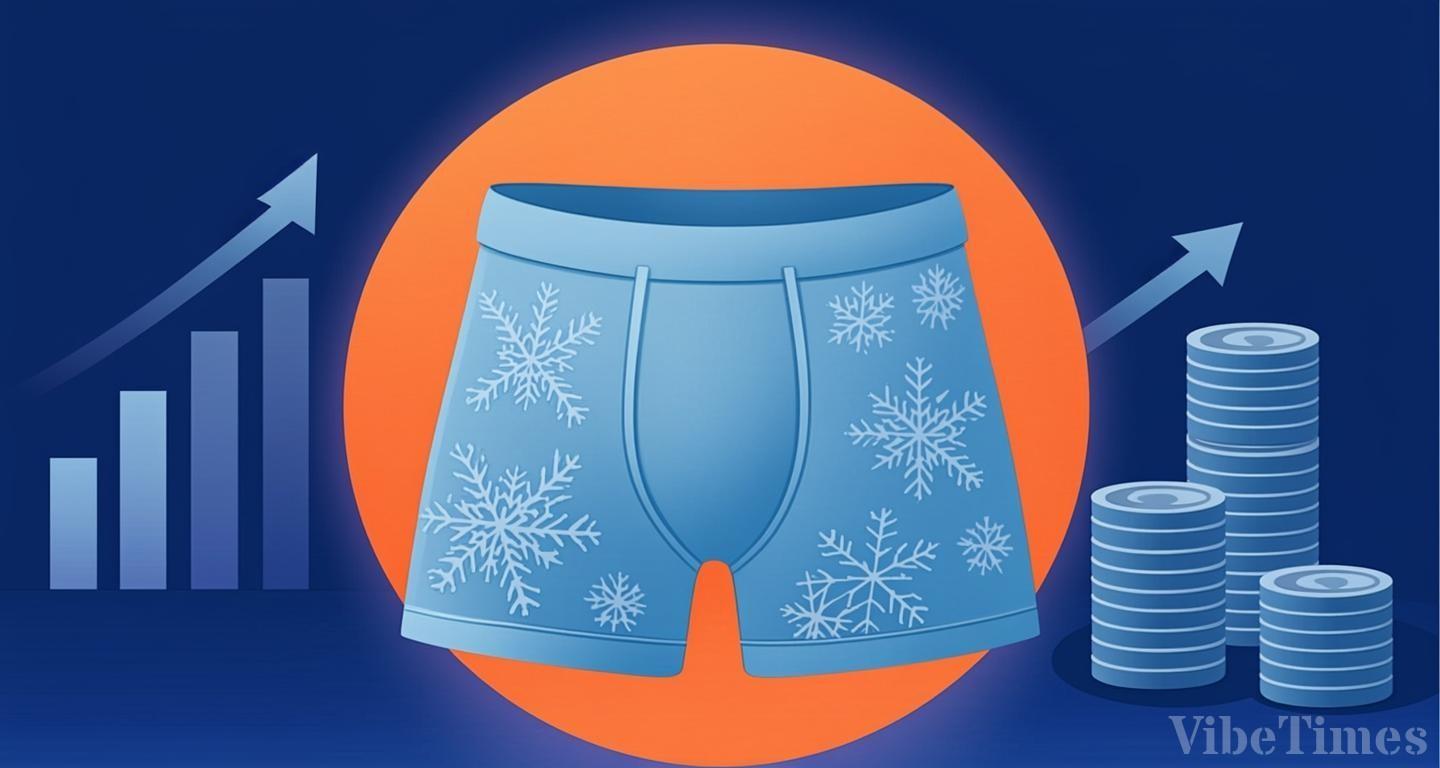
A single cooling towel revealed one side of crowdfunding consumption trends. An analysis of data from 80 projects by 66 companies published on crowdfunding platforms showed that gaps in funding amounts depended less on product category and more on how precisely a campaign pinpointed specific consumer inconveniences.
From 10,000-Won Household Goods to Tens of Millions in Produce and Livestock
The first pattern observed in this data is the breadth of the product spectrum. SMS Co., Ltd. posted several low-priced household items, including a portable fast charger in the 10,000-won range (about 70,000 won raised), compression pouches (about 360,000 won), and a mini cooling fan (about 140,000 won). Meanwhile, On&'s King Peaches (15.7 million won raised) and Nowhome Co., Ltd.'s cordless vacuum cleaner (18.75 million won) each surpassed the 10-million-won mark. Prices and product categories are split to extremes within the same platform.
At the top of the funding rankings are the Nowhome cordless vacuum (18,758,000 won), On& King Peaches (15,701,300 won), IQBox's Playmobil space collaboration (15,587,900 won), and RunnerFit's running full set (8,968,800 won). What these products have in common is that they emphasized 'instantly understood value' rather than complicated features: the component reliability of a built-in Samsung battery, the concrete spec of a 500-gram King Peach, and the price disruption of a nine-item full package for 18,900 won are prime examples.
Price-Tag Marketing Has Become the Standard
An analysis of title copy revealed that the format of exposing the price range in brackets—such as '[Under 10,000 Won]' or '[Under 40,000 Won]'—was repeatedly used across many projects. LOOK AT ME led with the perceived-temperature figure '[Instant -5°C the Moment You Put It On],' while Zclicker used the phrase '[Under 40,000 Won] Macro Lens Included.' Copy focused on conveying price and core utility before the consumer reads the body text has effectively become an industry standard.
Another notable trend is the encore (re-release) strategy. People Korea Co., Ltd. explicitly labeled its glossy towel '[25th Encore]' and its long-hair towel '[22nd Encore].' Sales repeated more than 20 times are a technique for maximizing conversions by re-exposing proven products repeatedly—showing that crowdfunding is expanding from a one-off testing ground for new products into a channel for managing the entire product lifecycle.
The Rise of AI and Content Products, and the Surge in Agricultural Goods
By category, AI-based services left clear marks of growth. Ssokon's AI content production raised 3,807,000 won, Algorixm's AI monetization system for non-developers raised 1,798,000 won, and Sunsak Tool also promoted an AI-based short-form video creation tool. Crowdfunding is broadening its scope from physical products to software and subscription-based tools.
Agriculture, livestock, and food products were also strong. Fruit Meister's new grape variety 'Purple Lady' Shine Muscat (13,321,000 won), Apple Summer King (9,291,000 won), Greenpick's peach and plum pies (414,000 won), and Yu Hyeong-gon's charcuterie (871,000 won) drew backers by emphasizing 'limited season' and 'new varieties.' Summer fruit seasonality translated directly into fundraising performance. Conversely, cases like Jung Eyewear's titanium glasses (about 150,000 won)—which had clear specs yet low funding—show that the intensity of category competition determines outcomes.
Why Troiki's Massager Raised 1.53 Million Won
Mid-range products such as Troiki's Ten Head Massager (1,536,000 won), Truvo's anti-theft sling bag (2,924,000 won), and Simyeonui Seojae's Tarot guidebook (2,976,700 won) all targeted specific niche markets. Audiobooks' 108 Dharma Talks audiobook by court monk (4,582,816 won) combined 'limited to 500 copies' scarcity, proving the depth of demand for psychology and spirituality content.
Repeated small convictions, rather than big successes, build a market.
As Ernest Dine said, it was not grand innovation but the accumulation of solutions to small inconveniences—'the end of stuffiness,' 'wear it on your wrist, no installation'—that generated backing. The crowdfunding market is expected to be driven by a triad of AI tools, seasonal agricultural and food products, and encore-based proven goods. However, if consumer fatigue builds from the flood of price-tag copy, the market will likely shift into a differentiation phase where only projects balancing story and specs will survive.