309 Prosecutors Mobilized as Special Counsel Bill on Fabricated Indictments Passes

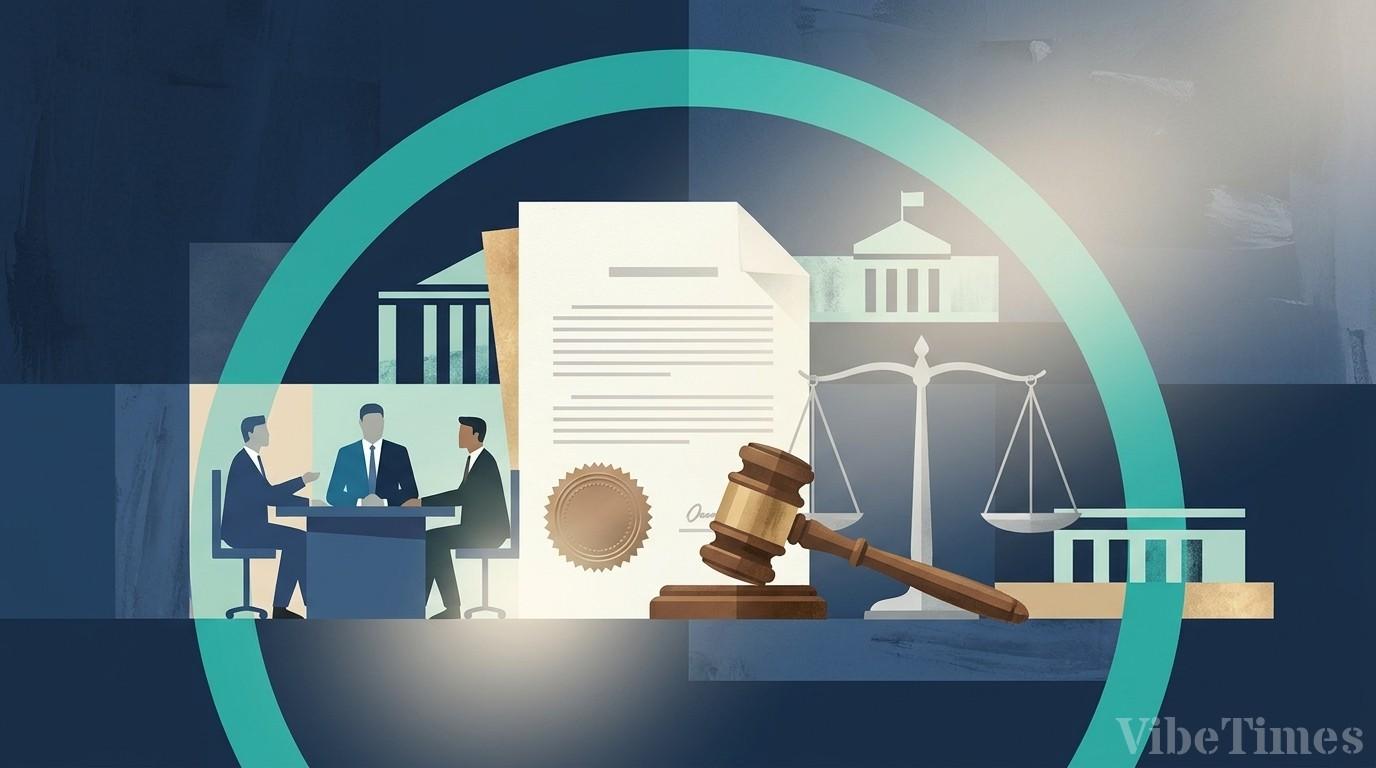
A massive special counsel investigation involving up to 309 prosecutors is underway.
The special counsel bill on fabricated indictments, aimed at uncovering allegations of politically motivated investigations and prosecutions by the prosecution against President Lee Jae-myung and other figures in the current ruling camp during the Yoon Suk-yeol administration, passed the State Council on the 17th. The council meeting was chaired by Prime Minister Han Sung-sook on behalf of President Lee, who is on an overseas trip. The government reviewed and approved the promulgation bill at the Seoul Government Complex, and once it receives the president's approval and promulgation, the bill will take effect. With up to 309 prosecutors involved, this will be the second-largest special counsel investigation in history, after the insurrection investigation.
Background and Points of Contention
The bill became contentious amid allegations that during the Yoon Suk-yeol administration, the prosecution conducted politically motivated investigations and prosecutions of politicians from both ruling and opposition parties. In particular, allegations of evidence fabrication and investigative abuse were raised during the prosecutorial investigations of President Lee Jae-myung and other figures now in power, and the Democratic Party, while in opposition, consistently maintained that these matters should be examined through parliamentary inspections and a special counsel investigation. The bill's official title is the 'Act on the Appointment of a Special Counsel to Investigate Allegations of Fabricated Investigations and Prosecutions by the Prosecution Service, National Intelligence Service, Board of Audit and Inspection, and Other State Institutions under the Yoon Suk-yeol Administration.' The very name makes clear that the subjects of investigation include the prosecution, the National Intelligence Service, and the Board of Audit and Inspection, giving it a broader scope than any previous special counsel investigation.
Key Provisions and Investigative Structure
The core of the bill lies in the special counsel's investigative authority and scale. The prosecutors assigned to the special counsel's office, including reserve candidates, number up to 309. As the second-largest investigation in history after the insurrection probe, its weight is evident. The investigation period is also expected to be lengthy. Under the bill, the special counsel can operate for up to 200 days, and given the number of targeted institutions and cases, the effort to uncover the truth is likely to continue for a considerable period. The investigation covers the full range of allegations of fabricated investigations and prosecutions by the prosecution, the National Intelligence Service, the Board of Audit and Inspection, and other state institutions during the Yoon Suk-yeol administration. The investigations into President Lee himself, his close aides, and other current ruling camp figures are expected to be the central focus.
Political Confrontation and Variables
The ruling and opposition parties are sharply divided. The ruling camp frames the bill as a judicial normalization measure to correct the political abuse of prosecutorial power. The Rebuilding Korea Party and other reformist forces, which have made prosecutorial reform a core policy plank, have likewise emphasized the need for a special counsel. In contrast, the People Power Party is pushing back, calling it legislation designed for political revenge investigations. Some opposition figures have even argued that high-ranking officials, including the prime minister, could fall within the scope of the investigation, intensifying the battle over the bill's passage. With the State Council's approval, the legislative process is essentially complete, but conflict between the parties is likely to reignite over the selection of the special counsel candidate and the timing of the investigation's launch. Observers already warn that the People Power Party's resistance could lead to a political standoff.
Timeline and Ripple Effects
The remaining steps are presidential approval and promulgation. With President Lee abroad on a trip related to ASEAN affairs, Prime Minister Han chaired the State Council meeting to secure approval, and once the president signs off upon his return, the special counsel appointment process is expected to move forward immediately. Since nominating and selecting a special counsel candidate and assembling an investigative team typically takes several weeks, the goal is likely to launch the investigation before the end of the year. Once the 200-day investigation gets into full swing, it is expected to influence discussions on restructuring the prosecution, the selection of the next prosecutor general, and the broader push for judicial reform legislation. How far the search for truth will go is up to the special counsel, but the investigation's outcome will inevitably shape the pace and direction of prosecutorial reform. As the saying goes, falsehoods fade into history and only truth remains—and whether the 309 prosecutors uncover fabrication or not may become the dividing line for the nation's next political chapter.
