Design Work Begins on Special Insurrection Unit to Handle 46 Remaining Cases

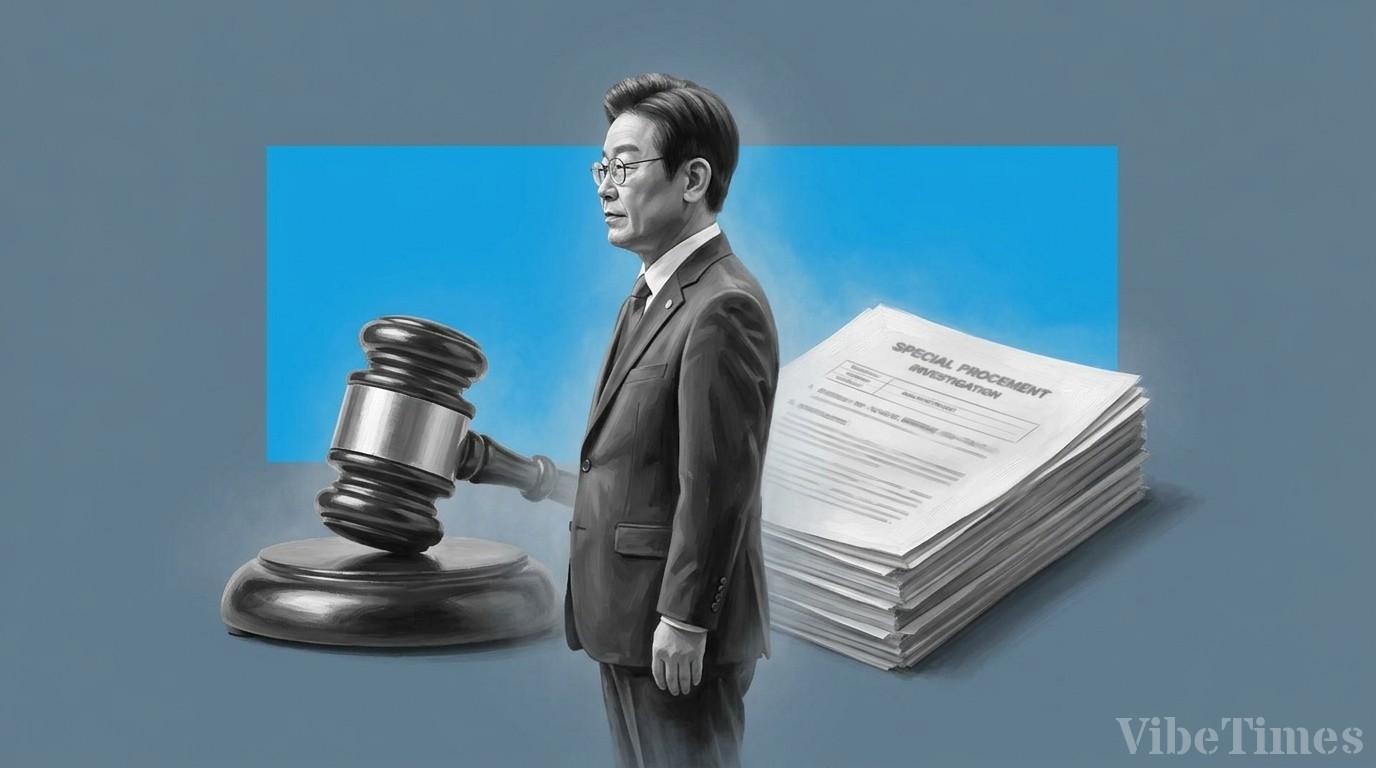
A blueprint for a separate body to take over follow-up investigations into the insurrection case is beginning to take shape.
President Lee Jae-myung has ordered a review of the affiliation and operational structure of a body that will lead the remaining investigations, following the second comprehensive special investigation into the December 3 insurrection case. This has turned the establishment of a follow-up investigation system, informally dubbed the "Special Insurrection Unit," into a practical task. According to Yonhap News, 46 outstanding cases transferred from the second special investigation team are currently pending with the police. Given the special prosecutor's limited term and budget, the core issue under discussion is where and how to carry forward the investigations that could not be completed.
Why the Discussion of a Follow-Up Investigation Body Emerged
The special prosecutor system is structured to focus on core cases rather than investigating every aspect of an affair. As the comprehensive special investigation team wrapped up the main pillars of the insurrection case, the 46 transferred cases formally returned to police jurisdiction. However, criticism has been raised from early on that, considering the gravity of insurrection charges and their political sensitivity, these cases are too difficult to handle through the ordinary investigation system. If existing police organizations were to reinvestigate cases handed over by the special prosecutor, disputes over investigative capability and political neutrality are highly likely to recur.
Added to this is structural distrust surrounding prosecutorial reform and the reallocation of investigative authority. President Lee has made prosecutorial reform a core campaign pledge, and the presidential office recently made its stance clear by stating, in response to criticism over remarks related to prosecutorial reform, that it "distorts the president's will for reform contrary to the facts," and that it is even considering legal action. The discussion of a follow-up investigation body sits on the same continuum as this broader push to restructure the investigation and prosecution apparatus.
Key Issues in Designing the 'Special Insurrection Unit'
The body under consideration is reportedly being designed around three main options: placing a special unit under the Supreme Prosecutors' Office or a district prosecutors' office, creating a new investigative headquarters under the National Police Agency, or forming a joint body composed of both prosecutors and police. Each option carries distinct strengths and weaknesses in terms of investigative independence, linkage to prosecution, and organizational stability.
A special unit under the prosecution has the advantage of a smooth transition to indictment, but it could face criticism for handing investigative authority back to the prosecution amid the current reform drive. A police-based option, by contrast, aligns with the direction of reallocating investigative authority, but leaves unresolved the challenges of linking to the indictment stage and securing the organizational capacity needed to investigate insurrection-related serious crimes. A joint approach could combine the strengths of both institutions, but risks blurring accountability as command structures become bifurcated.
Partisan Conflict and Political Fallout
The reactions of the ruling and opposition parties are sharply divided. The People Power Party has pushed back, characterizing the discussions as "an attempt to intimidate prosecutorial investigators, including Prosecutor General Cho Kyeong-won." The logic is that pressure on the prosecution's leadership is being used to control the direction of investigations. By contrast, the Democratic Party and parts of the legal community emphasize the need for a follow-up system, arguing that leaving cases the special prosecutor could not finish unaddressed amounts to shirking responsibility. The ruling camp's basic position is that the 46 pending cases cannot simply be left as they are.
The Reform Party, too, is adding momentum to this trend by successively introducing legislation aimed at uncovering the truth about the insurrection. The Cho Kuk Innovation Party recently introduced its third special counsel bill targeting Han Dong-hoon, and its lawmakers have consistently supported prosecutorial reform and the reallocation of investigative authority. The debate over a follow-up investigation body thus sits at the front line of the broader dispute over restructuring the investigation and prosecution system that cuts across both parties and the legal community.
Legislative Process and Outlook
The first hurdle is whether establishing the follow-up investigation body requires a legal basis. If it takes the form of a special unit launched under directives from the National Police Agency commissioner or the Supreme Prosecutors' Office, it could be formed without separate legislation. However, codifying its independent status and compulsory investigative powers would inevitably require new legislation. If a bill is submitted to the National Assembly, it could face prolonged delay amid opposition from the People Power Party. The ruling camp is expected to push for swift passage, citing the urgency of the 46 pending cases.
The presidential office is expected to announce the design direction soon. Once the body's affiliation, command structure, and criteria for allocating the remaining cases are specified, it is likely to intertwine with the larger structural debate over reallocating investigative authority and serve as a variable determining the pace of prosecution and police reorganization. The situation demands that a judicial task — bringing the insurrection investigations to completion — and an institutional task — reforming the investigation bodies — be resolved simultaneously on a single blueprint.