Cheong Wa Dae Reviews Legal Action Over Yoo Si-min's 'Rotten Fish Market' Remark

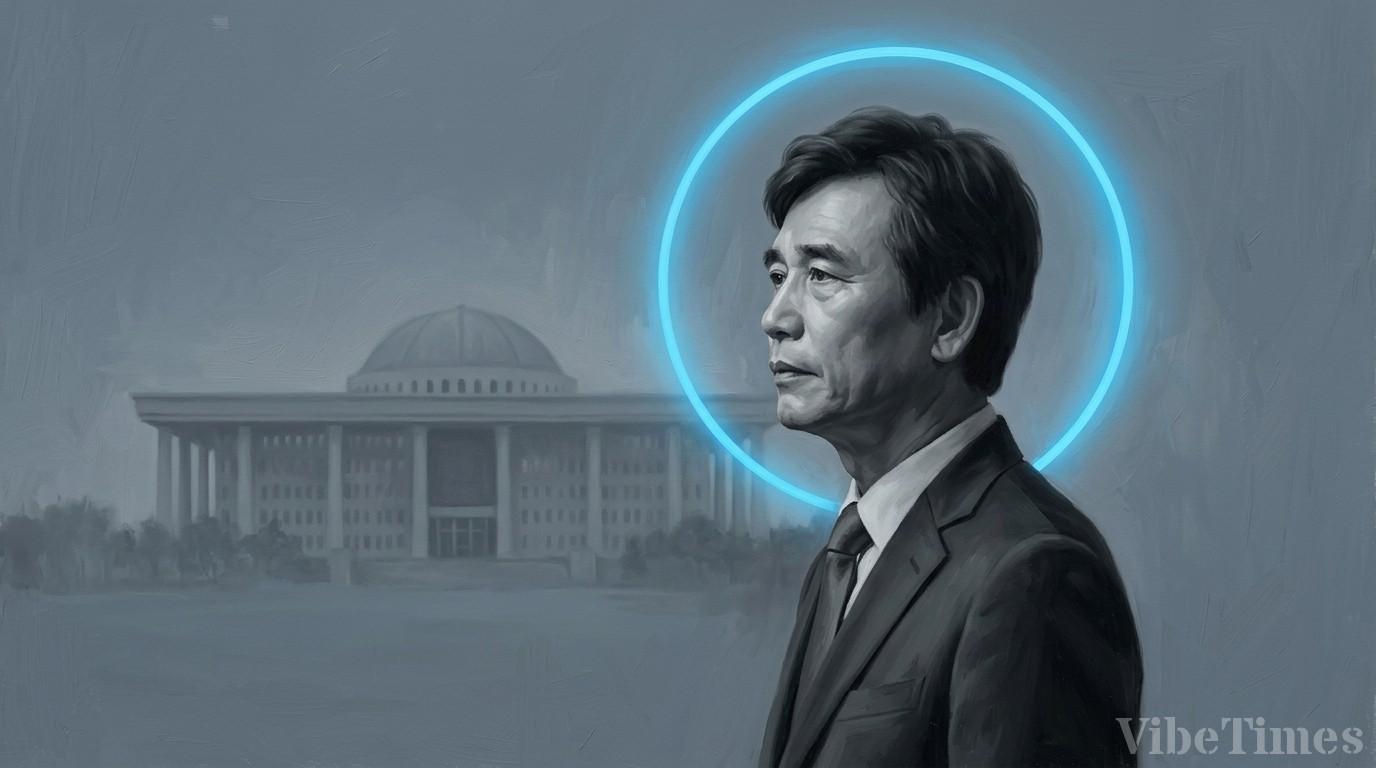
Cheong Wa Dae has entered an unusual phase, considering legal action in response to Yoo Si-min's criticism of the prosecution reform.
In response to Yoo Si-min's harsh criticism that President Lee Jae-myung's direction for prosecution reform "smells like a rotten fish market," Cheong Wa Dae expressed regret, saying he "distorted the president's will to reform the prosecution." Fact-checking is under way, and the possibility of legal action is being raised. As this involves a legal review of a critic within the ruling party itself, it differs in tone from typical political sparring.
Why 'Internal Criticism' Became an Issue
Yoo Si-min has long been a leading voice for reform discourse within the Democratic Party. For such a figure to describe the core direction of prosecution reform as smelling like a rotten fish market is a direct challenge to the substance of judicial reform itself, making the impact all the greater. The remark came at a particularly sensitive moment, as the possibility of withdrawing the indictments in cases tied to President Lee Jae-myung has emerged as a pressing issue, fueling criticism that reform and self-defense are hard to distinguish.
In fact, Acting Prosecutor General Lee Jung-hyun has taken the position that the findings of a fact-finding investigation must be reviewed regarding the possibility of withdrawing the indictments. In opinion polls, President Lee Jae-myung's positive rating for his governance fell 1.1 percentage points from the previous survey to 37%, its lowest level, with "withdrawal of indictments" cited as the top reason for the decline. In a separate poll, the positive rating dropped to 30.6%, remaining in the 30% range even among respondents in their 40s and 50s.
Timing That Coincides With Falling Approval Ratings
The problem is not just the content of the remark. Cheong Wa Dae's decision to pull out the legal action card comes at a time when the president's approval ratings are declining, which increases the political burden. With polls identifying the indictment withdrawal as the main driver of the drop in positive assessments, the rebuttal that Yoo "distorted the will to reform" risks being seen instead as an attempt to suppress criticism.
Opposition figures, including People Power Party lawmaker Jang Seong-ho, have criticized the president for tending to the Special Investigation Unit on Insurrection and the farmland survey even while traveling, and are using the post-Chuseok decline in approval ratings as fodder for their offensive. Regarding the farmland survey, President Lee said it would be conducted to ensure "no one is unfairly treated," fueling continued cross-party skirmishes. With Yoo Si-min's remark added to the mix, the ruling party now faces two fronts at once.
A Second Front: Conflict With the Judiciary
Cheong Wa Dae's troubles do not end there. President Lee Jae-myung requested a new nomination of Supreme Court justice candidates, citing the lack of substantive consultation in the initial written nomination process, but Chief Justice Jo Hee-de signaled his refusal, intensifying the conflict between the executive and the judiciary. Cheong Wa Dae has taken a negative stance on whether to file a jurisdictional dispute petition over Jo's refusal to renominate.
The ruling and opposition parties are also at odds over this issue. Ruling party figures including Democratic Party lawmaker Park Sung-jun criticized Jo, calling his move a "political act," while the People Power Party countered that "taming the judiciary cannot be allowed." With Yoo Si-min's criticism over prosecution reform, the nomination standoff with the chief justice, and the indictment withdrawal controversy all vulnerable to being framed as political pressure on the judiciary, Cheong Wa Dae finds it difficult to calibrate its response.
Outlook: Legal Action Is a Card to Play Cautiously
Having announced a fact-finding effort, Cheong Wa Dae's immediate challenge is restraint. Pursuing legal action over internal criticism would send a message that clashes with reconciliation gestures such as the gift of a Roh Moo-hyun biography, conceived as a symbol of unity. With approval ratings sliding from 37% to 30.6%, a response that risks alienating centrists is a burden.
Rather, the fundamental response appears to lie in restoring trust by explaining the indictment withdrawal controversy and transparently carrying out the farmland survey. With the June 3 local elections approaching and the opposition making the "indictment withdrawal attack" its core weapon, how Cheong Wa Dae addresses the very points Yoo Si-min raised, rather than the remark itself, will likely determine the direction of the political landscape. Just as no success is achieved overnight, trust in judicial reform will not be restored in a day.
