Ruling, Opposition Parties Face Hurdles in Reaching Agreement on March Session Agenda

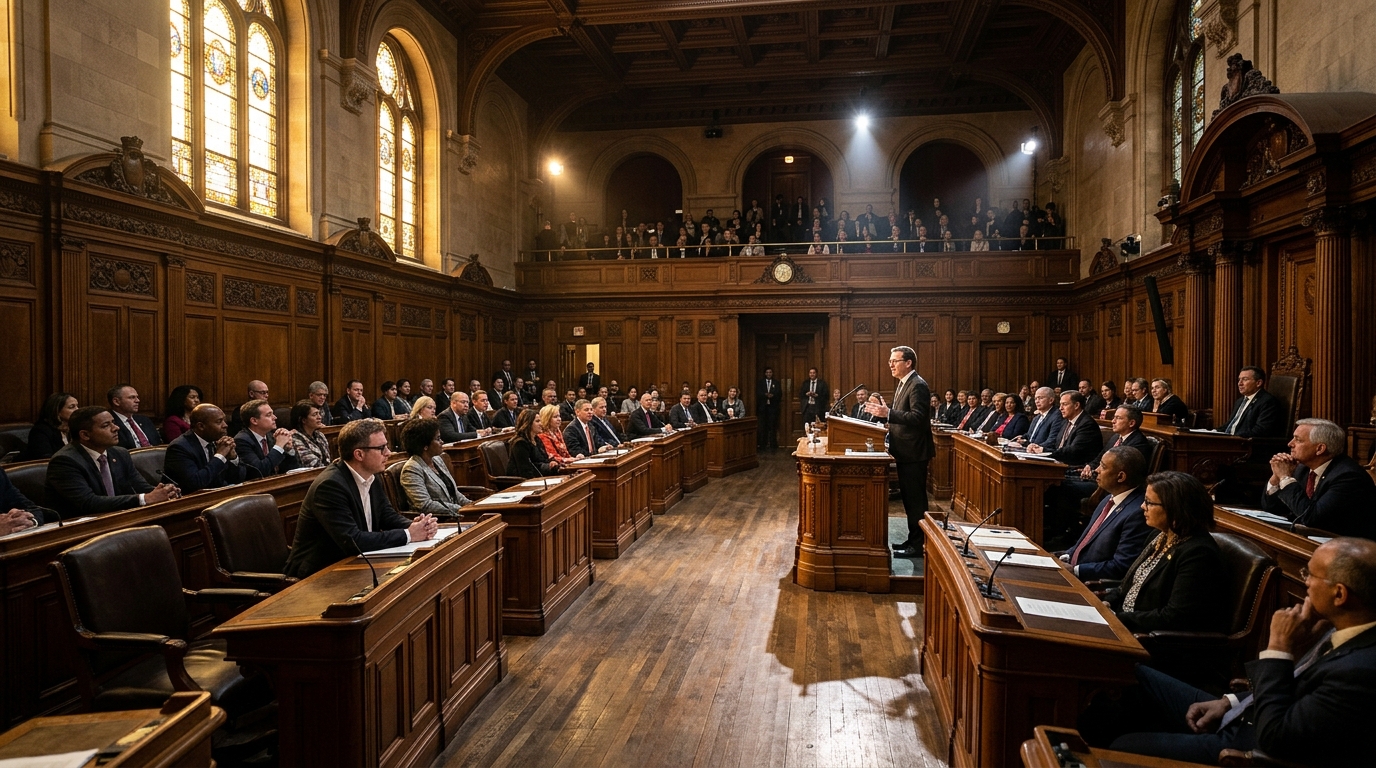
The March special session of the National Assembly is facing difficulties ahead of its opening on the 12th, with ruling and opposition parties disagreeing on the handling of agenda items. The situation has been further complicated by the President's directive to review constitutional amendments, introducing a new variable into the political landscape.
Following the government's instruction to pursue constitutional amendments, related discussions have begun. However, securing a successful amendment requires cooperation within the National Assembly between the ruling and opposition parties. The People Power Party's willingness to cooperate has emerged as a key factor, given the administrative procedures and timelines involved. According to Article 130 of the Constitution, a constitutional amendment requires the approval of two-thirds of the National Assembly members for a national referendum. Given the current seat distribution, passing an amendment is impossible without the consent of the People Power Party, which holds 107 seats.
The People Power Party has expressed opposition to what they term a 'one-point amendment' that selectively targets specific issues, arguing it could lead to a rushed and poorly executed constitutional revision and that attempts to amend the constitution to fit the current administration's schedule are unacceptable. Choi Bo-yun, the People Power Party's chief spokesperson, formalized this stance in a statement. The government, meanwhile, indicated a willingness to pursue issues that the opposition parties do not oppose, such as strengthening local autonomy and tightening requirements for martial law. The Ministry of Justice stated it would support the inclusion of the spirit of the May 18th Democratic Uprising in the preamble of the Constitution.