POSCO, Hyundai Steel Unions Urge Joint Government Action to Prevent Steel Industry Collapse

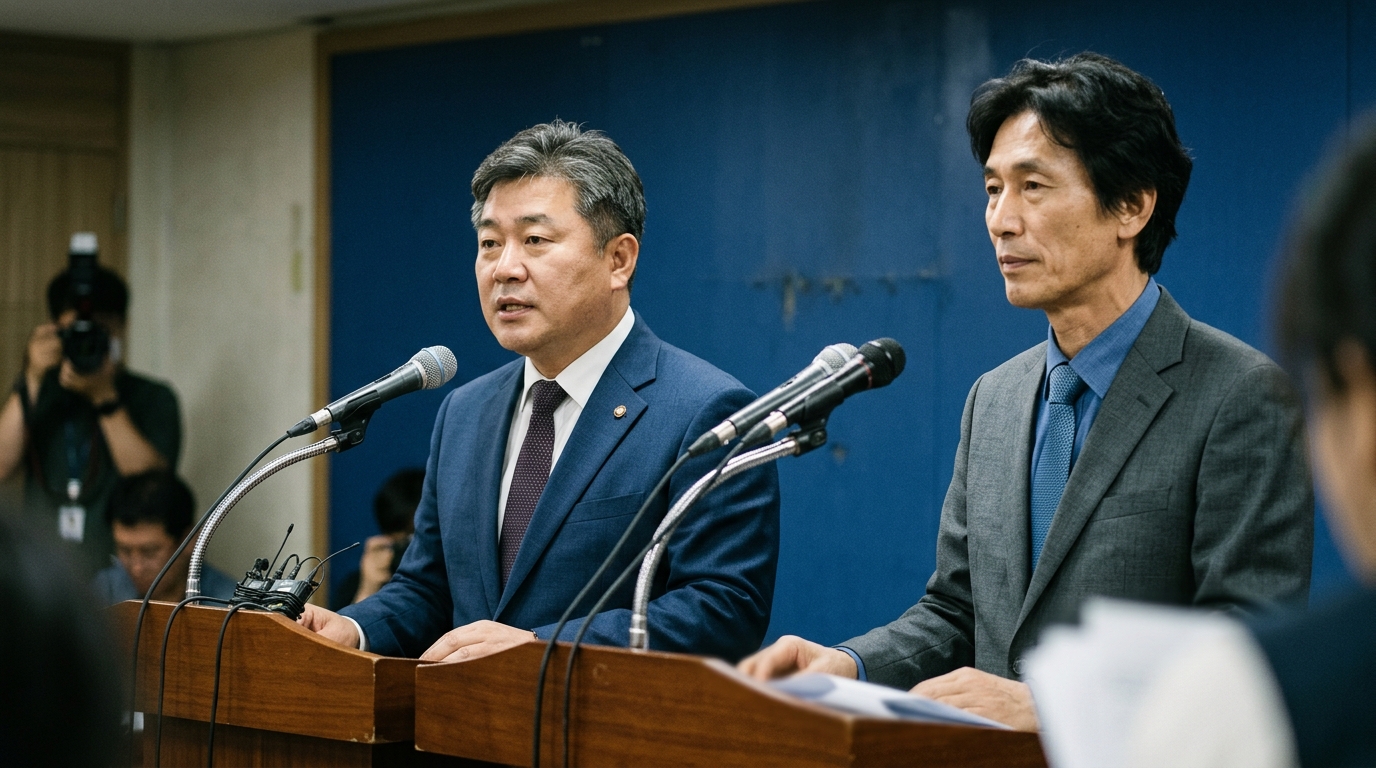
Amidst the domestic steel industry facing a crisis due to the onslaught of low-cost imports and sluggish demand, the unions of POSCO and Hyundai Steel, representing the two major labor federations, have unprecedentedly joined forces to demand the government formulate effective countermeasures. The POSCO Labor Union, affiliated with the Federation of Korean Trade Unions (FKTU), and the Hyundai Steel Pohang Branch, affiliated with the Korean Confederation of Trade Unions (KCTU), held a joint press conference at the National Assembly on the 19th, urging the government to devise measures to overcome the steel industry crisis. This marks the first time in 50 years of steel industry history that unions from the two major labor federations have spoken in unison. Lee Sang-hwi of the People Power Party and Kwon Hyang-yeop of the Democratic Party of Korea attended the press conference, urging the government to recognize the steel industry as a national strategic asset and to prepare appropriate measures.
The two unions requested a reduction in industrial electricity rates, which have surged by over 80% compared to 2021, and increased government investment in eco-friendly technologies such as hydrogen reduction steelmaking. Industrial electricity prices have risen by approximately 85% over the past five years, contributing to the decline in corporate profitability. Kim Seong-ho, president of the POSCO union, stated that the detailed implementation decrees and rules for the K-Steel Act are needed, along with practical assistance. Song Jae-man, head of the Hyundai Steel Pohang Branch, highlighted concerns about factory closures and employment instability due to electricity cost burdens and declining profitability.
The domestic steel industry is grappling with a confluence of adverse factors, including oversupply from China, a slump in the domestic construction market, hefty 50% tariffs imposed by the United States, and rising shipping costs due to Middle East tensions. These domestic and international challenges are exacerbating the financial strain on Korean steel companies.