Government to Invest 50 Trillion Won to Boost Advanced Industry Ecosystem

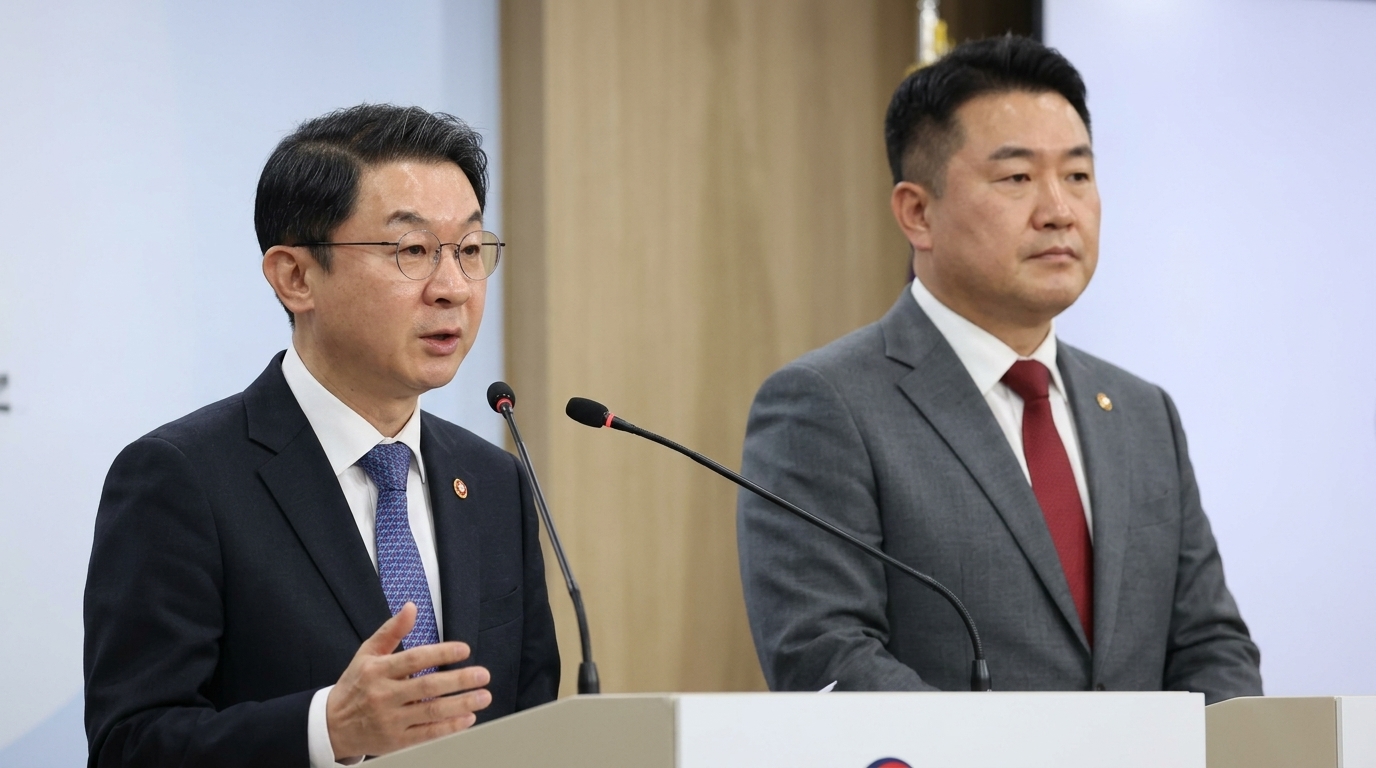
The government will invest 50 trillion won over the next five years through the 'National Growth Fund' to foster advanced technology industries that will lead the future economy. The Financial Services Commission (FSC) held the 'Second Strategy Committee for the National Growth Fund' on April 14 and announced measures to strengthen support for the advanced industry ecosystem. The core of these measures is the expansion of 'patient capital' through 35 trillion won in public-private joint funds and over 15 trillion won in direct investment, with a total of over 50 trillion won to be injected over the next five years. The public-private joint funds will attract private capital using public funds as seed money, through indirect investment, and will be subdivided into more than 20 sub-funds. Through this, they will complement the limitations of existing policy funds and establish a virtuous cycle of 'investment → recovery → reinvestment' via ultra-long-term technology investment, mergers and acquisitions (M&A), KOSDAQ investment, and the operation of regional-specific funds. Financial authorities expect the National Growth Fund to establish itself as a platform for enhancing the competitiveness of advanced industries through long-term investment and risk-sharing.
FSC Chairman Lee Eok-won stated, "It is time to secure the global competitiveness of advanced industries through timely and large-scale financial support." He added that it is necessary to proactively respond to the urgent funding demands of industrial sites amid the new phase of advanced industry investment and the energy war. Chairman Lee announced that funds will be provided to resolve investment blind spots across industries that have not been reached by private investment.
The government will utilize at least 15 trillion won in state funds to directly supply facility and mass-production capital to globally competitive companies. This structure, differentiated from existing fund-centric investments, involves direct government participation in high-risk projects, such as the 640 billion won invested in AI semiconductor companies. To supplement the conservative screening structure centered on private entities, a 'Growth Company Discovery Council' will be newly established, where venture capitalists (VCs), private equity firms (PEs), and the government will jointly identify investment targets.
Low-interest loans are combined with a structure led by large corporations and involving SMEs and mid-sized companies in the supply chain, designed as an ecosystem connectivity mechanism to boost overall industrial competitiveness through investment and loans. A representative method involves guiding large corporations that utilize low-interest loans to reinvest a portion of their financial costs into supplier support programs. This is expected to promote the spread of win-win structures, alongside guarantee programs and consulting support, similar to the Samsung Electronics case.
This policy is significant in that it targets the entire industrial ecosystem, going beyond individual company support. By integrating the entire value chain, regions, and the collaborative structure between large and small enterprises into a single investment framework, the role of policy finance has been expanded from 'fund supply' to 'industrial structure design.'