KCC Launched, But OTT Regulation Remains Divided Among Three Ministries

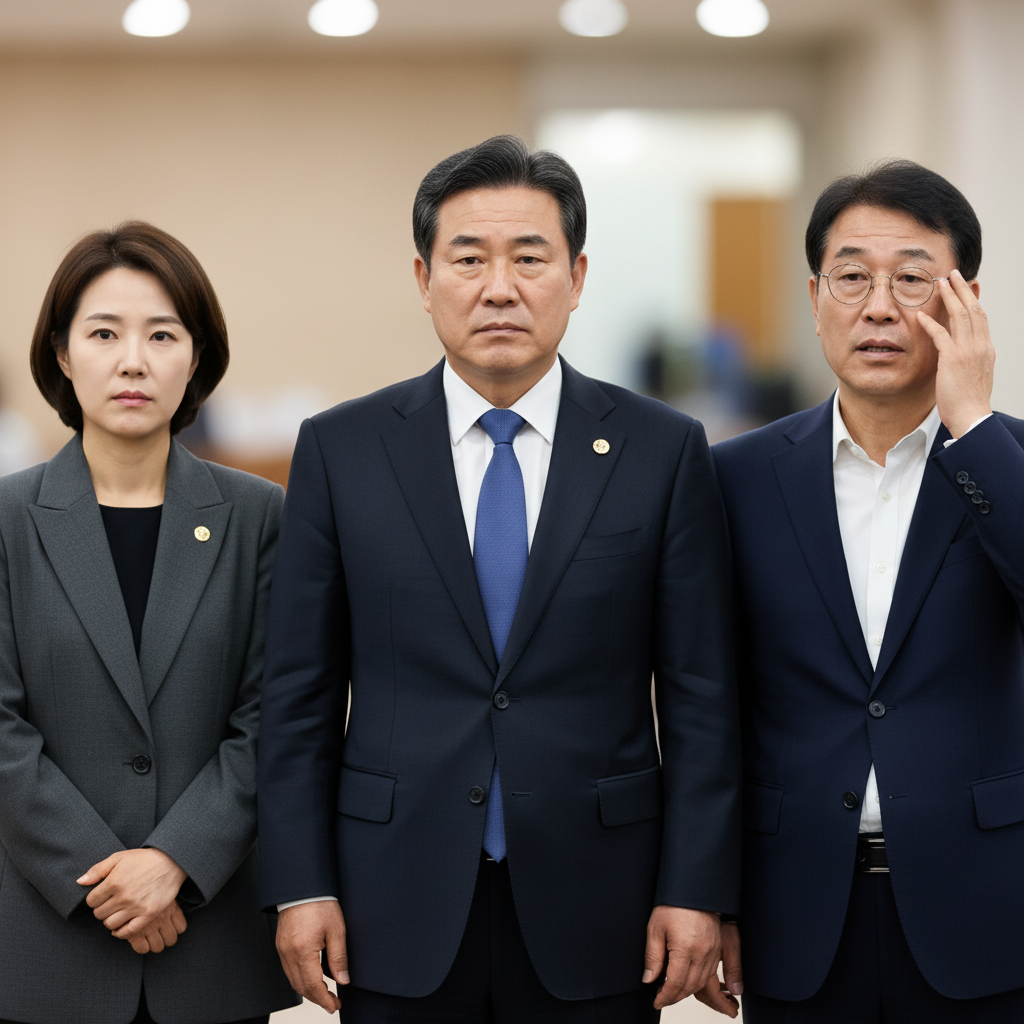
The newly launched Korea Communications Commission (KCC) has officially commenced operations, but discussions surrounding the regulation of online video services (OTT) remain fragmented and unresolved across three different ministries. Under current legislation, OTT services are classified as 'value-added telecommunications services,' thus not falling under the purview of broadcasting regulations. The Ministry of Science and ICT oversees platform and telecommunications aspects under the Telecommunications Business Act, while the Ministry of Culture, Sports and Tourism handles content rating and video promotion. The KCC's jurisdiction covers traditional broadcasting and pay-TV services, with OTT excluded from its mandate. Although 33 personnel were transferred from the Ministry of Science and ICT when the KCC was established, the legal classification of OTT services remained unchanged, and the existing division of responsibilities persisted. An official from the KCC commented, "We intended to transfer OTT promotion duties to the KCC, but the Ministry of Science and ICT insisted on retaining its existing jurisdiction. Consequently, personnel were transferred without the corresponding responsibilities."
OTT services are increasingly absorbing content such as live sports, performances, and news, effectively replacing traditional broadcasting functions. Results from the '2025 Broadcasting Media Usage Behavior Survey' show that the OTT usage rate rose from 77.0% in 2023 to 81.8% in 2025. The proportion of paid OTT users also increased from 57.0% to 65.5% during the same period, while paid broadcasting subscriptions continue to decline. This situation gives rise to concerns about regulatory parity.
Tving, a subsidiary of CJ ENM, and Wavve, launched with major terrestrial broadcasters as shareholders, are legally classified as value-added telecommunications service providers. Netflix, with no domestic broadcaster shareholdings, is purely a value-added telecommunications service provider with no intersection with the broadcasting law framework. This is analyzed as a potential cause for domestic OTT companies being overlooked in promotion policies.
To address these structural limitations, the KCC is supporting the establishment of a Media Development Committee under the Ministry of Government Policy Coordination and is exploring ways to integrate OTT into the same legal framework as broadcasting through the enactment of the 'Audiovisual Media Service Act.' KCC Chairperson Kim Jong-cheol stated, "We will institutionalize social discussion and public deliberation as a starting point for a major transformation in media policy."