Arsenic Detected in BCG Vaccine: Impact on Infant Health and How to Check

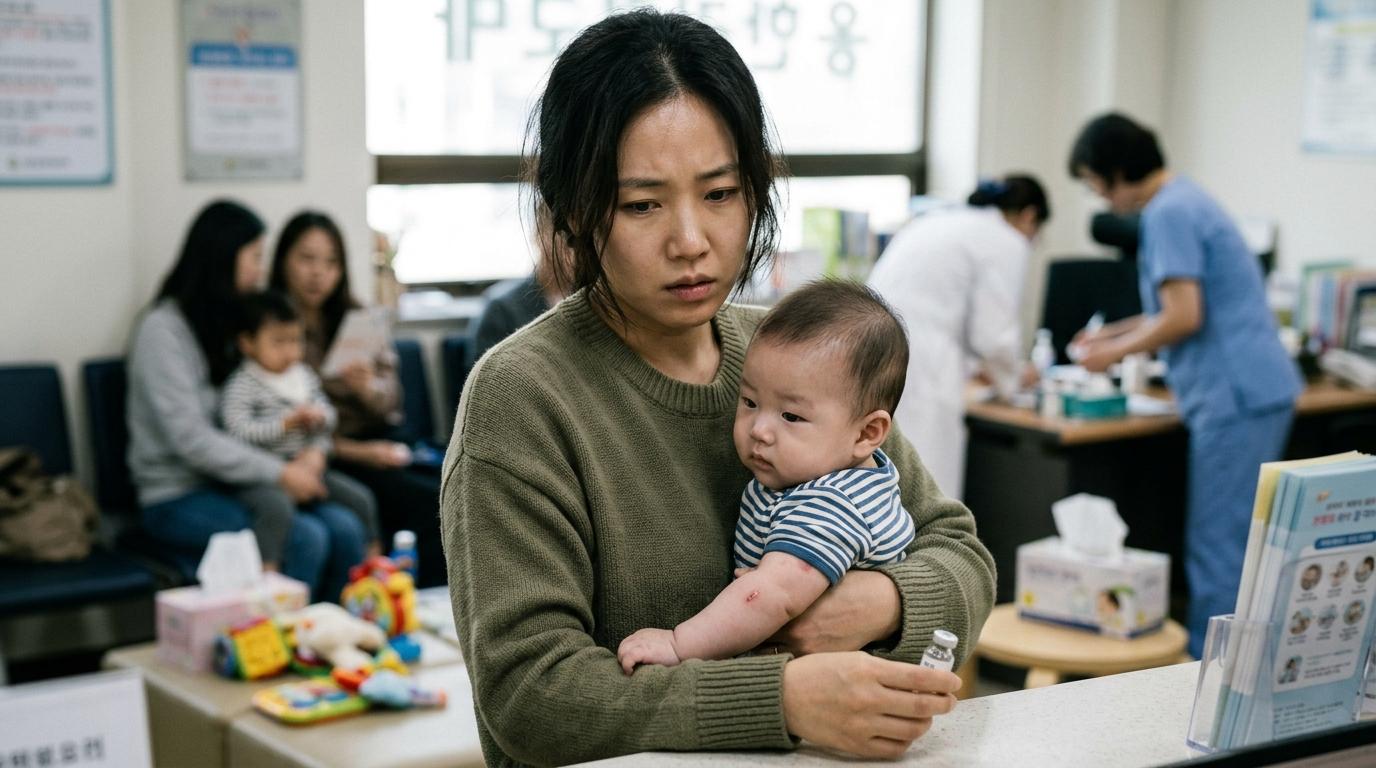
The incident of trace amounts of arsenic being detected in some domestically manufactured BCG vaccines has raised concerns about the long-term health of infants and young children, although current expert opinions suggest the potential risk is very low. This article comprehensively analyzes the circumstances of arsenic detection, its impact on the human body, and methods for checking children's health.
Full Account of BCG Vaccine Arsenic Detection Incident and Expert Diagnosis
Investigating the background of the vaccine arsenic detection reveals that in the latter half of 2023, trace amounts of arsenic were detected in some intradermal BCG vaccines manufactured by a domestic pharmaceutical company (Korea Vaccine). Various possibilities, including external contamination during the manufacturing process or potential impurities in raw materials, were raised as causes. The Ministry of Food and Drug Safety (MFDS) immediately halted the shipment of products from the affected manufacturing lot and initiated an investigation.
According to the investigation by the Ministry of Food and Drug Safety (MFDS), it was preliminarily concluded that the arsenic was a trace residue from pharmaceutical raw materials that remained during the manufacturing process. While this did not exceed the allowable standard set by the Good Manufacturing Practice (GMP) for pharmaceuticals (e.g., below 0.01 mg/kg), the mere detection of arsenic in the vaccine amplified public anxiety.
Toxic Effects of Arsenic and Regulatory Agency Response
Regarding the toxicity and human health effects of arsenic, experts universally agree that while arsenic is a naturally occurring metal element that can cause serious health problems with prolonged exposure to high concentrations, the amount detected in this BCG vaccine poses a very low risk of immediate toxicity. The levels of arsenic detected are very small, comparable to typical environmental exposure levels and far below the World Health Organization (WHO) permissible limits.
The MFDS confirmed that the arsenic content detected in the problematic vaccine did not exceed internationally recognized impurity control standards for pharmaceuticals (such as ICH Q3D) or domestic standards. Therefore, the vaccine was deemed safe. However, the issue was raised because a substance that should not be detected was found, even if within the established limits.
In response and to assess vaccine safety, the Ministry of Food and Drug Safety (MFDS) immediately implemented measures for the recall and disposal of the affected products. Furthermore, it launched a special inspection of the entire manufacturing process and began formulating measures to prevent recurrence. After a comprehensive review of domestic and international prior research and toxicity databases, the conclusion was reached that the detected amount was not at a level to cause potential risk from vaccination. Based on this, the authorities maintained their position of not recommending a general suspension of vaccinations or additional checks.
In the early stages of the issue, the vaccination of BCG vaccines from the affected pharmaceutical company was temporarily suspended to alleviate anxiety and conduct further investigations. However, following the MFDS's safety assessment and subsequent actions, supply was swiftly replaced with Japanese-made BCG vaccines (manufactured by BCG Laboratories), ensuring that the essential vaccination schedule for infants and young children proceeded without significant disruption. Currently, all BCG vaccines supplied domestically are Japanese-made.
Long-term Health Impacts on Infants and Young Children, and How to Monitor Children's Health
Regarding potential long-term health effects, experts report that there is currently no scientifically proven evidence that exposure to extremely trace amounts of arsenic has had a significant long-term impact on the health of infants and young children. BCG vaccines have been used worldwide for decades, and prior to this incident, no cases of arsenic detection in these vaccines had been reported. Experts diagnose that the quantity, which is far below typical environmental exposure levels, is also highly unlikely to affect the vaccine's immunogenicity or safety.
Even if exposure to arsenic occurred through the BCG vaccine, the consensus among experts is that the probability of actual long-term health effects is very low due to the extremely minute amount and the likelihood of it being a single exposure.
Regarding the need for additional monitoring of children's health, generally, if no unusual symptoms appear after BCG vaccination, there is no need for separate checks due to the arsenic detection issue. Health authorities recommend monitoring for common adverse reactions that may occur after vaccination, and if persistent, unusual symptoms appear, consulting a pediatrician is most important.
Scientific and systematic verification procedures include epidemiological investigations and follow-up observations. This involves conducting regular health check-ups and surveys over several years to decades on cohorts of infants and young children who received the affected vaccines, statistically analyzing their general health status and the incidence of diseases highly associated with arsenic exposure.
Regarding precautions parents should be aware of and information sources, it is important to rely on official information released by credible institutions such as the Korea Disease Control and Prevention Agency (KDCA) and the Ministry of Food and Drug Safety (MFDS), rather than experiencing excessive anxiety about this incident. There may be cases where unnecessary anxiety is created due to misunderstandings or misinformation about vaccines, so medical decisions should be made in consultation with experts.
If there are specific concerns about a child's health, consulting a pediatrician for an individual health assessment is the most reliable method. Relying on unproven information or folk remedies lacking medical evidence is not advisable.
Conclusion: Future Tasks for Ensuring Safety and Preventing Recurrence
As the importance of reconfirming safety and disseminating credible information comes to the fore, the BCG vaccine arsenic detection issue has served as an example demonstrating the high public interest in vaccine safety. Relevant authorities must use this incident as an opportunity to strengthen manufacturing process management further and alleviate public anxiety through transparent and swift information disclosure.
Furthermore, when reporting, the media needs to make efforts to prevent unnecessary social confusion by ensuring accurate fact-checking and delivering objective information based on expert analysis. Clear explanations regarding the detection amount, allowable limits, and actual health risk potential are crucial.
To strengthen quality control and continuous monitoring for recurrence prevention, this arsenic detection incident should serve as a catalyst for reviewing and enhancing the entire domestic vaccine manufacturing and management system. This will be a significant foundation for preventing similar incidents in the future.
The MFDS must further strengthen GMP management and supervision of vaccine manufacturers and continuously instruct them to thoroughly conduct testing for harmful impurities like arsenic. Alongside regular monitoring, establishing a swift and transparent information disclosure and proactive response system when issues arise is the path to regaining public trust.
