How to Correct Inaccurate Statements in School Violence Investigations

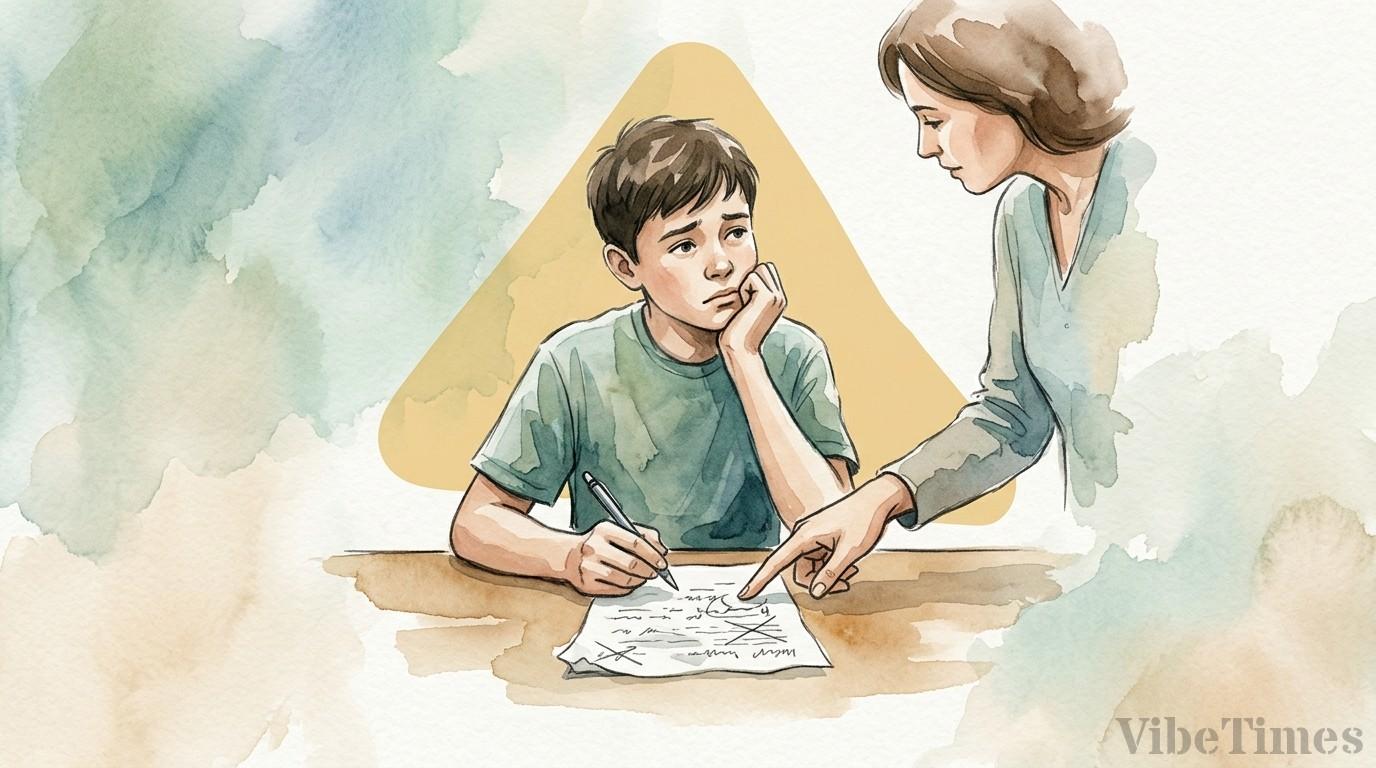
Inaccurate recording of statements submitted during school violence investigations can lead to serious issues that undermine the fair judgment of a case. Students and guardians must carefully verify the accuracy of their statements and actively request corrections through established procedures to uncover the truth and protect their rights. Systemic responses are essential, as erroneous records can distort the nature of the incident and result in unfair outcomes.
Causes and Problems of Misrecorded Statements in School Violence Investigations
Legal Importance of Statement Recording and Prudence in Investigations
Under the "Act on the Prevention and Resolution of School Violence," schools bear a thorough investigation obligation when school violence occurs. During this process, statements from the victim student, perpetrator student, related students, and witnesses are used as the most critical evidence to understand the reality of the incident.
The statements collected are directly influential in confirming the facts by the School Violence Committee (hereinafter referred to as the Committee) and in determining measures such as guidance or disciplinary action for the perpetrator student, and protection and guidance for the victim student. Therefore, ensuring that statement content is accurately recorded and objectively reflected is crucial for fair case processing and the protection of students' legitimate rights.
Various Causes Leading to Misrecorded Statements
Cases where student statements are recorded incorrectly can stem from complex factors. These commonly include instances where the investigator misunderhears the student's words, or records their own interpretation without fully grasping the context of the incident. Sometimes, students may struggle to clearly express their experiences due to psychological instability or emotional distress at the time of the incident, increasing the ambiguity or likelihood of misrepresentation in their statements.
Furthermore, there is a risk that student statements may be distorted or recorded differently from reality due to the tension and pressure of the investigation setting, or due to leading questions. Memory distortion, errors over time, or simple technical mistakes during the recording process can also contribute to misrecorded statements. These various variables undermine the accuracy of statements.
Serious Consequences of Misrecorded Statements
If one's statement is recorded incorrectly or can be interpreted differently from the original intent, it can lead to very serious consequences. Inaccurate statement records fundamentally hinder the discovery of truth. This not only makes it difficult for the victim student to receive appropriate protection and recovery but can also serve as grounds for unfair disciplinary action or disadvantage for the perpetrator student.
Ultimately, such errors severely damage the fairness and credibility of the entire school violence case processing, leaving indelible scars and distrust among the involved parties. Therefore, securing the accuracy of statements can be considered the starting point of fair case processing.
Procedures for Requesting Corrections to Statement Errors
Step 1: Verify Statement Content and Secure Evidence of Errors
The first priority is to accurately confirm how your statement during the investigation process was actually recorded. Generally, after a school violence investigation, the student or guardian signs after reviewing and confirming the relevant parts of the recorded statement, testimony record, or investigation report. If, during this process, you determine that the recorded content differs from your actual statement, you must immediately raise an objection regarding the error and ascertain the correct recorded content.
If an error is discovered in the statement content even after signing, it is crucial to secure objective evidence that proves the occurrence of the error. This can include your clear memory of the situation at the time, audio recordings (prior consent required), testimony from a third party who can witness the incident, or other relevant evidence. The secured evidence will be used as the basis for the correction request.
Step 2: Formally Submit a Correction Request to the Investigating Officer and School Authorities
Once you have confirmed an error in your statement and secured relevant evidence, the next step is to formally request a correction of the statement content from the assigned investigator (typically the school's school violence investigator teacher, Wee Class counselor, or the principal). Submitting a written request is recommended as it creates a record for future legal effect.
The correction request must clearly state your personal information (or that of your guardian), the specific statement content containing the error, and the content that needs to be corrected, along with its justification. Attaching the secured evidence along with the request can enhance its persuasiveness. In parallel, according to internal school regulations or procedures, it can be effective to request a meeting directly with the school violence department, homeroom teacher, or the responsible vice principal/principal to explain the situation in detail and demand a correction.
Step 3: Raise Objections and Secure an Opportunity for Clarification Before Committee Deliberation
If the statement content is not sufficiently corrected through the school's internal correction procedures, or if the correction request is not accepted at the school level, the student and guardian must once again strongly raise objections and secure a clear opportunity for clarification before the case is brought before the School Violence Committee (hereinafter referred to as the Committee).
Since the Committee uses student statements as significant evidence for the case, ensuring the accuracy of statements before deliberation begins is paramount. At this stage, you must formally convey your objections to the school administration office, vice principal, or principal, and in some cases, actively work to provide information about the misrecording to the committee members in advance to ensure a correct judgment. Clarification of statement accuracy is an essential process for a fair deliberation.
Countermeasures and Rights Redress When Correction Requests Are Not Accepted
Utilizing the Principal's Reinvestigation Order and Filing Complaints with the Office of Education
If the issue of misrecorded statements is not resolved through the school's internal procedures, students and guardians can request the principal to reconfirm the facts and order a reinvestigation. It is important to urge the principal to conduct a reinvestigation under their responsibility for the investigation and resolution of school violence incidents.
If the principal does not issue a reinvestigation order, or if the school's response is deemed insufficient, you can formally file a complaint with the relevant Office of Education regarding the unfairness or procedural errors in the school violence case processing. The Office of Education has the authority to supervise whether the school's investigation and case processing were conducted legally and fairly in accordance with laws and regulations, making this an effective way to attempt problem resolution.
Seeking Rights Redress Through Administrative Appeals and Legal Action
If the issue is not resolved through the aforementioned procedures, or if you disagree with the outcome of the school violence case processing, you may consider filing an administrative appeal or pursuing legal action as a final resort. Within a specified period from the date of receiving notification of the school violence case processing decision, you can file an administrative appeal with the Superintendent of Education for a review. If you are not satisfied with the outcome of the administrative appeal, you can file an administrative lawsuit to seek a final judgment from the court.
These legal procedures can incur significant time and costs, so it is essential to make a deliberate decision after thoroughly consulting with legal experts, such as lawyers experienced in school violence case processing. Ensuring the accuracy of statements is the foundation of fair case processing; therefore, active and systematic efforts are necessary to protect your rights.
