Tensions Persist Between Israel and Lebanon Despite Ceasefire Deal

Just one day after the US-brokered agreement to extend the ceasefire, the fragile truce continues as the Israeli military struck targets in southern Lebanon on April 24 in response to Hezbollah provocations.
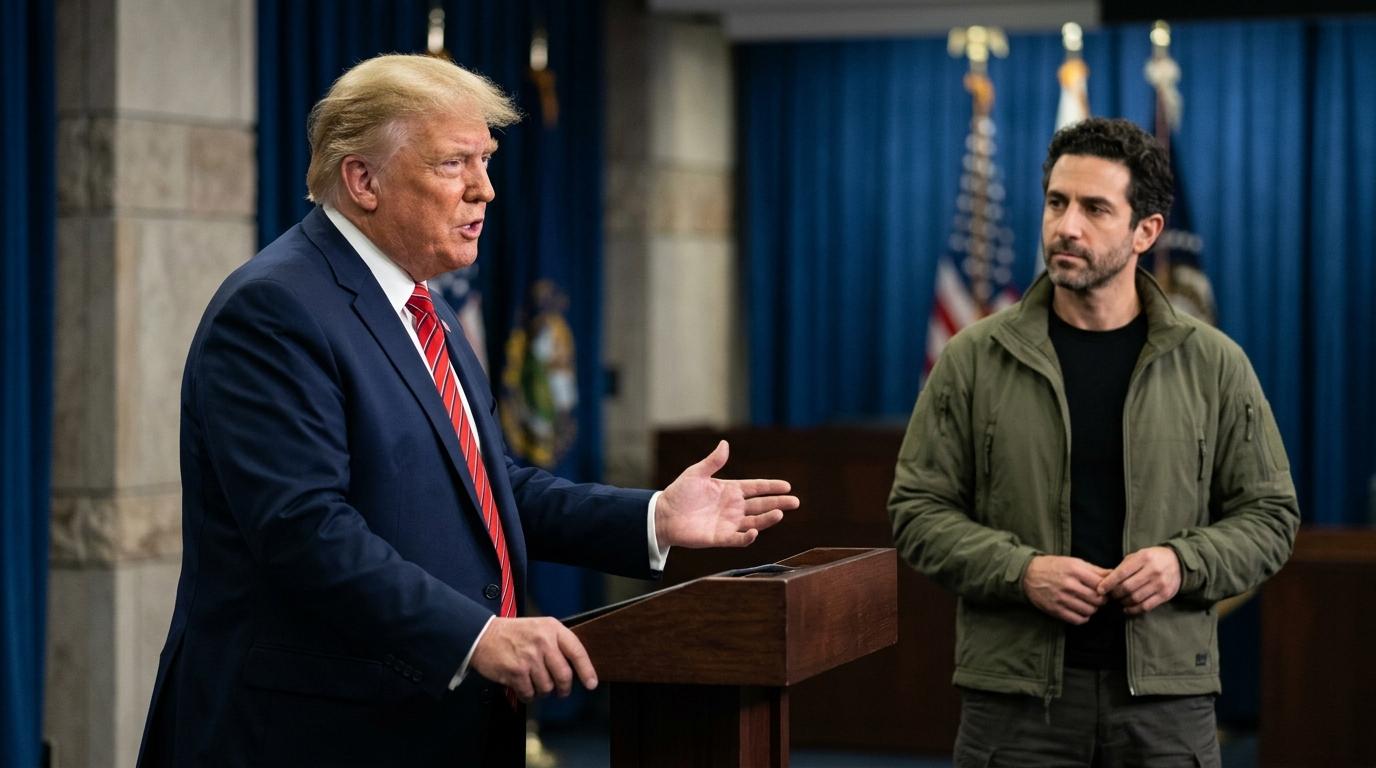
U.S. President Donald Trump announced on April 23, following separate meetings at the White House with the Israeli and Lebanese ambassadors, that both sides had agreed to extend the ceasefire for an additional three weeks.
Israeli Prime Minister Benjamin Netanyahu criticized Hezbollah in a video statement on April 24, accusing them of hindering peace efforts and vowing to maintain "complete freedom of action to counter any threat, including new threats." Israeli Ambassador to the U.S. Yechiel Leiter stated in a release concerning the April 23 White House meeting that Israel views Lebanon as a peace partner. Leiter pointed out that calls for Israeli withdrawal from occupied territories in southern Lebanon are misdirected, suggesting that peace can be achieved by focusing on the fundamental issue: Hezbollah and its intentions. He also urged Lebanon to recognize Israel's right to self-defense against attacks on civilians and its right to temporarily station troops in Lebanon.
Lebanese President Joseph Aoun stated on April 24 that Lebanon is interested in de-escalation and restoring stability, believing that "diplomacy, not escalation, is the only path to a sustainable solution." Lebanese Ambassador to the U.S. Nada Haffar Moussa urged respect for the declared cessation of hostilities. Moussa emphasized the priority of protecting civilians, humanitarian aid workers, infrastructure, and religious sites, noting that Lebanon adheres to internationally recognized borders and that the government is taking measures to maintain security and enhance stability.