Seoul Housing Market Diverges: Hangang Belt Listings Absorbed at 36.9% vs. Gangnam's 16.6%

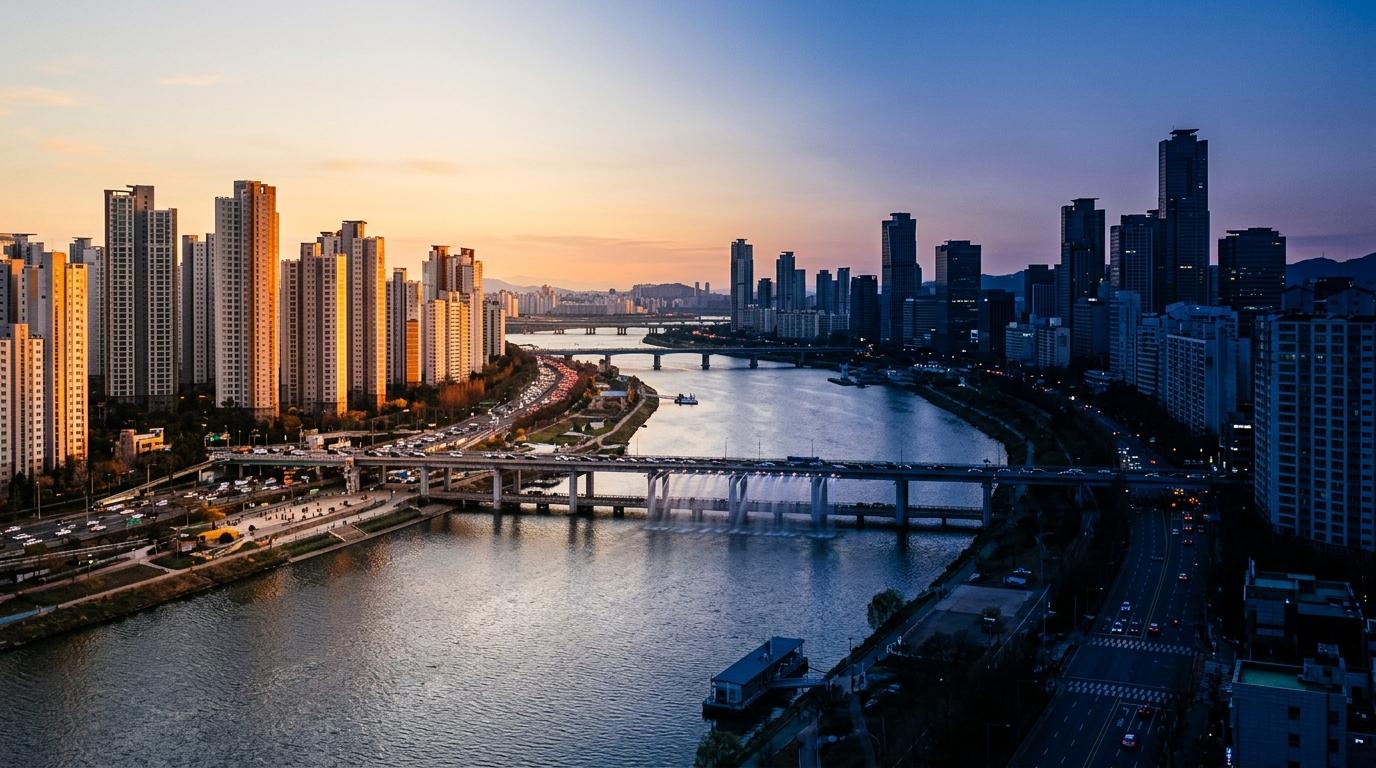
The pace at which Seoul apartment listings are being absorbed varies significantly by region. As the policy deadline for reduced capital gains tax approaches, apartments in areas favored by genuine buyers along the Han River are seeing urgent listings quickly sold off. In contrast, transactions in Gangnam are nearly nonexistent due to various regulations.
According to real estate big data platform Asil, as of April 28, there were 72,699 apartment sale listings in Seoul. This marks a decrease for six consecutive weeks since the 80,080 listings recorded in the third week of March, with approximately 9.22% of total listings being absorbed or withdrawn from the market in about a month.
The decline in listings was most pronounced in outer and mid-priced areas. Jungnang-gu (-16.9%), Nowon-gu and Gangbuk-gu (-13.4%), Guro-gu (-12.9%), Dongjak-gu (-11.5%), and Seongdong-gu (-11.1%) all recorded double-digit decreases. This trend is attributed to newlyweds and first-time homebuyers, tired of the long-term rental housing crunch, actively purchasing urgent listings priced between 600 million and 1 billion won.
The Gangnam area, subject to a combination of regulations including designated land transaction permit zones, loan restrictions, and mandatory residency requirements, continues to experience a 'transaction cliff' with very few deals occurring, leading to an exacerbation of supply-demand mismatches and accumulating inventory. The difference in buying sentiment by region is even more clearly reflected in listing absorption rates. Based on comprehensive data from the Ministry of Land, Infrastructure, and Transport's real transaction prices and Asil data for March, the listing absorption rate for the seven districts comprising the 'Hangang Belt' (Seongdong, Mapo, Yeongdeungpo, Dongjak, Yangcheon, etc.) was 36.9%. This is 2.2 times higher than the 16.6% absorption rate for the four core districts (Gangnam, Seocho, Songpa, Yongsan).
The market polarization by region is analyzed to stem from differences in price ranges and regulatory impacts. While the median prices for major complexes in the Hangang Belt range from 1 billion to 1.3 billion won, making them relatively less affected by loan regulations, the Gangnam area, with prices reaching 3 billion to 4 billion won, is structured such that only a select group of buyers with substantial financial capacity can access it. The addition of mandatory residency requirements further raised the barrier to entry for buyers.
Inventory turnover, indicating the speed of listing absorption, showed a similar trend. In March, the inventory turnover rate for the Hangang Belt was 7.22%, 3.1 times higher than the 2.31% for the four core districts. This suggests that the Hangang Belt is being reorganized into a 'circulation market' where listings trade quickly. Gangnam, on the other hand, exhibited characteristics of a 'stagnant market' with accumulating inventory. Despite sluggish transactions, price declines in Gangnam have been limited. Some complexes have shown signs of slight rebounds, and while transaction volumes remain low, prices are showing a trend of attempting to maintain their current levels.