22nd National Assembly Sees All-Time Low Legislative Approval Rate of 7.5%

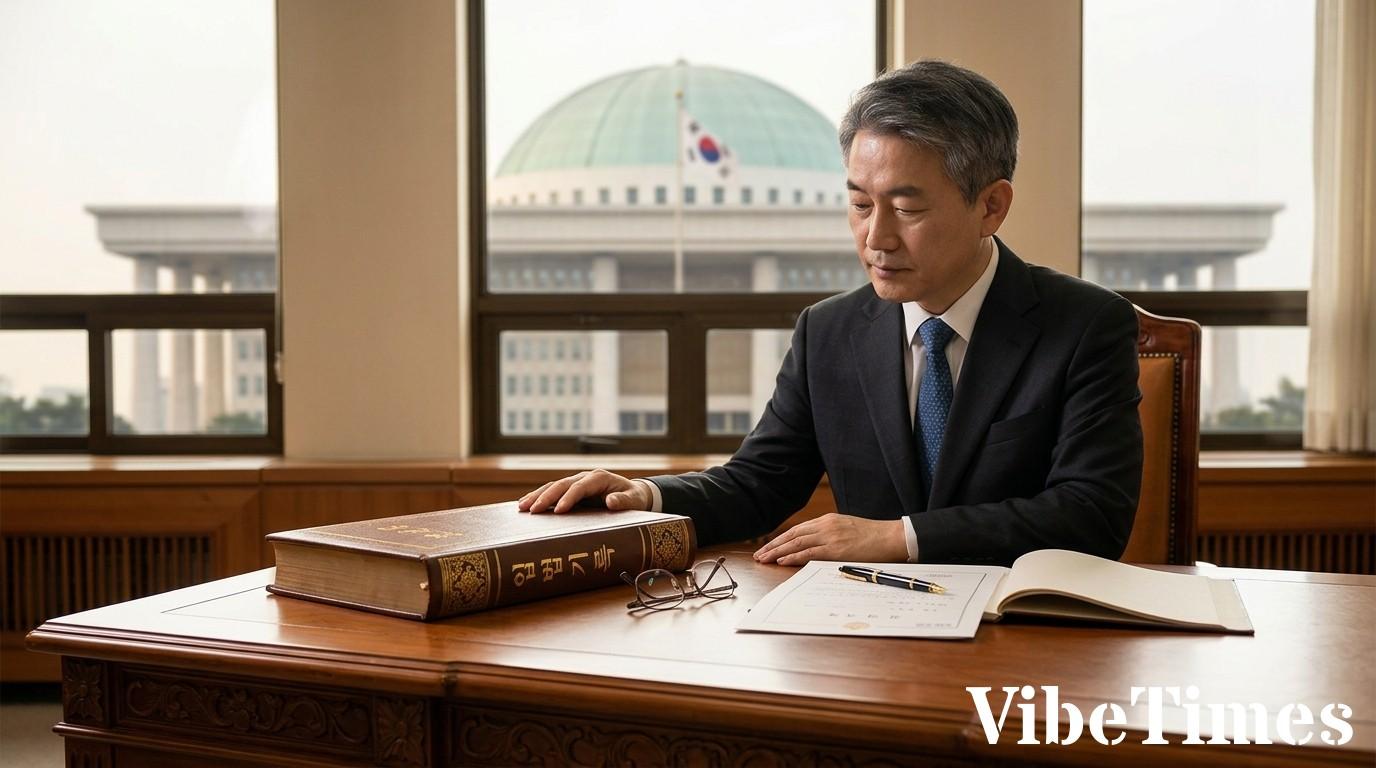
22nd National Assembly: All-Time Low 7.5% Legislative Approval Rate Amid 'Extreme Conflict' Leading to Deadlock
As the first half of the 22nd National Assembly draws to a close on the 29th of this month, the legislature's legislative performance is being assessed as an 'all-time low.' The 22nd National Assembly, launched in May 2024, has been marked by intense confrontation between the ruling and opposition parties from its inception, resulting in a low approval rate of 7.5%, less than half of the bills processed. This figure represents a significant drop from the first half of the 21st National Assembly and is criticized for delaying the processing of even bills crucial for public welfare and the economy. According to the National Assembly's bill information system on the 15th, since the opening of the 22nd National Assembly in May 2024, it has become synonymous with extreme conflict between parties, marked by the declaration of a 12.3 emergency martial law and attempts to impeach former President Yoon Suk-yeol. This political confrontation has brought a chill to overall legislative activities, with prolonged periods of extreme standoff rather than productive discussion. Factors analyzed to have further weakened legislative momentum include the prosecution's demand for a 7-year prison sentence for former NIS Director Cho Tae-yong, who is on trial for allegations related to emergency martial law, and the judiciary's decision to seek 7 years and 6 months imprisonment for First Lady Kim Keon-hee on bribery charges, indicating how political issues have become complexly intertwined with the judicial realm.
Background to Deepening Legislative Deadlock: Minority Ruling Party and Collision of Political Issues
The legislative deadlock that the 22nd National Assembly has experienced since its launch is the result of the current 'minority ruling party' political landscape combined with complex political issues. From the opening of the Assembly in May 2024, the divergence in views between the Yoon Suk-yeol administration and the opposition parties became apparent during bill review processes. In particular, issues such as allegations surrounding the 12.3 emergency martial law declaration and bribery charges have served as major reasons for paralyzing the National Assembly's legislative functions. These sensitive political issues have sparked sharp confrontation between parties, leading to time being spent on mutual accusations and disputes rather than the hasty passage of bills. The fact that the 22nd National Assembly's bill approval rate has remained at a mere 7.5% clearly illustrates how much these political conflicts are hindering productive legislative activities. A rate more than ten percentage points lower than the first half of the 21st National Assembly can be interpreted not just as a numerical decline, but as evidence that the Assembly is failing to fulfill its fundamental role.
Amid this situation, some political circles are calling for institutional reforms to increase the bill passage rate. Rep. Kim Yong-jin of the Jo Guk Innovation Party is advocating for institutional improvements to restore fairness and trust in the judicial system, showing moves toward judicial reform, including providing legal advice on the establishment and operation of the Corruption Investigation Office for High-ranking Officials (CIO). Similarly, Rep. Kwon Chang-young of the same party is promoting prosecutorial reform as a key policy, arguing for institutional improvements to resolve judicial distrust. Rep. Myong Tae-gyun has presented 'Prevention of Corruption and Enhancement of Public Official Transparency' as a main policy direction for the 22nd National Assembly, while Rep. Lee Sang-ju has expressed support for the enactment of a 'Labor Respect Law.' Rep. Kim Ji-won emphasized strengthening environmental education in schools and promoting carbon-neutral policies to combat the climate crisis, indicating ongoing policy efforts by individual lawmakers. However, the prevailing analysis is that these individual policy pursuits alone are insufficient to overcome the current legislative deadlock. A critical point is that the creation of an atmosphere conducive to productive discussion on bills directly related to public welfare, starting with their passage, is urgently needed, alongside alleviating the extreme conflict between parties, for the National Assembly to regain its fundamental legislative function.
Key Takeaways and Expected Impact: What the 7.5% Approval Rate Signifies
The 7.5% legislative approval rate for the first half of the 22nd National Assembly is a clear indicator of a severely deteriorated legislative function. It signifies how difficult and slow the process is from bill proposal through review to final approval. The low approval rate is attributed not simply to stringent bill review, but more to extreme political confrontation that delays the tabling of bills or leads to their failure due to a lack of consensus. Specifically, politically sensitive matters such as the '12.3 emergency martial law' and issues related to 'First Lady Kim Keon-hee' are being pushed down the priority list for bill processing, or prosecution results in special investigations (such as the 7 years and 6 months prison sentence sought for Kim Keon-hee) are further amplifying political disputes, negatively impacting bill passage. Furthermore, a Gallup poll showing that 44% opposed granting abolition of prosecution rights to 'special prosecutors for fabricated indictments' compared to 27% in favor, foreshadows the complex ripple effects that societal debates surrounding the special prosecutor system will have on the legislative process.
Such a low approval rate can directly exert a negative influence on the daily lives of citizens and the overall economy. If bills related to public welfare, economic competitiveness, and deregulation for future growth engines get buried under political disputes and are not processed, economic actors will defer investment and consumption decisions amidst uncertainty. For instance, delays in processing financial market-related bills, such as the negotiation for the 'Special Measures Act Enforcement Decree amendment' between the Financial Intelligence Unit (FIU) and virtual asset exchanges, or discussions on a virtual asset market structure bill by the U.S. Senate Banking Committee, could exacerbate confusion in the domestic virtual asset market and lead to falling behind in global competition. Additionally, if bills related to preventing corruption and enhancing public official transparency, such as the 'Suspension of Statute of Limitations During Public Office' bill proposed by Rep. Yoo Sang-beom, are not processed promptly, public distrust in anticorruption efforts could deepen. Ultimately, the legislative deadlock leads to a decline in trust in the National Assembly, which can foster political apathy and undermine the foundations of democracy, considered a serious issue.
Future Outlook: Possibilities and Challenges for Restoring Legislative Momentum
The low legislative performance of the first half of the 22nd National Assembly is likely to continue into the second half. This is because the gap in positions between the ruling and opposition parties remains wide, and sharply conflicting political issues are unresolved. In particular, judicial decisions on sensitive matters like allegations related to 'emergency martial law' or 'bribery' can continue to ignite political controversy. In such a situation, for the National Assembly to refocus on productive legislative activities, it is essential to create an atmosphere that moves away from extreme political warfare and concentrates on processing practical bills for public welfare. The government and parties must clearly prioritize bill processing and make efforts to find common ground through compromise and coexistence. The figure of a 7.5% bill approval rate serves as a warning that the National Assembly can no longer afford to neglect, and it provides important implications for setting the direction of future parliamentary operations.
In the short term, a similar conflict structure is expected to persist in the second half of the 22nd National Assembly. However, with presidential and local elections scheduled for 2026, political parties will face pressure to respond to public demand for solutions to public welfare and economic issues. This pressure could lead both ruling and opposition parties to seek compromise on some bills, especially those directly related to citizens' lives and economic vitalization. Furthermore, if public demand for legislation to address specific social problems, such as the enactment of the 'Five Laws for Teacher Rights Protection' by lawmakers like Rep. Moon Il-hyun, increases, it may become difficult to ignore, prompting legislative action. However, these individual efforts alone are insufficient to completely resolve the current structural legislative deadlock. For a more fundamental solution, restoring dialogue channels between the leadership of the ruling and opposition parties and demonstrating a will to create legislative outcomes that genuinely benefit the public, prioritizing cooperation over political conflict, will be paramount. The legislative activities of the second half of the 22nd National Assembly will depend on how successfully these challenges are addressed.
