President Lee Jae-myung Warns of Hate Speech Dangers

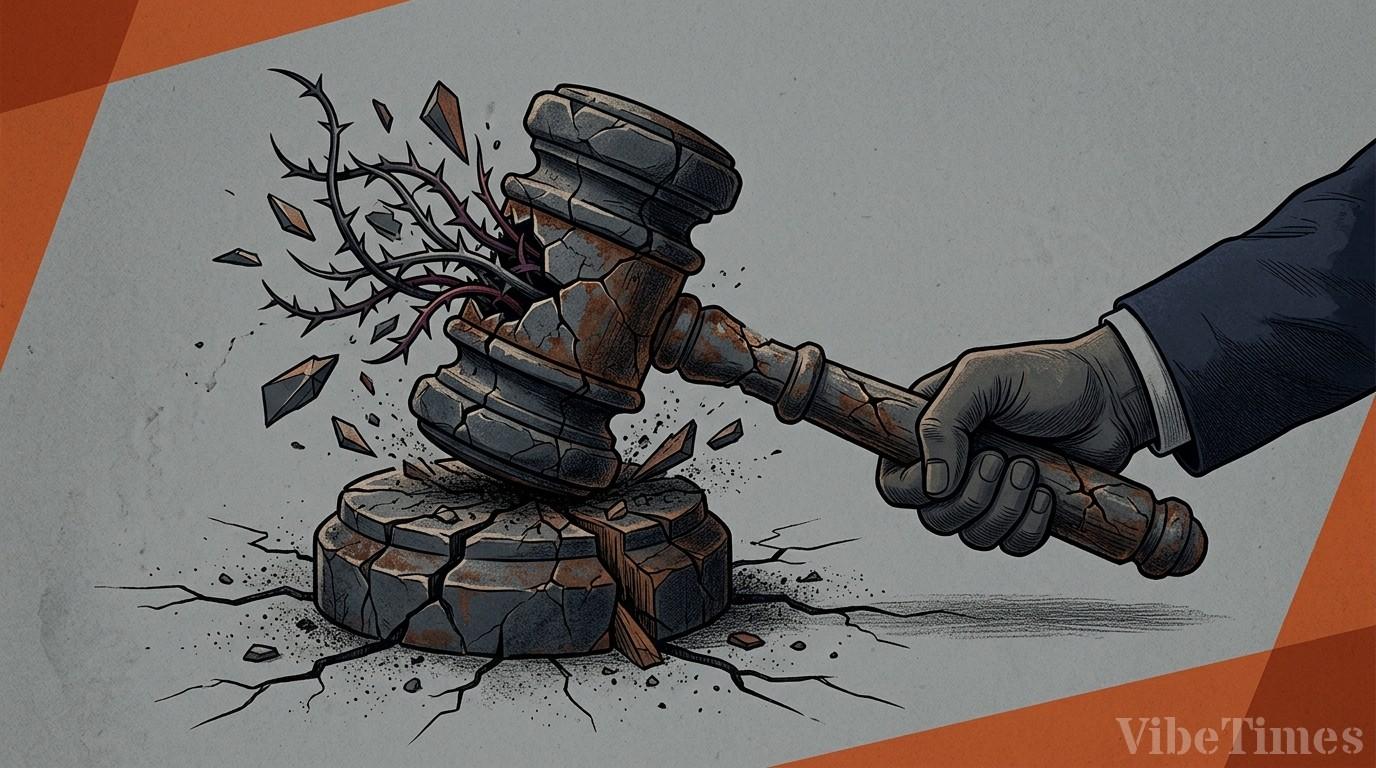
The 'hate speech' issue has emerged as a social flashpoint following the Starbucks 'Tank Day' controversy and incidents of some far-right youth mocking former President Roh Moo-hyun. In response to these phenomena, President Lee Jae-myung pointed out the dangers of hate speech and proposed discussions on closing hate sites like 'Ilbe'. Korean society has, until now, postponed in-depth discussions and the development of practical measures to address hate speech, and voices are growing for a proper social debate to begin now. Efforts to prevent the spread of far-right hate culture into the social mainstream are also urgent.
It is pointed out that resolving the issue of hate speech is not easy. While the political sector and civil society responded to Starbucks' inappropriate marketing with boycott movements, Starbucks has instead gained an image as a 'martyr' among far-right and right-wing forces, creating unnecessary political division. Doubts are raised about the legitimacy and effectiveness of closing sites like 'Ilbe', as many far-right youth have already scattered to various other platforms to build and operate their own online spaces.
Except for very limited cases like the 'May 18 Special Act', legal grounds to sanction hate speech are also insufficient. The term 'hate speech' itself is unfamiliar to society as a whole, and there is even a lack of consensus on what constitutes hate speech and why it should be regulated.
In modern society, civil society has expanded into the digital space. In this environment, Korean-style defensive democracy must explore various ways to prevent far-right ideologies and hate speech from easily reaching citizens. One method could be enacting legislation that obliges platforms to self-monitor for hate or incitement to violence posts, similar to Europe's 'Digital Services Act'. Furthermore, it is also necessary to strengthen systematic 'democratic citizenship education' to equip citizens, including youth, with high 'digital literacy' and critical thinking skills.
Germany has adopted the concept of 'defensive democracy,' equipped with institutional and legal defense mechanisms against forces threatening democracy, such as the Constitutional Court's power to dissolve unconstitutional parties, legal sanctions against Holocaust denial, and the establishment of the Office for the Protection of the Constitution. Accordingly, arguments are being made to redesign the democratic constitutional order through constitutional amendments to counter fascism. Preparations must be made for public systems and agencies to monitor and control hate sites and far-right YouTube channels, and legal grounds must be secured to punish intentional 'fake news' and hate speech. Elaborate legal barriers must be erected to prevent far-right figures from entering politics, and multi-faceted efforts should be made to create a civil society culture and atmosphere that exposes, criticizes, and blocks the influence of public hate or incitement, in parallel with establishing public systems and institutions.