Kosdaq 'Trillion-Won Club' Listings Down 43%, Polarization Worsens

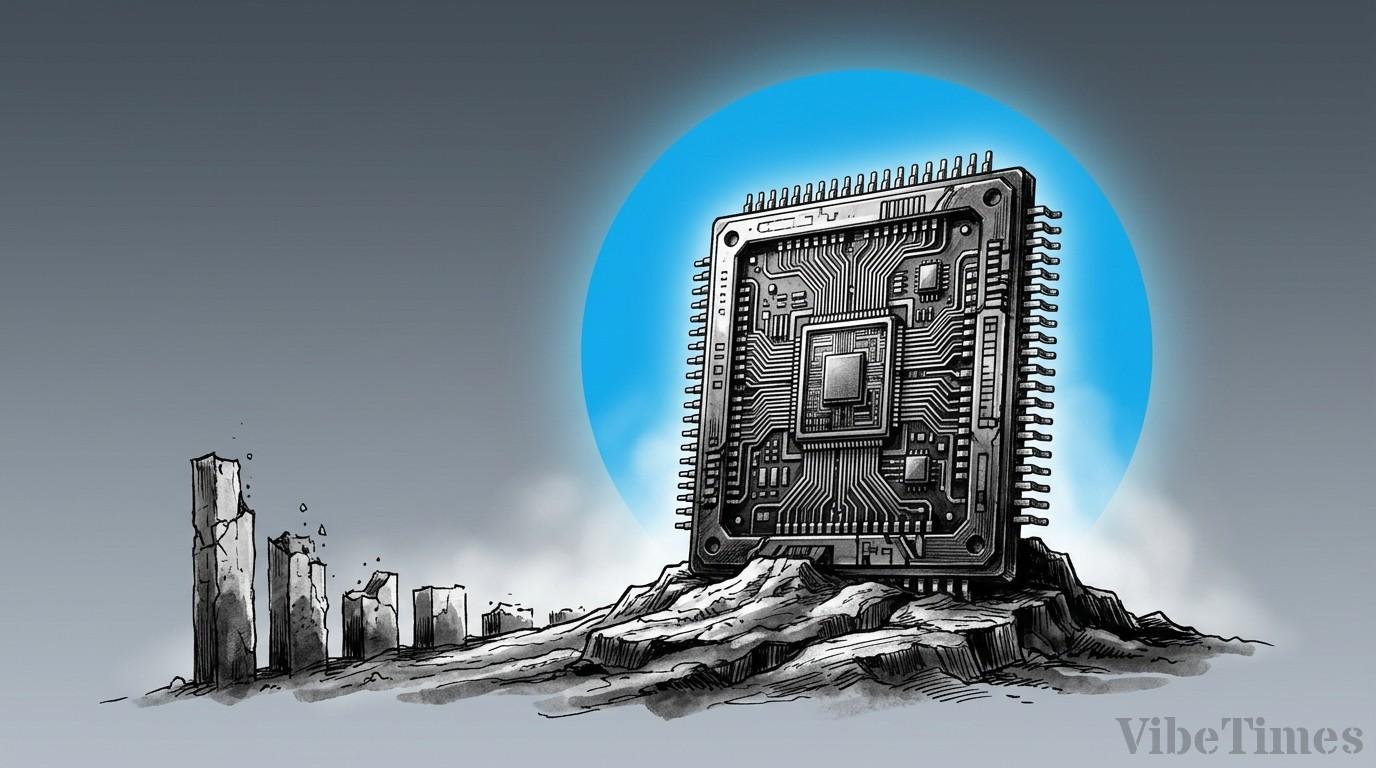
The number of companies in the domestic stock market with a market capitalization exceeding 1 trillion won has fallen by more than 90 in the past two months. The 'trillion-won club,' which stood at 405 companies at the end of April, decreased by 22.5% to 314 as of May 3rd. This decline occurred despite the KOSPI index showing signs of recovery, indicating that market gains were concentrated in specific stocks.
The number of companies valued at over 1 trillion won in the domestic stock market first surpassed 400 on April 29th, reaching 405. At that time, the KOSPI closing price was 6,690.90. However, by May 3rd, as the KOSPI closing price rose to 8,088.34, the number of 'trillion-won club' stocks decreased to 314. Despite the index gaining nearly 1,400 points, the number of trillion-won club companies dropped by 91.
The surge in the stock market was led by large semiconductor stocks such as Samsung Electronics and SK Hynix. As of May 3rd, Samsung Electronics' market capitalization was reported at 1,809.4 trillion won, and SK Hynix's at 1,728.3 trillion won. These companies spearheaded the index's rise, creating a disconnect between the overall market gains and investors' actual experience.
Notably, the number of 'trillion-won club' stocks within the KOSPI market decreased from 267 on April 29th to 235. This trend is similar to the period when the KOSPI recorded its all-time high of 9,114.55, with 233 companies in the club. The decline in the KOSDAQ market was even more pronounced. The number of KOSDAQ 'trillion-won club' stocks dropped from 137 on April 29th to 78 on May 3rd. This represents a steep 43% decrease in just about two months, lowering the proportion of KOSDAQ stocks in the overall trillion-won club to 24.84%.
The decrease in the '10 trillion-won club' (companies valued at over 10 trillion won) was relatively more limited. While the number of trillion-won club stocks decreased by 22.5% over the same period, the number of 10 trillion-won club stocks fell by 10.1% to 71. This suggests that recent gains in the domestic stock market have been driven primarily by large-cap stocks.
Despite the index rebound, the recovery in market capitalization for small and mid-cap stocks and KOSDAQ listings was sluggish, leading to deepening polarization within the market. The decrease in the number of companies valued at over 1 trillion won is attributed to the concentrated buying of large semiconductor stocks like Samsung Electronics and SK Hynix, which led the KOSPI's rise and widened the gap between the index performance and the perceived market sentiment. The dominance of large-cap stock trading amplified this phenomenon. Even with the index rally driven by large semiconductor stocks, the market failed to see broad-based recovery, and stock-specific polarization continued to deepen, a trend that is expected to persist for some time.