400 Billion Won in Red Ink, Yet Wolmi Sea Train Cannot Be Abolished

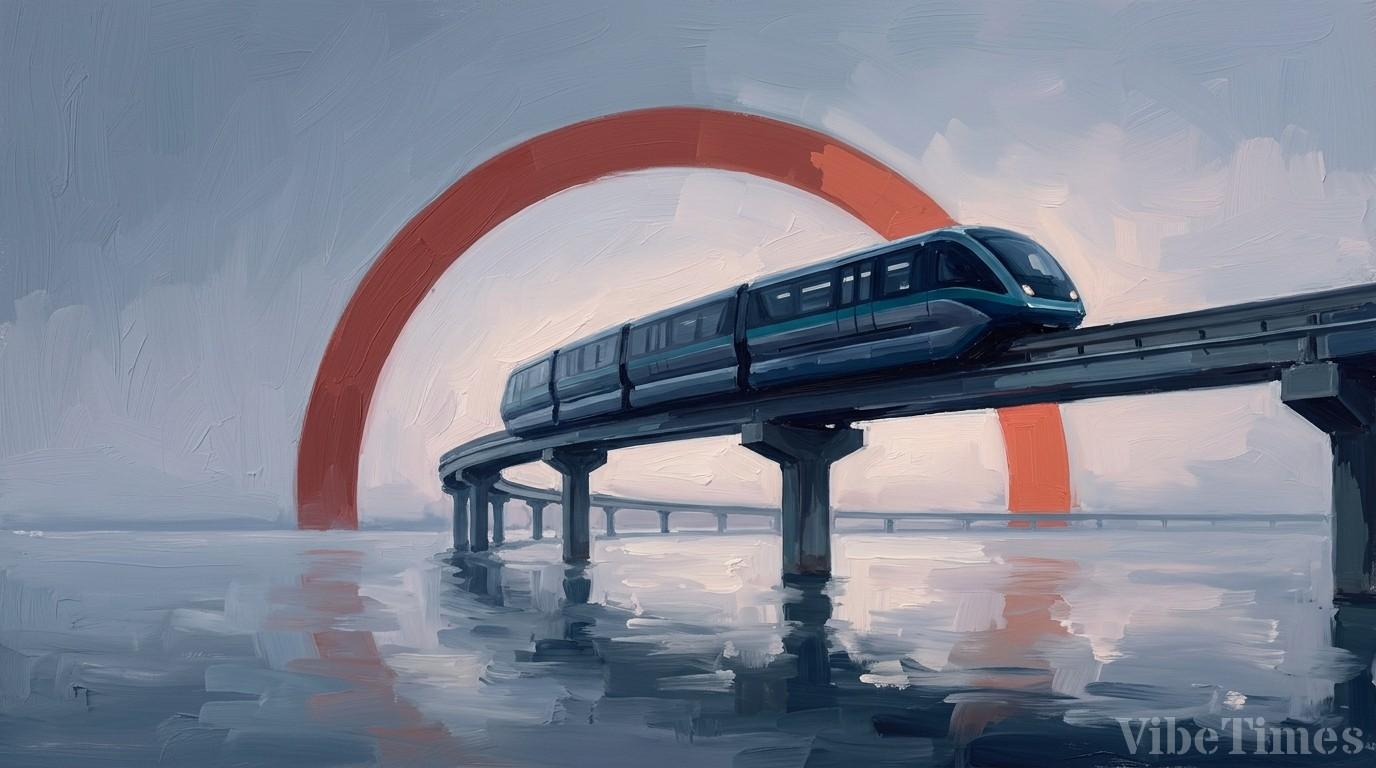
The Wolmi Sea Train in Incheon, which began operations in October 2019, is recording an annual deficit of approximately 6 billion won. It is estimated that the cumulative deficit will reach 40 billion won by 2025. While annual operating revenue stagnates at around 1.5 billion won, operating costs exceed 3 billion won, making it structurally difficult to avoid a deficit.
The Incheon City Council urged measures, including the suspension of the Wolmi Sea Train's operations, to prevent the waste of taxpayer money. Former Incheon city council member Yoo Seung-bun pointed out that if the deficit structure cannot be improved through management innovation, operations must be halted. Former Incheon city council member Kim Yong-hee also stated that it is time to discuss the operation of the train, which injects over 5 billion won in taxes annually. However, following the local elections, related discussions have sunk below the surface.
While there are many loss-making public facilities operated by local governments, cases where the suspension or merger of such facilities are discussed are rare. Public officials hesitate to decide to close facilities due to liability for business failure, huge sunk costs, backlash from local businesses, and employee employment issues. Lee Gong-ju, a professor of Law and Public Administration at Sangji University, diagnosed that for local government heads with fixed terms, the decision to define and wrap up a project into which a massive budget has been poured as a failure is inevitably a burden.
The Daegu Livestock Promotion Center fills an annual deficit of over 1 billion won with tax revenue, as its income is a mere 140 million won against annual operating costs of approximately 1.1 billion won. Daegu city council member Jung Il-kyun urged a conversion of the facility into a space for public sports or cultural performances, arguing that it is being neglected due to its distorted structure.
Cheongyang County, South Chungcheong Province, spends 6% of its total budget on maintaining public facilities. Cheongyang county council member Lee Bong-kyu stated that tax money is going into facilities that residents do not actually use, increasing the financial burden.
The Ministry of the Interior and Safety stated that the decision to close or merge operating facilities is a matter for the head of the local government to decide, making it difficult for the central government to intervene.