Criminal Procedure Code Revision Passes National Assembly... Prosecutorial Investigation Authority Abolished for First Time in 78 Years

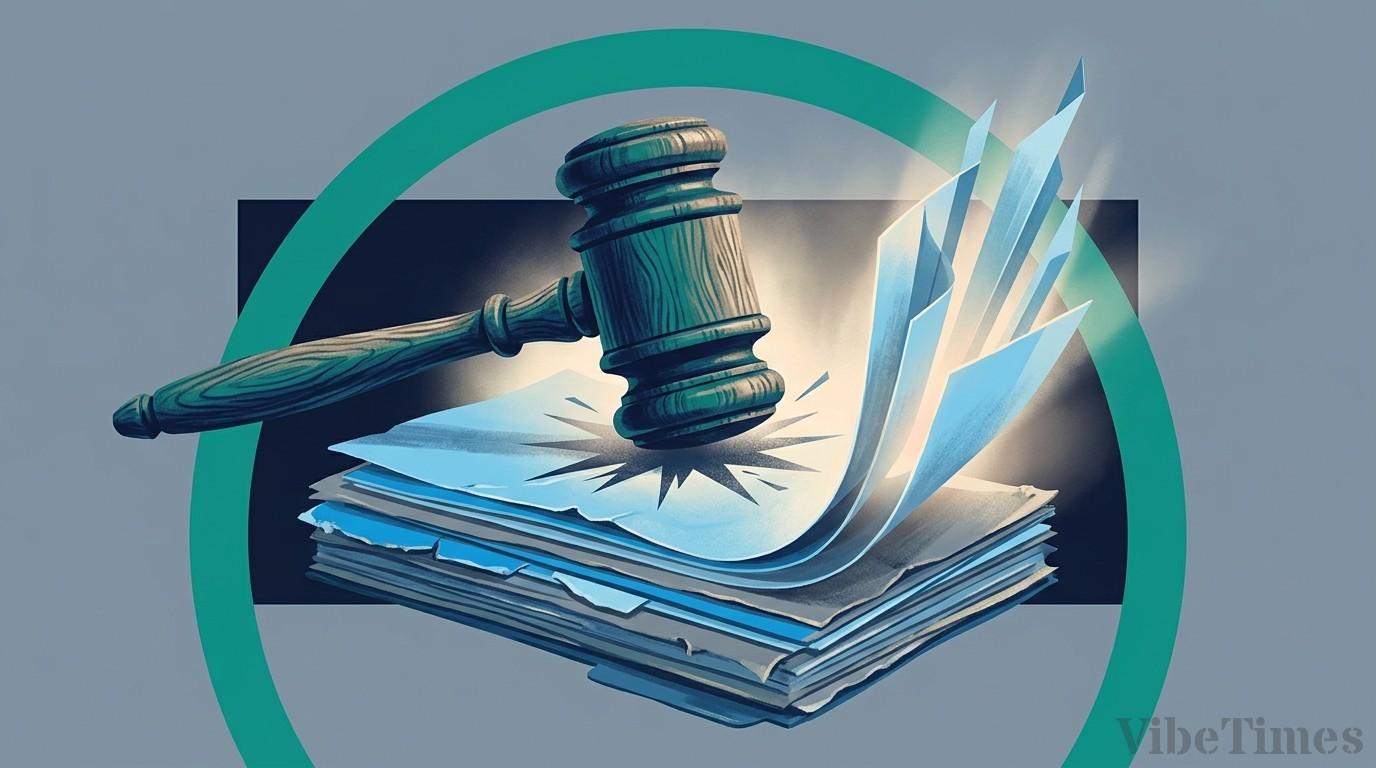
Complete Overhaul of Judicial System for the First Time in 78 Years... Complete Separation of Investigation and Indictment
The most significant transformation of the judicial system in 78 years has been implemented since the enactment of the Criminal Procedure Code in 1954. On the 31st, the National Assembly plenary session passed the revision to the Criminal Procedure Act, led by the ruling party, which completely abolishes the prosecution's direct investigation powers. The image of prosecutors scouring crime scenes—a staple of television dramas—will now fade into history. This puts a period to the Lee Jae-myung administration's prosecutorial reform legislation, which had been racing since the government's inception, concluding the journey in approximately one year and two months. This measure, which shakes the very foundations of the judicial system, is expected to serve as a catalyst triggering a realignment of roles and authority among investigative agencies.
Key Issues and Specific Targets of the Bill
The core of the revised Criminal Procedure Code lies in completely blocking the prosecution's authority to investigate cases directly. In the past, when the police transferred a case, the prosecution could exercise supplementary investigation authority to conduct additional inquiries. However, under this revision, prosecutors will solely exercise the power of indictment (public prosecution) to request a trial based on cases handed over by judicial police officers. This creates a structure where investigation and indictment powers are perfectly separated by agency.
The principle of complete abolition of investigative powers includes specific exceptions, leaving the embers of political dispute. Exceptions allow for prosecution intervention in cases of dismissal of indictment or special counsel investigations related to the National Election Commission. The opposition strongly criticizes these exceptions as violating the principle of equity, pointing out that the law revision is tailored to specific cases or political situations. Conversely, the ruling party argues that the measures were inevitable for the realization of judicial justice.
Sharp Contention between Political Circles and Civil Society
Stances of the ruling and opposition parties are starkly divided. Notably, dissent within the Democratic Party of Korea drew attention. Rep. Kwak Sang-eon, the son-in-law of the late former President Roh Moo-hyun, cast a dissenting vote in the plenary vote. Rep. Kwak argued that excessive legislation could increase public suffering and suggested focusing on supplementing shortcomings rather than exercising the President's veto. On the other hand, the mainstream of the Democratic Party defended the legitimacy of processing the revision, calling it a necessary completion of democracy to prevent the unchecked power of the prosecution. The People Power Party maintained its position of total opposition, stating that depriving the prosecution of investigative powers is dangerous legislation that collapses national discipline.
Simultaneously, political conflicts surrounding the special counsel on rebellion and the comprehensive special counsel remain unchecked. With former Justice Minister Park Sang-jae, accused of soliciting the suppression of an investigation into First Lady Kim Keon-hee, receiving a dismissal of indictment in the first trial, the ruling and opposition parties are clashing again. The ruling party argues that the former Minister Park's case should be investigated by the prosecution, not the special counsel. In contrast, the opposition party counters that the matter is not subject to special counsel investigation and accuses them of engaging in political retaliation. The second Kwak Chang-young comprehensive special counsel team continues to summon Rep. Yoon Han-hong to intensely question allegations regarding the selection of construction contractors for the move to the presidential office residence.
Future Legislative Procedures and Social Ripple Effects
While the passage of the Criminal Procedure Code revision through the plenary session has established the framework for prosecutorial reform, significant tasks remain. It needs to be verified whether the police and the Corruption Investigation Office for High-ranking Officials (CIO) can perfectly fill the void left by the prosecution's loss of investigative powers. The urgent task has emerged to prepare additional institutional mechanisms to check the blooming authority of the police. Political circles are already accelerating follow-up legislative moves to prevent a monopoly on police investigative powers. Interpretations among experts regarding the impact of such a rapid shift in the judicial system on the stability of the actual criminal justice system remain tightly divided.
Discussions on the abolition of the prosecution and the expansion of the CIO's role are expected to continue. Amidst ongoing special counsel investigations regarding rebellion and the comprehensive probe, discussions on the limitations and effectiveness of special counsel investigations are likely to intensify. The government and the National Assembly face the task of promptly preparing follow-up measures to minimize legal confusion following the implementation of the revision. The results of investigations into pending issues, such as the presidential office relocation allegations, are expected to serve as the yardstick determining the substantive success of the prosecutorial reform.
