Oil Prices Jump 31.8% in Won Terms Despite Stronger Currency, Adding Pressure on Inflation

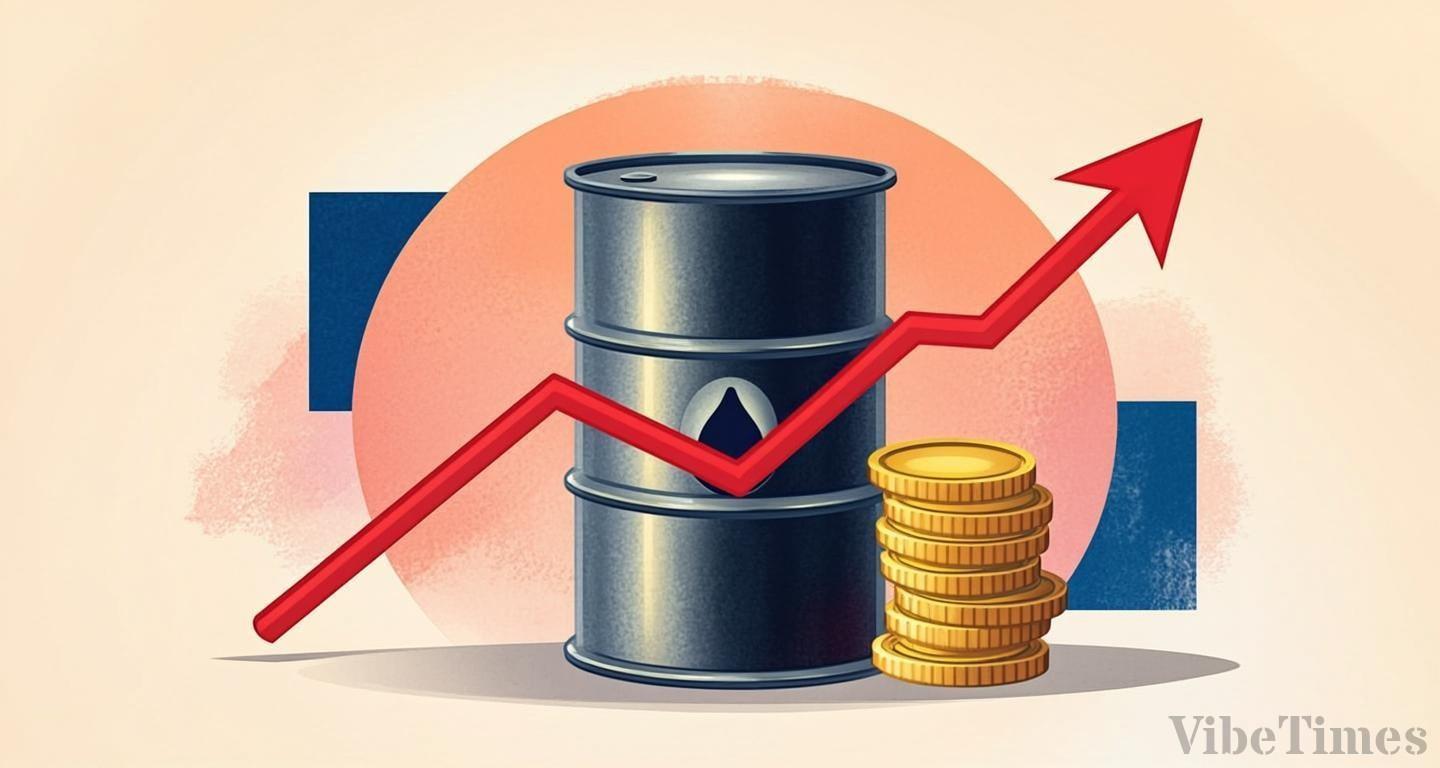
Soaring international oil prices are building upward pressure on domestic inflation even as the Korean won strengthens. A falling won-dollar exchange rate would normally lower crude oil import prices, but Dubai crude—the benchmark for Middle Eastern oil, which South Korea primarily imports—has jumped nearly 40% in a month, limiting the impact of the currency's decline.
According to Korea National Oil Corporation price data on the 14th, the Dubai spot price stood at $123.66 per barrel on the 11th, up 39.0% from $88.99 a month earlier. The September average is 29.2% above the $85-per-barrel annual average the government assumed for this year in its second-half economic growth strategy.
In particular, Dubai crude, which heavily influences Korea's crude import prices, rose more steeply than other international benchmarks. Comparing the August average with the September 1–11 average, Dubai crude climbed 23.8% while Brent crude gained only 17.7%. As a result, the price gap between the two grades widened from an average of $0.66 in August to $10.91 in September.
The exchange rate shield has its limits, too. The won's recent appreciation has absorbed some of the increase. The won-dollar rate fell to as low as 1,345.9 on the 11th, with the won gaining more than 5% over the past month. Even so, with Dubai crude surging 39.0% in dollar terms over the same period, the won-denominated increase reached 31.8%.
The U.S. Consumer Price Index (CPI) for August rose 0.4% from the previous month, exceeding market expectations. The Federal Open Market Committee (FOMC) meets on the 15th and 16th. Rising international oil prices are typically passed through to domestic petroleum product prices with a certain lag. The government forecasts consumer inflation of 2.6% for this year, and the cumulative rate for January–August was in the 2.6% range. It is delaying price pass-through through measures such as the petroleum price ceiling system, quota tariffs, and freezes on electricity and gas rates.
Kim Sang-bong, an economics professor at Hansung University, said, "Given the significant impact of international oil prices on domestic inflation, achieving this year's inflation target may prove difficult," adding, "We need to respond while closely monitoring the trajectory of international oil prices going forward."