US House to Review Bitcoin Reserve Bill on the 16th

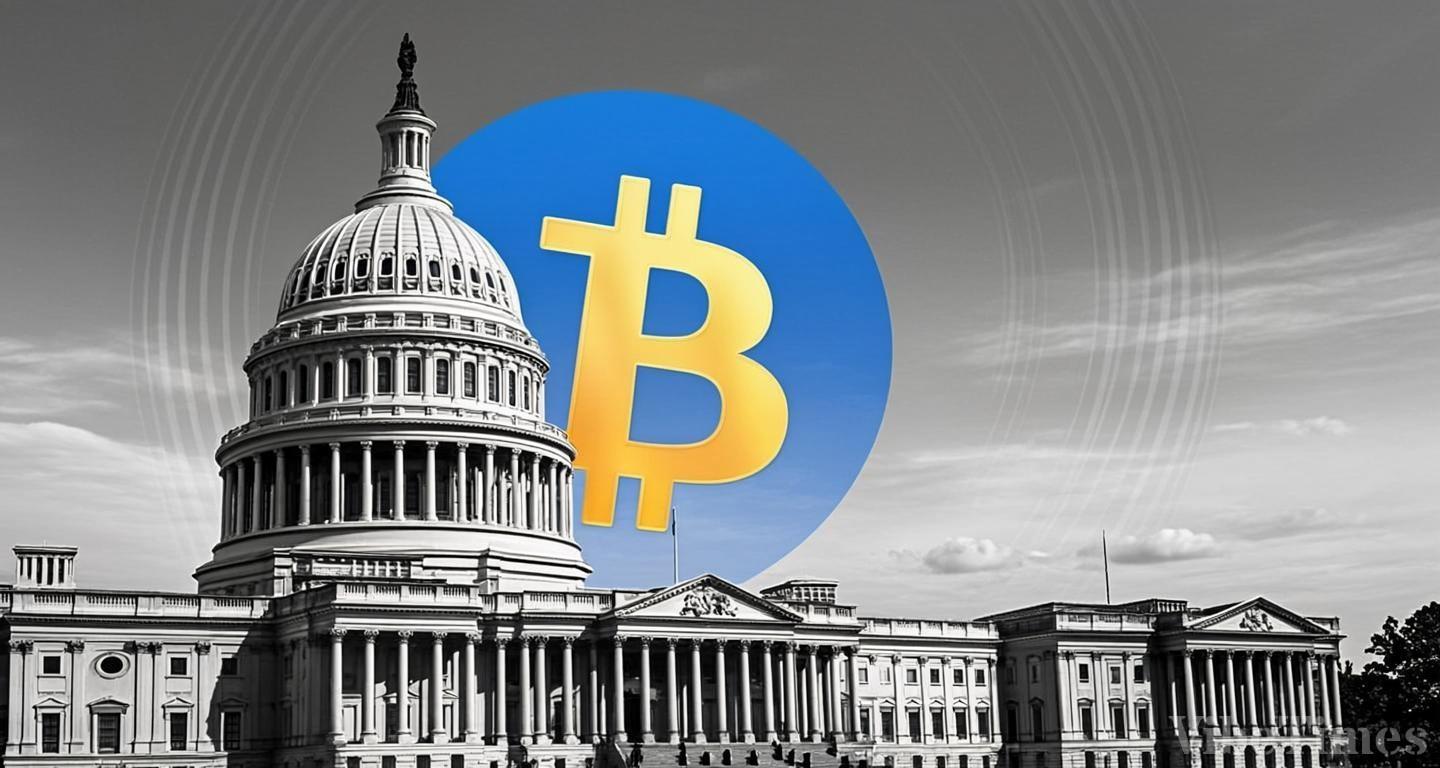
The US House Financial Services Committee will review a bill on the 16th aimed at establishing a legal foundation for a national strategic Bitcoin reserve.
The bill under review is H.R. 8957, the "US Reserve Assets Modernization Act." The House Financial Services Committee has confirmed the bill as an agenda item for a full committee session on the 16th. The bill's core provision would establish a strategic Bitcoin reserve system within the Treasury Department. The Bitcoin holding policy pursued by the current administration has so far rested on executive orders, leaving it vulnerable to being scrapped at any time by a change in government. If the bill passes, the Bitcoin reserve would be codified into law, significantly enhancing the program's durability.
Why Legislation Was Needed Now
Critics have consistently pointed out that a reserve policy based on executive orders lacks legal stability. Market participants have had to endure price volatility due to uncertainty over whether the government's Bitcoin holdings could be sold off. Codifying the reserve obligation and operating principles into law would reduce this uncertainty. Some also interpret it as laying the groundwork for the Treasury to systematically manage reserve assets, forming a new national asset portfolio alongside gold and the dollar.
Congress's succession of crypto-related bills also reflects pressure to foster the industry. Combined with ongoing discussions to legislate market structure, such as the CLARITY Act, national reserve legislation is seen as part of a broader push to legally cement the United States' status as a digital asset hub.
Key Provisions and Market Impact
The heart of the bill is a strategic Bitcoin reserve system within the Treasury. Specific details, such as how the reserve is funded, how holdings are managed, and reporting obligations, are expected to be refined during the review process. The Treasury would be the implementing body, and the key point is that Bitcoin would be officially incorporated as one of the nation's reserve assets.
The market impact falls into two categories: supply and demand, and confidence. The prospect of the government remaining in the market as a long-term buyer reinforces Bitcoin's scarcity narrative. On the other hand, if the rules governing the government's holdings remain opaque, it could instead act as a policy risk. How the committee shapes provisions on reserve size caps and disposal restrictions is likely to determine future price stability.
Different Outcomes in the Same Week: Opposition to the CLARITY Act
Separate from the Bitcoin reserve bill, the Senate's CLARITY Act is facing strong opposition. Attorneys general from 18 US states submitted a letter to Congress opposing the bill's current text. Forsyth News reported that the participating states and specific amendment requests in the letter have not been confirmed. Bitcoin.com News reported that a coalition led by the New York attorney general has also come out against the bill, citing concerns that it could limit state governments' authority to regulate virtual assets.
CoinDesk's assessment is that while Republicans incorporated more than 100 amendments reflecting Democratic demands in the new draft, core issues remain unresolved. The crux of the dispute is the division of regulatory authority between the federal government and the states. Even within the same body of crypto legislation, matters of converging interests, like a national reserve, coexist with matters of divided interests, like market regulation.
Legislative Timeline Outlook
The short-term schedule is clear. After the House Financial Services Committee's review on the 16th and a committee vote, the bill would move to the full House floor. Senate passage and a bicameral reconciliation process would still remain, so final enactment is expected to take time.
The CLARITY Act is also approaching a Senate vote, making the coming weeks a critical window that will shape the outline of the US crypto regulatory framework. Whether state-level pushback leads to revisions of the bill's text or a delayed vote is a key point to watch. Investors should keep in mind that the Bitcoin market could see heightened volatility tracking the pace at which the two bills advance.