Bill to Cut One in Three Prosecutors Lands in the National Assembly

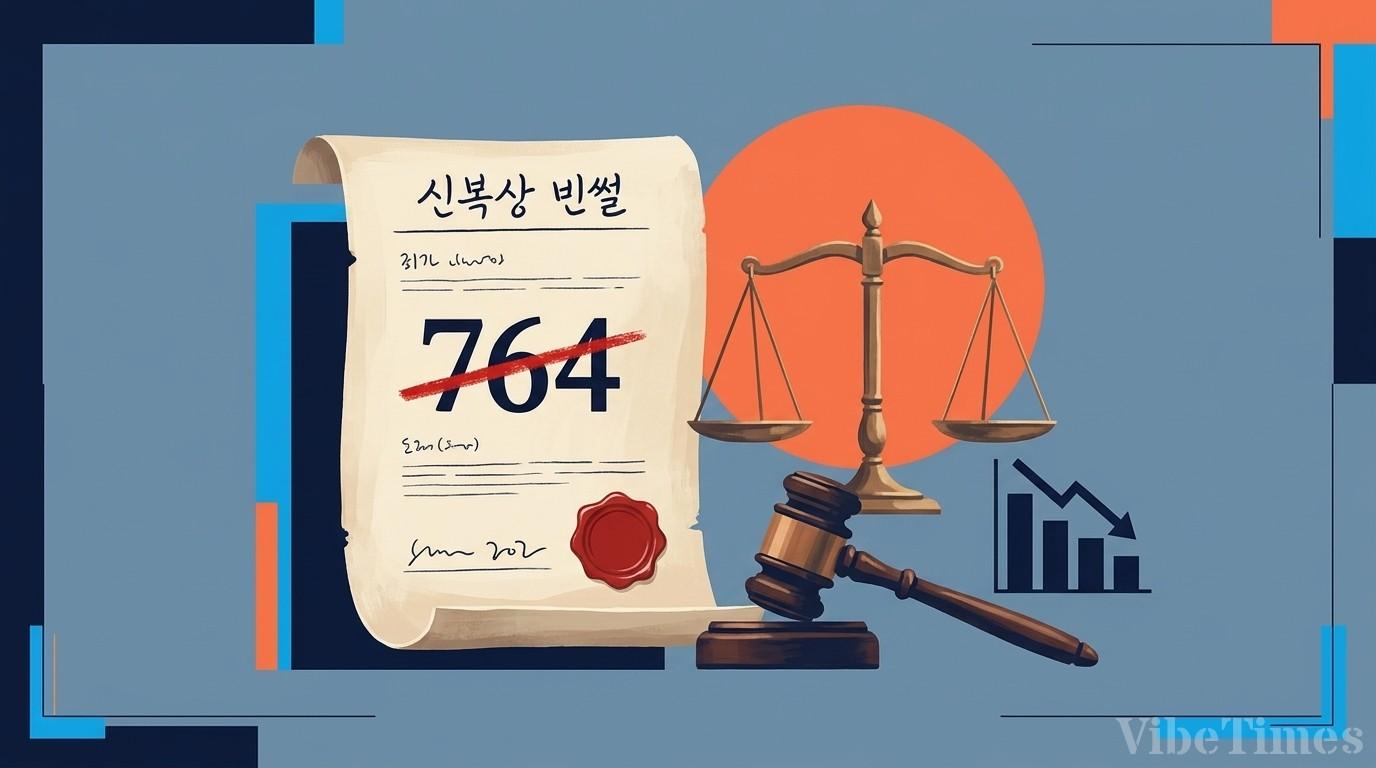
A bill to slash the number of prosecutors by one-third has landed in the National Assembly.
On the 8th, Rep. Hwang Un-ha of the Rebuilding Korea Party introduced an amendment to the Prosecutor Quota Act that would shrink the authorized complement of prosecutors from the current 2,292 to 1,528—a cut of 764 positions. Because the quota is fixed by law, the measure goes straight at the physical backbone of the prosecution service; if it passes, the organizational map of the prosecutors' office will have to be redrawn.
764 positions amount to 33.3 percent of the total quota—one out of every three prosecutors.
Why prosecutor numbers became a target of reform
Unlike ordinary civil servants, the number of prosecutors is set by statute. The idea is to stop any administration from inflating or deflating the prosecution at will—which is why the head count has long stood as a symbol of the prosecution's standing. And after years of reshuffling investigative powers between prosecutors and police effectively handed primary investigations to the police, questions have been raised repeatedly about whether the prosecution still needs to carry an organization this large.
The reform camp's logic is straightforward: relative to population, Korea has too many prosecutors, and the generous manpower enabled sprawling investigations that turned the prosecution into a super-agency capable of shaking political and economic power. The bill takes a long-standing demand of prosecution reform—a banner the Rebuilding Korea Party has carried since its founding—and translates it into the concrete figure of a staffing quota.
What the bill does—and the organizational changes to expect
The substance of the amendment is simple: it changes a single number in the law, from 2,292 prosecutors to 1,528, covering the entire complement from the central to the local level. The fallout would be anything but simple. A cut of roughly one-third would make downsizing and merging divisions at district prosecutors' offices unavoidable, and annual new hiring would have to be tightened as well for the organization to fit the reduced quota.
The allocation of investigative capacity is also expected to change structurally. The most likely picture: a growing share of minor cases handled by police from start to finish, while prosecutors concentrate on serious crime. The opposition is formidable as well. Critics argue that cutting 764 prosecutors amid a surge in drug offenses, economic crimes, and novel digital crimes would weaken the response apparatus—and behind that argument sits concern over an abrupt withering of investigative capability.
The fight for and against—and the majority party that will decide
The political battle lines are stark. The Rebuilding Korea Party, which sponsored the bill, views the downsizing as the final piece of prosecution reform. Civic groups that have long pressed for reform are likewise expected to throw their weight behind shrinking the organization. The People Power Party, by contrast, is likely to counter with the argument that weakening the prosecution opens a gap in oversight of crime. Within the prosecution itself, pushback on grounds of understaffing is highly likely.
Opinion inside and outside the legal community is split. Some analysts call the quota cut an effective structural tool for curbing overreach in investigations; skeptics counter that cutting numbers alone will not fix the prosecution's deeper problems of personnel management and culture. The prescription that follows: results will come only when the cut is paired with structural reforms such as separating investigations from indictments.
The committee gate and the road ahead
The legislative path is a familiar one. The amendment goes to the National Assembly's Legislation and Judiciary Committee, where it will be examined by a bill subcommittee and the full committee before heading to a floor vote. Since it was introduced during the September regular session, whether it clears this year's Assembly calendar may come into view within that schedule.
The Rebuilding Korea Party is a minor force in the chamber. Going it alone means steep odds, and the decisive choice ultimately rests with the Democratic Party, which holds a majority of seats. Whether the ruling party rallies behind the bill—wielding the cause of completing prosecution reform—or moderates its pace out of regard for the prosecution's resistance will shape what comes next. Even if the bill passes, there is a fair chance of renegotiation over whether the cuts take effect all at once or are phased in.
Above all, the bill has shifted the coordinates of the debate over the prosecutor quota. The tug-of-war over the right size of the prosecution service looks set to play out in and around the National Assembly for some time.