The Prosecution Service Will Close Its Doors on October 2

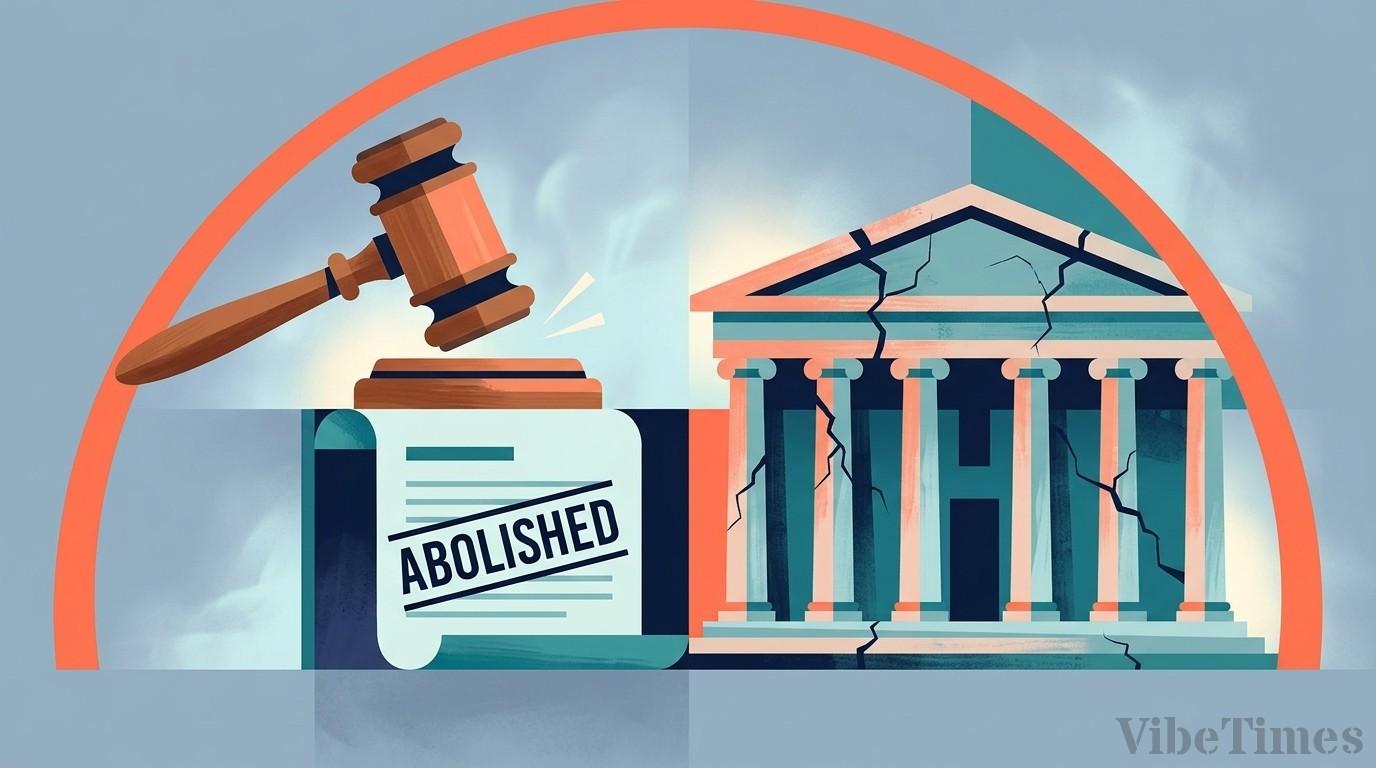
The Prosecution Service will close its doors on October 2. With the ruling and opposition parties effectively joining hands to pass follow-up legislation establishing the Major Crimes Investigation Office (MCIO) and the Prosecution Office as a package at the National Assembly plenary session on the 17th, the abolition timeline is now expected to proceed without a hitch. According to a Yonhap News report, the People Power Party has also agreed to move forward with the bills that have long been points of contention.
Follow-Up Legislation Rushed Ahead of the Launch Deadline
The starting point of this legislation is the separation of investigation and prosecution. The Lee Jae-myung administration has diagnosed the structure in which the prosecution holds both investigative and indictment powers as a breeding ground for concentrated authority, and has pushed a reorganization splitting those functions between the MCIO, dedicated to investigations, and the Prosecution Office, dedicated to indictments. The abolition of the Prosecution Service and the launch of the two new agencies were already fixed for the 2nd of next month.
Even with the deadline approaching, the detailed mechanisms remained unfinished. Follow-up tasks were still outstanding, including an organizational statute setting out structure and staffing, and an amendment to the Criminal Procedure Act redefining procedures from the opening of an investigation to the filing of formal charges. Failing to complete them in time could have left the new agencies opening their doors without a legal foundation.
On the 9th, the Democratic Party of Korea held a leadership workshop attended by leader Kim Min-seok to review its legislative strategy, and activated a working-level party-government consultative body to speed up the process.
Investigations to the MCIO, Indictments to the Prosecution Office
The framework of the bills headed to the plenary session on the 17th is simple. The investigative powers once held by prosecutors will pass to the MCIO, while the Prosecution Office takes charge of indictments and the maintenance of prosecutions through the trial stage. The amendment to the Criminal Procedure Act fine-tunes the relevant provisions to fit the new structure, in which the two agencies divide the process between them. At its core is a dual system: the MCIO handles weighty investigations such as economic crimes and corruption cases, while prosecutors at the Prosecution Office separately make the final call on whether to indict.
The staffing design has also been through debate. The organizational plan for the Prosecution Office pre-announced by the Ministry of Justice sets the number of prosecutors at 2,292. With a corps of more than 2,000 prosecutors kept in place even after investigative functions are stripped away, opinion on the design is divided.
We will put the draft up for legislative notice again if necessary. - Yoon Ho-jung, Minister of Justice
The minister's remark is read as leaving room to revisit the staffing and organizational structure.
For and Against the 2,292-Strong Roster
The ruling camp sees this legislation as the final piece of prosecution reform. Its logic is that the ills accumulated from a single agency monopolizing both investigation and prosecution can be resolved through mutual checks between two bodies.
The People Power Party has maintained its opposition to the abolition of the Prosecution Service itself but agreed to the package passage of the follow-up bills. Some in the legal community still disagree, pointing out that if 2,292 Prosecution Office prosecutors monopolize the power to indict, concentrated power may simply change its shape. Supporters of the reform counter that the dual structure itself, under which the Prosecution Office reviews the MCIO's investigation results after the fact, serves as a built-in check.
In civil society, which has long demanded prosecution reform, some see this as the moment a long-standing task is completed in law, while others caution that how the new agencies operate after launch will determine whether the reform succeeds.
Unfinished Business After Clearing the 17th Hurdle
Once the bills pass the plenary session, the legislative process will be complete. The laws are expected to take effect in step with the abolition of the Prosecution Service and the launch of the MCIO and the Prosecution Office on October 2. With the organizational plan potentially going back out for legislative notice, discussions over staffing adjustments could continue beyond the plenary vote.
The execution challenges are formidable in their own right. Practical matters—assigning existing prosecution personnel, handing over ongoing investigations, and coordinating trial procedures—must be settled within a grace period of just over two weeks. The MCIO's first investigation and the Prosecution Office's early indictment operations will serve as the first test of whether the new system takes root.
