Democrats Withdraw Bill to Strip Special Counsel's Investigative Powers After Two Days

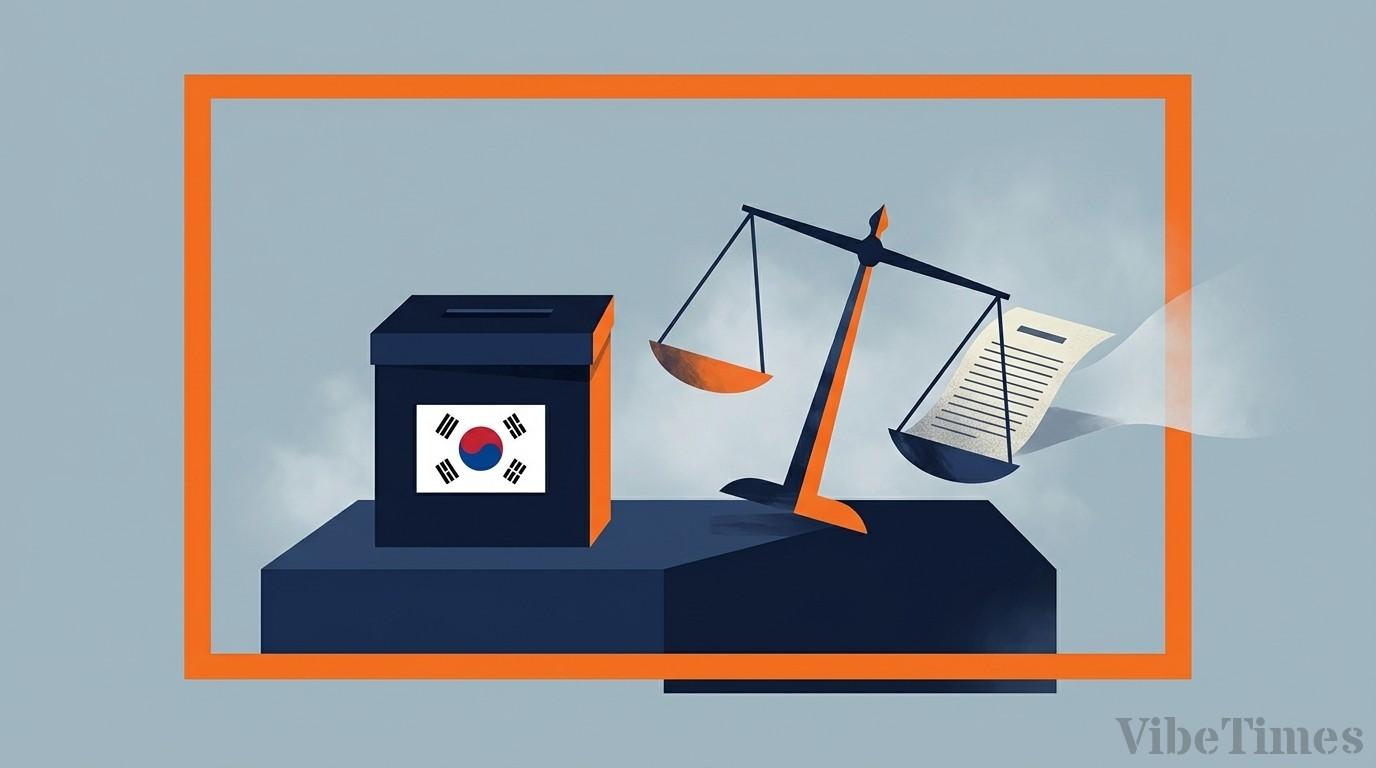
The bill to strip the special counsel's investigative powers—filed just one day after the counsel opened its doors—was pulled within two days. On the 8th, the day after the special counsel for the National Election Commission case (Lee Tae-han) launched, Democratic Party of Korea lawmakers on the National Assembly's Legislation and Judiciary Committee introduced an amendment to the Special Counsel Act deleting the investigative authority of seconded prosecutors. After strong pushback from the opposition, the Democrats acknowledged on the 10th that the bill had been filed in error and said it would be withdrawn. The upshot: the ruling party itself ended up rattling a special counsel it had set up through a bipartisan agreement.
A 'power-stripping bill' dropped a day after the special counsel launched
According to a review of Yonhap News reports, the Lee Tae-han special counsel launched on the 7th of this month under the NEC Special Counsel Act, which passed with bipartisan support. The very next day—before the investigation had even found its footing—Democratic members of the judiciary committee filed the bill stripping seconded prosecutors of their investigative authority. Had the bill passed as written, the role of career prosecutors handling investigations within the special counsel team would have effectively vanished. The internal deliberations that produced the amendment were never clearly laid out. With the abolition of the Prosecutors' Office just 22 days away, the move took on an even stronger hue of legislative confrontation.
Seconded prosecutors' investigative powers are the special counsel's backbone
A special counsel is not a standing investigative organization. It operates as a team assembled under the special counsel from prosecutors and investigators seconded from the prosecution. Hands-on investigative work—searches and seizures, questioning of suspects—rests almost entirely on the investigative authority of those seconded prosecutors. Strike that authority from the law, and the special counsel is left with command powers alone. That is why the opposition framed the bill as an attempt to neutralize the special counsel.
“A fraudulent move to gut a special counsel law achieved through bipartisan agreement” — Jeong Jeong-sik, People Power Party floor leader
Floor leader Jeong leveled the criticism at an emergency press conference at the National Assembly on the 10th. The ruling party quickly corrected course. Floor spokesperson Lee Joo-hee said in a notice to reporters that day that the bill had been filed by mistake and signaled its withdrawal.
“It was filed in error and will be withdrawn” — Lee Joo-hee, Democratic Party of Korea floor spokesperson
According to the Maeil Ilbo, the Democrats said that same afternoon they would introduce a separate amendment explicitly enshrining the seconded prosecutors' investigative authority in law. In a single day, the party had pivoted 180 degrees—from stripping the powers to preserving them. It is precisely here that critics say the prudence expected of lawmaking has been undermined.
22 days to the Prosecutors' Office abolition... a reform sprint out of step with public opinion
The episode is best read in a larger frame. The government and ruling party are 22 days from abolishing the Prosecutors' Office. The government's draft organizational plan for the Public Prosecution Service—the successor body to the Prosecutors' Office—sets the complement of prosecutors at 2,292, and the Justice Ministry says it is prepared to re-release the proposal if needed. With the prosecution overhaul timetable growing ever tighter, the move on the special counsel law is seen as having deepened uncertainty across the reform agenda as a whole.
Public sentiment runs at a different temperature. In a three-day survey conducted from the 5th through the 7th by the polling firm Joowon C&I at the request of Straight News, 57.9 percent of respondents named livelihood and economic legislation as the bills the National Assembly should prioritize. Prosecution and judicial reform trailed at just 33.1 percent—a gap of 24.8 percentage points. It is a data point lending itself to the interpretation that the rush to restructure investigative agencies is out of sync with voters' priorities, and the withdrawal only reaffirmed that disconnect.
Legislation back at square one
With the stripping bill gone, the special counsel law debate has returned to square one. The amendment preserving investigative authority that the Democrats have promised will undergo judiciary committee review before it can come up for a floor vote. The first hurdle is whether the rival parties can reach agreement again. Legislation that touches the backbone of a special counsel mid-investigation inevitably carries political cost in and of itself.
Attention is expected to converge on keeping the special counsel's investigation on stable footing. If the dispute over investigative authority reignites, even the schedule of the NEC-related probe could be shaken. A raft of prosecution reform bills, including the launch of the Public Prosecution Service, is also queued up on the National Assembly calendar, and the fallout from this episode could spread across the broader judicial reform agenda. Whether it becomes a moment to reaffirm the principle of bipartisan agreement, or reignites the restructuring debate, depends on how the National Assembly legislates from here.