President Lee Jae-myung's weapon soon became a diplomatic lever

'Arms Sales Diplomacy' Unfolds at Trump's Reception
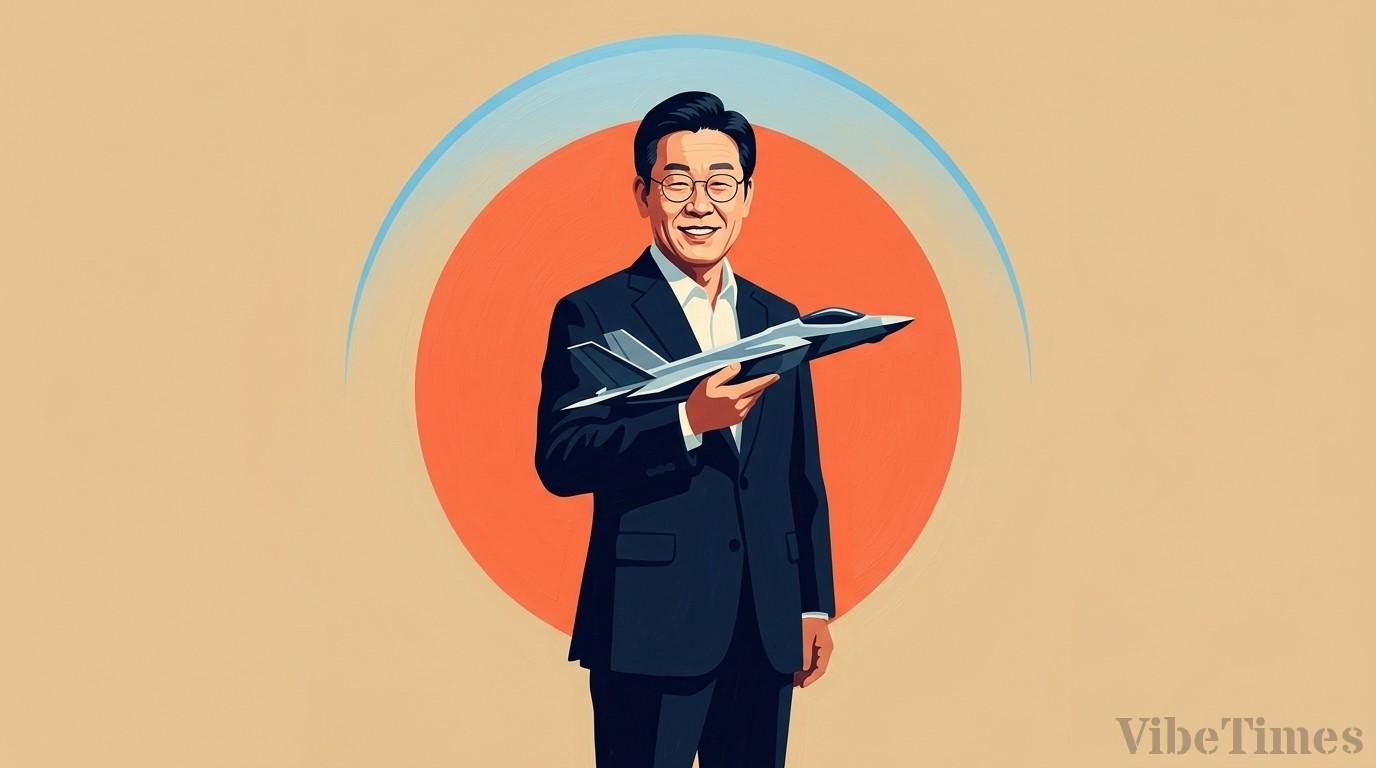
President Lee Jae-myung's weapon on his trip to the United States and Mexico was, quite literally, 'weapons.' On this G2 tour—spanning the UN General Assembly, the Korea-U.S. summit, and the first state visit to Mexico in 16 years—the president personally stepped beyond the summit table and into the reception hall to pitch arms exports. The presence of business tycoons like SK Chairman Chey Tae-won and LG Chairman Koo Kwang-mo at the Korea-Mexico business forum reads in the same vein.
Mobilizing the leadership of the business community for diplomatic engagements reflects a strategic decision to link summit diplomacy to economic results. Mexico is a production base bordering the United States and a holder of key resources such as crude oil. President Lee's direct announcement of the launch of a "dialogue channel with Mexico on crude oil and critical supply chains" is interpreted not merely as strengthening ties but as a message of intent to enter the supply chain structure itself.
Arms Exports Are a Diplomatic Lever
The harder the Trump administration presses on trade, the more arms exports become both a bargaining chip with Washington and a spearhead for entering the Latin American market. As Poland's K2 tank deal showed, once secured, an arms contract generates decades of maintenance, upgrades, and follow-on orders. His appeal to Mexico's Senate leadership for legislative cooperation centered on AI and defense appears to be long-term planning aimed at building institutional foundations beyond simply signing contracts.
One notable point is the pace control. At a Korean residents' dinner in Mexico City, the president himself moderated the speed of reform, saying, "If you go too fast, too far, too hastily, you invite a backlash." They say success comes to those who chase it, but in politics, it is those who manage their pace that hold onto success the longest. Rather than matching the pace of visible wins from arms diplomacy, the emphasis appears placed on building the invisible foundations of supply chains and institutions.
A Five-Year Term Without Reelection Means Growing Pressure for Results
Behind the trip's diplomacy lies a domestic political variable. At a meeting with Korean residents in Mexico, the president once again ruled out seeking a second term, saying, "There will absolutely be no crossing over June 2, 2030." The fate of a leader who caps his own term is time. Since diplomatic and trade results typically take years to materialize, establishing channels early in the term becomes all the more urgent.
Public opinion has already turned cold. Approval of the president's handling of state affairs fell to 30.6% in recent surveys, and even among voters in their 40s and 50s it remained stuck in the 30% range. The drift away among middle-aged supporters—the administration's base—also underlies the argument for slowing the pace of reform. The key question is whether the administration can withstand falling approval while arms and supply chain diplomacy works through the time lag before ordinary people feel the benefits.
Signs of Fracture and Diplomatic Risk
Cracks are also appearing within the ruling camp. When writer Yu Shi-min criticized the direction of prosecutorial reform, saying it "reeked of a fish market gone bad," the presidential office expressed regret, saying he "distorts the president's commitment to prosecutorial reform contrary to the facts," and even weighed legal action. The reason the president's call to ease the pace—"rushing invites backlash"—effectively diverges from Yu's view is clear: a factional divide between 'movement-style reform' and 'governing-style reform' has surfaced over how reform should be carried out.
Diplomatically, the Ukraine variable remains. On President Zelensky's revealing in his UN speech that two North Korean POWs were transferred to South Korea, President Lee said, "He disclosed it in violation of a confidential agreement—it's deeply regrettable." Having upheld the principle of confidentiality on such transfers on grounds of human life and national security, if this trust issue recurs it could spread beyond the POW question into a broader risk for cooperation with Ukraine.
The real measure of this trip will be whether economic diplomacy, opened with an arms sales pitch, becomes institutionalized through the crude oil and supply chain dialogue channel—and whether that, in turn, translates into tangible results for ordinary Koreans.