Seven Teachers' Organizations Urge Lawmakers to Guarantee Teachers' Right to Join Political Parties

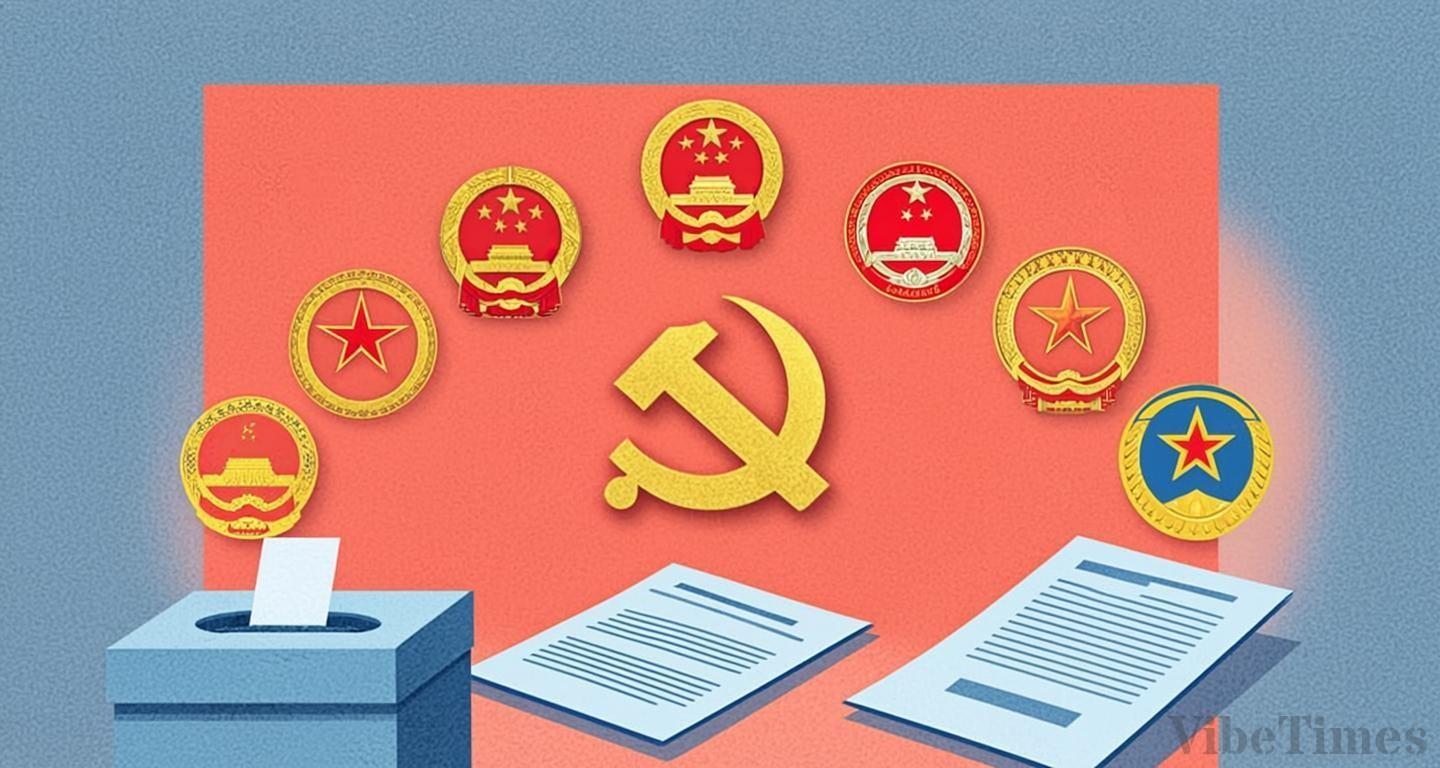
Seven teachers' organizations visited the National Assembly to demand that teachers be guaranteed the right to join political parties.
On Monday, seven education groups — including the Federation of Korean Teachers' Associations, the Teachers' Labor Union Federation, the Korean Teachers and Education Workers' Union, and the Practice Education Teachers' Group — held a press conference at the National Assembly, urging legislation to guarantee teachers' fundamental political rights. In a statement, the groups argued that "teachers are citizens too, and there is no reason they should be excluded from the fundamental political rights guaranteed by the Constitution," calling for Article 8 of the Constitution — the freedom to join political parties — to apply to teachers, who hold civil servant status. The core demand is the revision of relevant laws that prohibit teachers' unions from engaging in political activity.
Why the Issue Has Come to a Head Now
Current law prohibits civil servants from forming or joining political parties. The Educational Public Officials Act and the Private Schools Act contain similar provisions, barring elementary, middle and high school teachers from joining parties. However, a 2021 revision of the Civil Service Act effectively opened the way for public employees to become party members, and demands for the same rights have been raised steadily within teachers' organizations. Legal disputes over restrictions on political activity have also continued since teachers' unions were legalized. In their call for legislation, the groups stated that "political neutrality does not mean bias toward a particular party but rather fairness in the performance of duties; banning party membership is a rights violation separate from guaranteeing neutrality."
Key Issues and Expected Impact
The direct targets of the demands are provisions such as Article 65 of the Educational Public Officials Act and Article 63 of the Private Schools Act, which restrict teachers from joining political parties. The groups asked the National Assembly's Education Committee to introduce a bill deleting these provisions or relaxing them to the level of the Civil Service Act. The impact could extend to some 400,000 elementary, middle and high school teachers nationwide. If teachers are allowed to join political parties, teachers' organizations would gain broader scope for political activity and potentially greater power to push education issues onto the political agenda during general and presidential elections. Conversely, concerns have also been raised about compromising political neutrality in schools.
The Debate
Supporters emphasize equity of rights. They argue that allowing teachers to engage in union activity while barring party membership is an excessive restriction. Critics of the ban also point out that it conflicts with international standards that treat labor rights and fundamental political rights as inseparable. Opponents stress that the classroom must remain a politically neutral space. Parent groups and some conservative teachers' organizations worry that teachers affiliated with a particular party could show bias in teaching or student guidance. The Ministry of Education has so far taken a negative stance on allowing party membership, citing the preservation of civil servant status and political neutrality. Even among lawmakers of both ruling and opposition parties, there are cautious voices about expanding teachers' political activity, making passage in the National Assembly unlikely to be easy.
Legislative Outlook
Even if a related bill is submitted to the Education Committee, it must pass public hearings and review by the subcommittee on bill examination. Given opposition from minority parties and the Ministry of Education's dissent, the bill is expected to take considerable time to reach a plenary vote. The teachers' organizations plan to follow up this appeal with sustained collective action and National Assembly petitions. The debate over teachers' fundamental political rights, intertwined with the controversy over educational neutrality, is expected to determine the pace of legislation.