People Power Party Digs Into Legislative Tasks With Second AI Academy

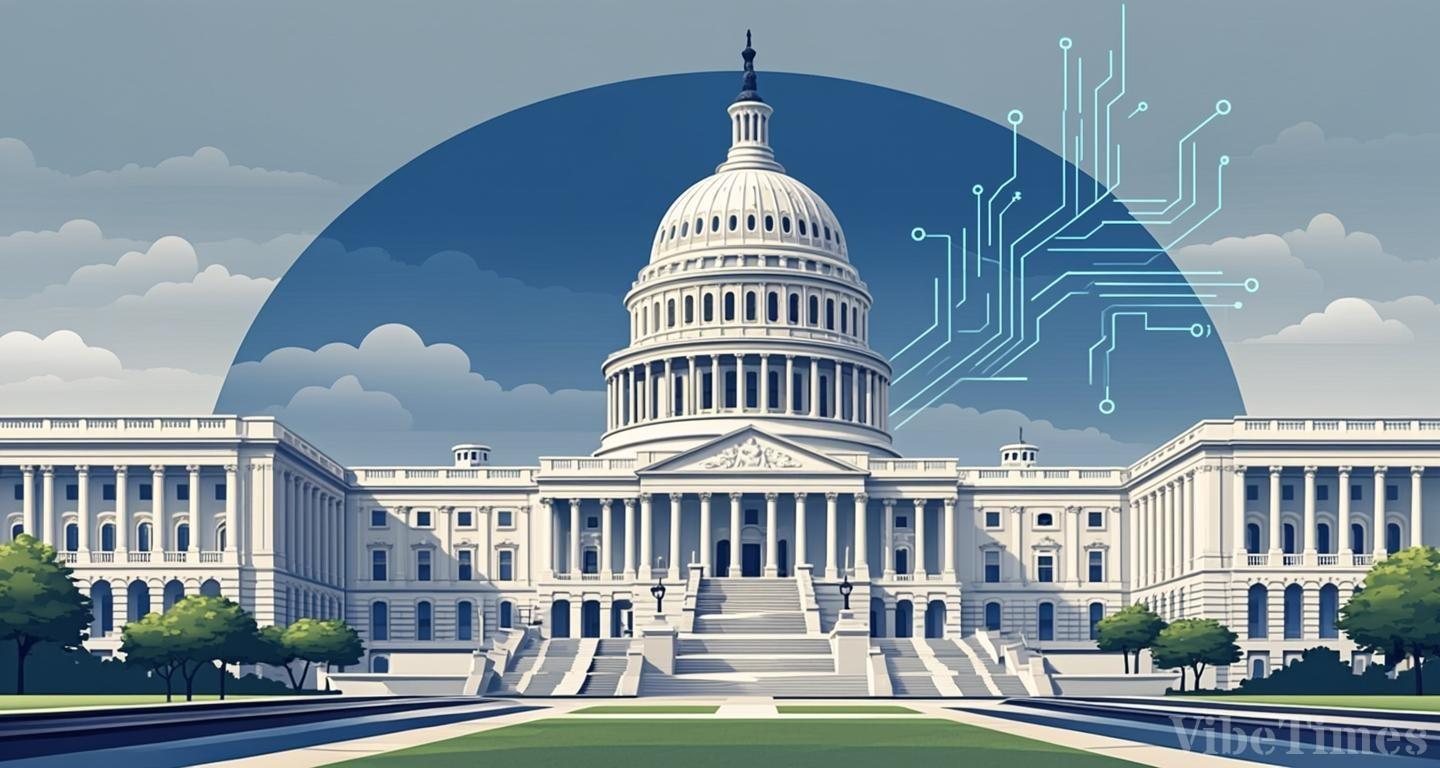
The People Power Party held the second session of its AI Policy Academy, kicking off a full-scale effort to identify policy and legislative tasks for the artificial intelligence era.
Why It Was Held Again
On the 14th, the People Power Party launched a policy discussion to explore social changes driven by AI technology and how the political sphere should respond. While the first academy focused on assessing the current state of AI technology, this event went a step further to address the social changes AI will bring. In other words, the emphasis has shifted from technological assessment to analyzing social impact. This is interpreted as a decision to approach AI not merely as a technology issue but as a legislative task that will transform labor, education, and industrial structures across the board.
Key Content and Approach
The academy reportedly centered its discussions on AI's impact on labor markets and industrial structures, as well as the institutional reforms needed to respond. Tasks derived through expert lectures and discussions are expected to feed into the party's legislative activities in the National Assembly and its policy platform. According to Yonhap News, the People Power Party plans to use these discussions to identify concrete policy and legislative tasks and carry them through to bill sponsorship.
AI legislation remains largely uncharted territory for both ruling and opposition parties. With the spread of generative AI, demands for new regulations—covering copyright infringement, deepfake abuse, and job displacement—are growing rapidly, yet the legal framework to support them has yet to be established. Running an education program at the party level is seen as a strategy to raise individual lawmakers' understanding and improve the quality of legislation.
Political Context and Market Impact
In political circles, AI has already emerged as a real issue in taxation and regulation. Rep. Lee Jun-seok of the Reform Party, for instance, pointed out to the National Tax Service the possibility of violations of the Donations Act in connection with religious groups' offerings, reflecting growing calls across the board for institutional reform in the digital age. The People Power Party's academy can be seen as an attempt to address AI comprehensively within this broader trend.
From an industry perspective, the direction of regulation is critical. Legislation that strikes a balance between fostering the AI industry and minimizing harms would directly affect investment decisions by domestic companies. Conversely, if regulation lags too far behind, side effects such as the spread of deepfake videos will inevitably continue to grow outside institutional bounds. The speed and depth of legislation will ultimately determine market confidence.
The People Power Party is expected to push for related bill sponsorships and policy pledges based on the discussions from this academy. However, considerable time is likely to be needed before concrete bills emerge, as expert input and internal party deliberations must take place first. Legislation could also be delayed if the ruling and opposition parties fail to agree on an AI regulatory framework. Given the pace of AI technological change, critics are expected to call for swift follow-up measures to keep policy relevant.
